Editing Mistakes That Ruin New Authors’ Books
Introduction: Why Editing Matters More Than Writing
Writing a book is a major achievement. Finishing a manuscript often feels like crossing the finish line. However, for many first-time writers, the real work begins after the final chapter is written.
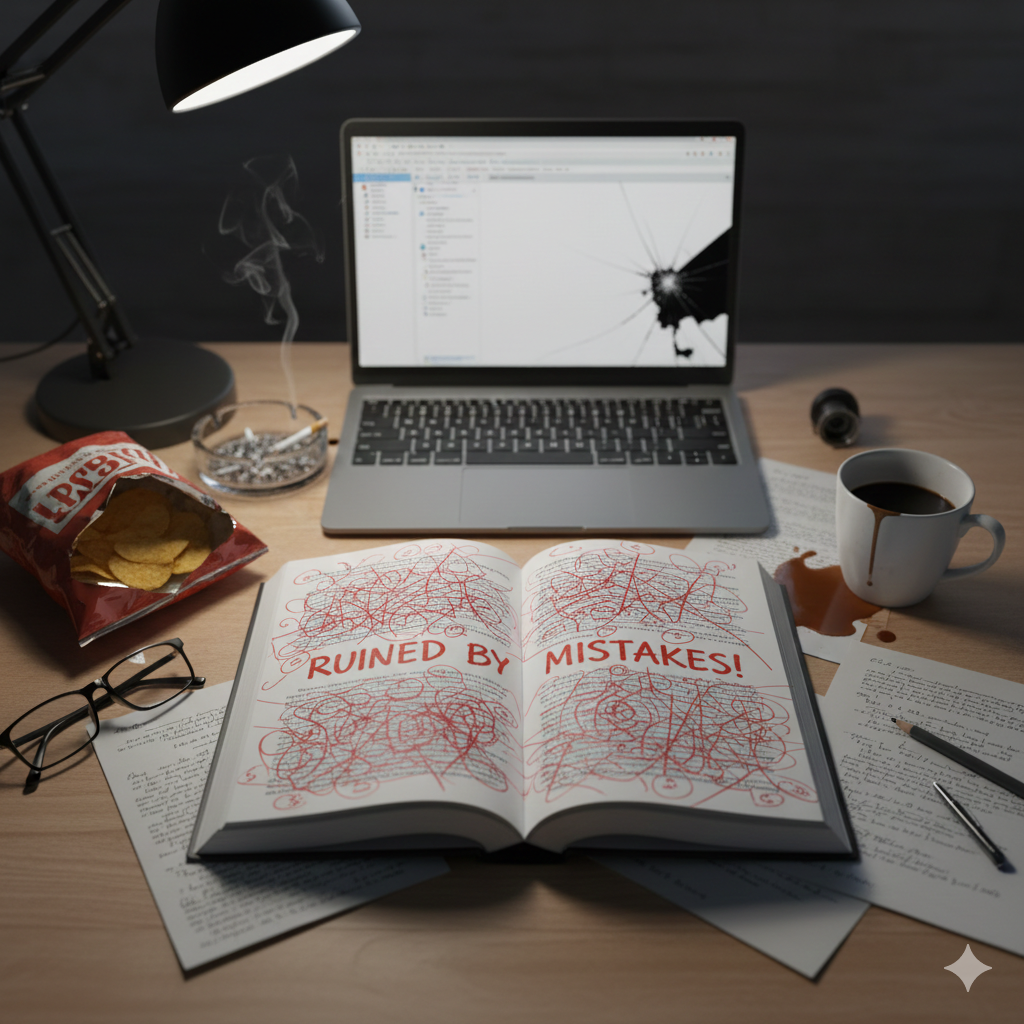
One of the biggest reasons new books fail is not weak ideas or poor storytelling. It is editing mistakes new authors make that quietly destroy the reader’s experience. Even a powerful story can feel amateur if it is poorly edited.
Readers today have endless choices. If a book feels confusing, unpolished, or tiring to read, they will stop—often within the first few pages. Proper editing transforms a rough manuscript into a professional, readable, and credible book.
This guide explains the most damaging editing mistakes new authors make, how to avoid them, and why professional editing can protect your book’s success.
Understanding the Role of Editing in Book Publishing
Editing is not a single step. It is a structured process that improves clarity, flow, accuracy, and consistency.
What Editing Really Does
Good editing helps to:
-
Clarify ideas and arguments
-
Improve sentence flow and readability
-
Remove errors and inconsistencies
-
Strengthen structure and pacing
-
Align the book with reader expectations
Skipping or rushing editing leads to confusion, frustration, and negative reviews.
Types of Editing Every Book Needs
Before exploring mistakes, it is important to understand the basic editing stages:
-
Developmental editing – structure, content, and organization
-
Line editing – sentence flow and clarity
-
Copyediting – grammar, spelling, punctuation
-
Proofreading – final error check
Many editing mistakes new authors make happen because they confuse or ignore these stages.
Step-by-Step Breakdown of Editing Mistakes New Authors Make
1. Skipping Professional Editing Completely
The most damaging mistake is believing self-editing is enough.
Many new authors assume spell-check and grammar tools replace human editors. They do not. These tools cannot judge tone, clarity, logic, or pacing.
Common outcomes of skipping editing:
-
Awkward sentence structures
-
Repetitive ideas
-
Plot holes or unclear arguments
-
Low reader trust
Professional editing is not optional if you want a credible book.
2. Editing Too Soon After Writing
Editing immediately after finishing the manuscript reduces effectiveness.
When authors edit too soon:
-
They overlook obvious errors
-
They read what they meant to write, not what is written
-
They struggle to cut unnecessary content
Best practice is to take a break of at least two to four weeks before editing.
Distance improves objectivity and accuracy.
3. Confusing Editing With Proofreading
One of the most common editing mistakes new authors make is treating proofreading as full editing.
Proofreading only checks surface-level errors. It does not fix:
-
Weak structure
-
Poor flow
-
Unclear ideas
Publishing a book with only proofreading often leads to negative reviews stating the book feels “unfinished” or “confusing.”
4. Overediting and Losing the Author’s Voice
Editing should improve clarity without erasing personality.
New authors sometimes:
-
Rewrite sentences repeatedly
-
Remove natural voice and tone
-
Try to sound overly formal
This results in flat, lifeless writing.
Good editing preserves voice while improving readability.
5. Ignoring Consistency Issues
Consistency errors quietly damage credibility.
Examples include:
-
Changing character names or spellings
-
Switching tense or point of view
-
Inconsistent formatting
-
Varying terminology
These issues distract readers and signal lack of professionalism.
Consistency checks are a critical part of editing.
6. Failing to Edit for the Target Audience
Many editing mistakes new authors make come from forgetting who the book is for.
A book written for:
-
Beginners should avoid complex language
-
Professionals should avoid oversimplification
Editing must align tone, vocabulary, and structure with the intended reader.
Ignoring this leads to confusion and poor engagement.
7. Relying on Beta Readers Instead of Editors
Beta readers are helpful, but they are not editors.
They can:
-
Share opinions
-
Highlight confusion
They cannot:
-
Correct grammar systematically
-
Fix structure professionally
-
Ensure publishing standards
Using beta feedback without professional editing often leaves serious issues unresolved.
8. Not Editing for Clarity and Flow
Clarity matters more than complexity.
Common clarity issues include:
-
Long, confusing sentences
-
Too many ideas in one paragraph
-
Poor transitions between sections
Editing should simplify language, improve flow, and guide readers smoothly from point to point.
9. Cutting Costs by Hiring Unqualified Editors
Budget editing often costs more in the long run.
Unqualified editors may:
-
Miss errors
-
Introduce new mistakes
-
Lack publishing experience
This leads to re-editing expenses and damaged reputation.
Quality editing is an investment, not an expense.
10. Skipping the Final Proofread
Even well-edited books need a final proofread.
Skipping this step results in:
-
Typos
-
Formatting errors
-
Missed punctuation mistakes
Readers notice these details, especially in digital books.
A final proofread is essential before publishing.
Benefits of Avoiding Editing Mistakes New Authors Make
Proper editing dramatically improves book performance.
Key Benefits
-
Strong first impressions
-
Higher reader trust
-
Better reviews and ratings
-
Increased word-of-mouth marketing
-
Professional brand image
Well-edited books are more likely to succeed long-term.
Best Practices for Effective Book Editing
Follow a Structured Editing Process
-
Finish the manuscript
-
Take a break
-
Edit in stages
-
Use professional services
-
Proofread before publishing
Edit With Clear Goals
Each editing round should focus on one purpose:
-
Structure
-
Language
-
Accuracy
This prevents overwhelm and mistakes.
Accept Constructive Feedback
Editing improves the book, not the author.
Being open to feedback leads to stronger writing and better results.
Common Editing Mistakes to Avoid at All Costs
-
Publishing without professional editing
-
Editing everything at once
-
Ignoring reader experience
-
Prioritizing speed over quality
-
Assuming readers will “forgive” mistakes
Readers rarely forgive poor editing.
Why New Authors Should Choose Professional Editing Services
Professional editing offers more than error correction.
What a Professional Editing Company Provides
-
Industry-standard editing processes
-
Experienced editors by genre
-
Objective feedback
-
Consistency and quality control
-
Publishing-ready manuscripts
For new authors, professional editing reduces risk and increases confidence.
How Professional Editing Protects Your Author Brand
Your first book shapes how readers see you.
Poor editing damages:
-
Credibility
-
Trust
-
Future sales
Professional editing helps establish you as a serious author from the start.
Final Thoughts: Editing Is the Difference Between Amateur and Professional
Writing a book is an accomplishment. Publishing a polished book is a responsibility.
Most failed books do not fail because of bad ideas. They fail because of editing mistakes new authors make that turn readers away.
Editing is not about perfection. It is about clarity, trust, and respect for the reader.
If you want your book to stand out, connect with readers, and succeed in the market, invest in proper editing. It is the bridge between a good manuscript and a great published book.