Is Self Publishing Worth It in 2026? Honest Answer
Introduction: The Big Question Authors Are Asking
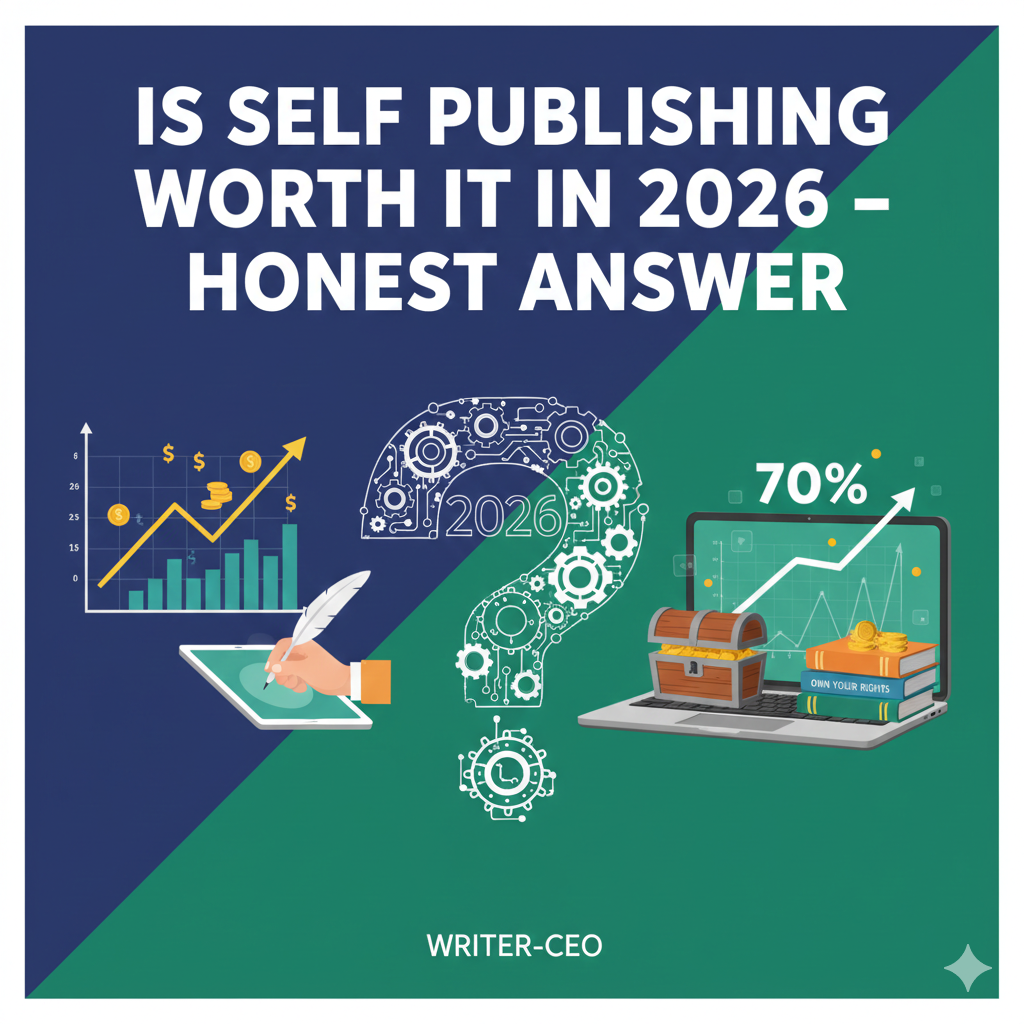
Is self publishing worth it in 2026? This is one of the most important questions modern authors are asking before releasing their books. With rapid changes in technology, reader behavior, and digital platforms, the publishing world looks very different today than it did even five years ago.
Many writers feel stuck between traditional publishing’s long timelines and self publishing’s uncertainty. They want freedom, but they also want income, credibility, and long-term success.
This guide provides a clear, honest, and practical answer. You will learn how self publishing works in 2026, what it truly costs, how much authors can earn, and whether this path is right for you.
What Self Publishing Means in 2026
Self publishing in 2026 is no longer a side option or last resort. It is a structured, competitive, and professional industry.
Authors now control:
-
Their book rights
-
Pricing and royalties
-
Marketing strategies
-
Publishing timelines
Instead of waiting years for approval, writers can publish globally within weeks.
However, control also brings responsibility. Success depends on planning, quality, and smart execution.
How Self Publishing Works Step by Step
Understanding the process helps answer whether self publishing is worth it in 2026.
Step 1: Writing and Editing the Manuscript
A well-written book is the foundation. In 2026, readers expect:
-
Clear structure
-
Professional language
-
Error-free content
Most successful authors invest in professional editing instead of relying only on self-editing.
Step 2: Book Formatting and Design
Formatting is no longer optional. Readers judge books instantly.
Key elements include:
-
Professional interior layout
-
Eye-catching cover design
-
Mobile and e-reader compatibility
Poor formatting leads to bad reviews, regardless of content quality.
Step 3: ISBN, Copyright, and Publishing Setup
Authors must decide whether to:
-
Use free platform ISBNs
-
Buy their own ISBN for full ownership
Owning your ISBN increases credibility and distribution options.
Step 4: Distribution Across Platforms
In 2026, books are published across:
-
Online bookstores
-
Print-on-demand services
-
Audiobook platforms
Wide distribution increases discoverability and income potential.
Step 5: Marketing and Promotion
Publishing is only half the work. Marketing determines visibility.
Common strategies include:
-
Author websites
-
Email marketing
-
Social media promotions
-
Paid ads
Without marketing, even good books fail.
Is Self Publishing Worth It Financially in 2026?
This is the most common concern.
Cost Breakdown
Typical self publishing costs include:
-
Editing
-
Cover design
-
Formatting
-
Marketing
The investment varies widely depending on quality and goals.
Earning Potential
Self published authors earn higher royalties compared to traditional publishing.
Benefits include:
-
Royalties often between 60–70%
-
Full control over pricing
-
Income from multiple formats
While not every book becomes profitable, many authors earn steady long-term income from multiple titles.
Benefits of Self Publishing in 2026
To decide if self publishing is worth it in 2026, consider its key advantages.
Creative Freedom
Authors decide:
-
Book content
-
Genre choices
-
Cover design
-
Release schedule
There is no pressure to change your message to fit market trends.
Faster Publishing Timeline
Traditional publishing can take years. Self publishing can take weeks.
This speed allows authors to:
-
Respond to trends
-
Publish series faster
-
Build audience momentum
Higher Royalty Rates
Traditional authors often earn 5–15%. Self publishers earn significantly more per sale.
Over time, this difference becomes substantial.
Global Reach
Books can reach readers worldwide instantly, without geographical limits.
Long-Term Asset Creation
A self published book remains available as long as you want. It continues generating income years after release.
Challenges Authors Face in Self Publishing
While self publishing is powerful, it is not easy.
Upfront Investment
Quality publishing requires money. Cutting costs often reduces book credibility.
Marketing Responsibility
There is no built-in promotion. Authors must learn marketing or hire experts.
Competition
Thousands of books are published daily. Standing out requires strategy.
Lack of Industry Guidance
Without professional help, authors often feel overwhelmed and confused.
Common Self Publishing Mistakes to Avoid
Many authors fail not because self publishing is bad, but because of avoidable mistakes.
Skipping Professional Editing
This leads to:
-
Poor reviews
-
Low credibility
-
Reduced sales
Using Low-Quality Covers
Readers judge books by covers. A weak design kills interest instantly.
Ignoring Marketing
Publishing without promotion is like opening a store without a sign.
Unrealistic Expectations
Success takes time. Expecting instant fame leads to frustration.
Doing Everything Alone
Trying to manage writing, design, publishing, and marketing alone often leads to burnout.
Best Practices for Successful Self Publishing
To make self publishing worth it in 2026, follow proven practices.
Focus on Quality First
Invest in:
-
Editing
-
Design
-
Formatting
Quality builds trust and repeat readers.
Build an Author Brand
Readers follow authors, not just books.
Brand elements include:
-
Consistent messaging
-
Professional author presence
-
Clear niche
Publish More Than One Book
Most successful authors earn from multiple titles.
A catalog increases:
-
Visibility
-
Income stability
-
Reader loyalty
Track Performance and Improve
Analyze:
-
Sales data
-
Reader feedback
-
Marketing results
Continuous improvement leads to long-term success.
Why Choose a Professional Self Publishing Company
Many authors ask if hiring a professional service is worth it.
Expert Guidance
Professionals handle:
-
Editing
-
Design
-
Publishing setup
-
Distribution
This prevents costly mistakes.
Time Efficiency
Authors focus on writing while experts manage technical tasks.
Higher Market Credibility
Professionally published books perform better in competitive markets.
Strategic Marketing Support
Experienced teams understand:
-
Book positioning
-
Pricing strategies
-
Launch planning
For serious authors, professional support often delivers better results than DIY publishing.
Is Self Publishing Worth It for New Authors?
For beginners, self publishing is often the best starting point.
Reasons include:
-
No rejection barriers
-
Faster learning curve
-
Direct reader feedback
-
Full ownership from day one
With proper planning, new authors can build successful careers independently.
Is Self Publishing Worth It Compared to Traditional Publishing?
In 2026, many authors prefer self publishing because it offers:
-
More control
-
Faster timelines
-
Higher earnings
-
Direct audience connection
Traditional publishing still works for some, but it is no longer the only path to success.
Future of Self Publishing Beyond 2026
The industry continues to evolve.
Expected trends include:
-
Increased demand for audiobooks
-
Stronger author branding
-
Data-driven publishing decisions
-
Greater use of professional services
Self publishing is becoming more structured and business-oriented.
Final Thoughts: Is Self Publishing Worth It in 2026?
So, is self publishing worth it in 2026? The honest answer is yes—for authors who treat it seriously.
It is not a shortcut to fame or easy money. It is a business that rewards:
-
Quality
-
Consistency
-
Strategic planning
Authors who invest wisely, learn continuously, and seek professional support can build profitable, long-term publishing careers.
Self publishing in 2026 is not just worth it—it is one of the most powerful opportunities authors have today.