Book Cover Design Guide: Publish and Market in 2026
Introduction
Many great books struggle to succeed for one simple reason: the cover fails to attract readers.
A potential reader often decides whether to explore a book in just a few seconds. If the cover does not capture attention or communicate the book’s value clearly, the opportunity is lost.
This is where Book Cover Design becomes a critical part of the publishing process.
A strong cover does more than look attractive. It signals genre, builds credibility, attracts the right audience, and supports marketing efforts across bookstores, online platforms, and social media.
In 2026, where thousands of new books appear daily on digital marketplaces, authors must treat cover design as a strategic marketing tool rather than a final decoration.
This guide explains how to plan, create, and use effective book cover design to successfully publish and market your book.
Why Book Cover Design Matters in 2026
The publishing industry has become highly competitive. Readers are exposed to endless options across online stores, social media platforms, and digital advertisements.
A well-designed cover provides several advantages:
1. First Impression
Your cover is often the first thing readers notice. It instantly shapes their expectations about the quality and genre of the book.
2. Genre Recognition
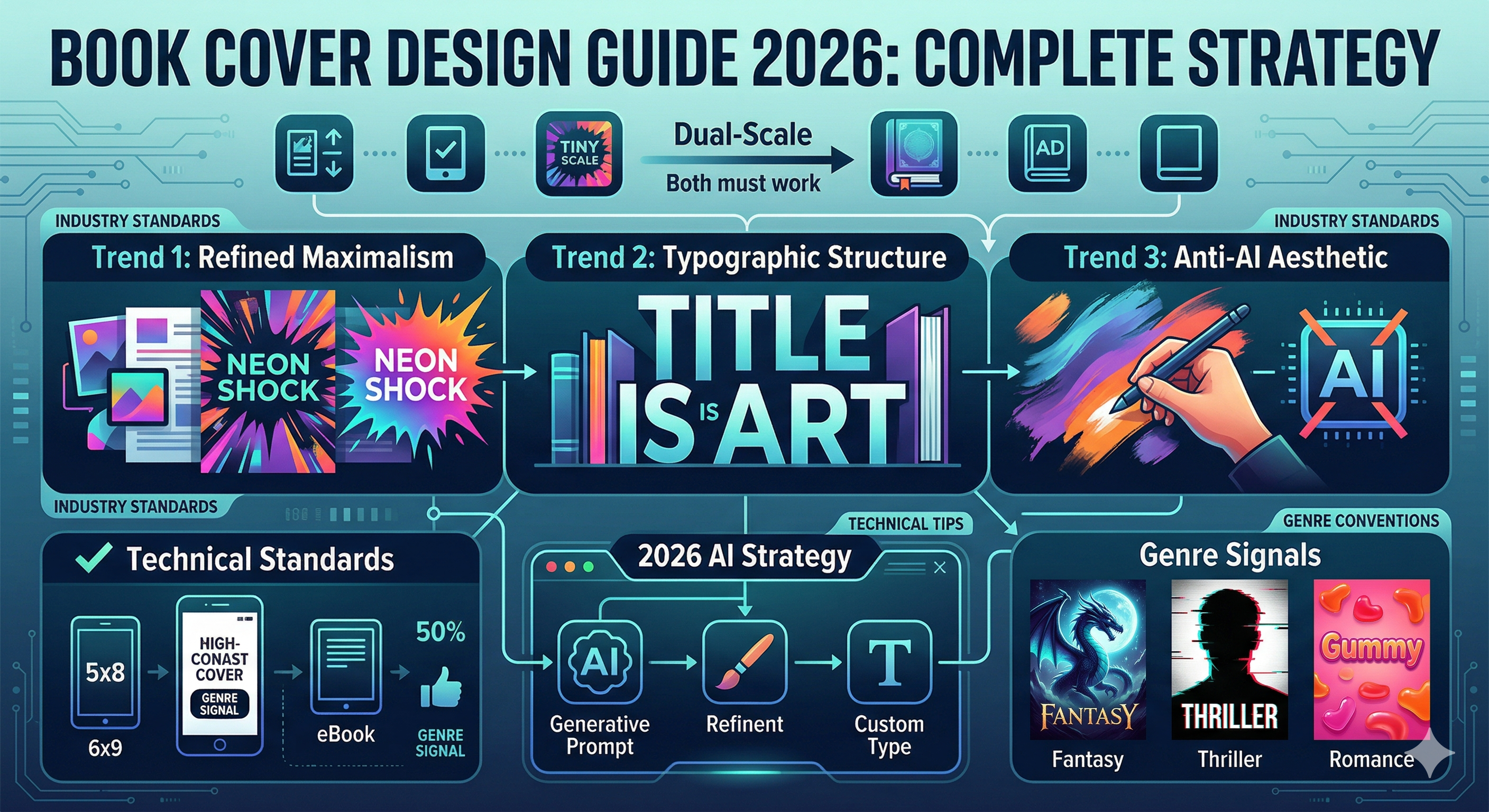
Professional covers help readers quickly identify the book category. For example:
-
Thriller books often feature dark tones and bold typography
-
Romance novels typically use warm colors and emotional imagery
-
Business books rely on clean, minimal design
Matching genre expectations improves discoverability.
3. Marketing Impact
Your book cover will appear across many marketing channels:
-
Online bookstores
-
Social media ads
-
Author websites
-
Email campaigns
-
Promotional graphics
A strong design ensures your book stands out even as a small thumbnail image.
4. Author Credibility
A professional cover signals that the author takes the work seriously. Readers are more likely to trust and purchase books that appear professionally produced.
Step-by-Step Strategy for Effective Book Cover Design
Creating a strong cover requires planning and strategy. Follow these steps to ensure your design supports both publishing and marketing goals.
Step 1: Understand Your Target Audience
Before designing anything, identify who the book is for.
Ask questions such as:
-
What age group will read this book?
-
What genre does the book belong to?
-
What emotional tone does the story or message carry?
For example:
-
Young adult fiction often uses vibrant colors and modern typography
-
Nonfiction business books rely on clean layouts and bold titles
-
Fantasy novels typically include illustrated elements
Understanding the reader helps guide every design decision.
Step 2: Research Successful Covers in Your Genre
Studying successful books provides valuable insights.
Look at the top titles in your category and observe patterns such as:
-
Color palettes
-
Font styles
-
Image types
-
Layout structure
You will often notice that bestselling books follow recognizable design trends. This does not mean copying them, but it helps align your cover with reader expectations.
Consistency within a genre makes it easier for readers to find books they enjoy.
Step 3: Focus on a Clear Visual Concept
Every effective Book Cover Design starts with a strong concept.
Your concept should communicate the core message of the book in a simple and memorable way.
Examples include:
-
A symbolic object representing the story theme
-
A character or scene from the narrative
-
A powerful typographic design
-
A minimalist visual metaphor
Avoid clutter. Simplicity often creates stronger visual impact.
Readers should understand the tone and subject of the book within seconds.
Step 4: Choose the Right Typography
Typography is one of the most important elements of book cover design.
Your title must be clear, readable, and visually balanced with the other design elements.
Best practices include:
-
Use bold fonts for the title to improve visibility
-
Choose fonts that match the genre style
-
Maintain spacing for readability
-
Limit the number of fonts used
Many professional designers use one main font for the title and another for supporting text such as subtitles or author names.
Strong typography ensures the cover remains readable even in small digital thumbnails.
Step 5: Select Colors Strategically
Color psychology plays a major role in attracting readers.
Different colors communicate different emotions.
Examples include:
-
Red: excitement, passion, urgency
-
Blue: trust, professionalism, calm
-
Black: mystery, power, sophistication
-
Yellow: optimism and energy
When selecting colors:
-
Keep the palette limited
-
Ensure contrast between text and background
-
Align colors with the genre and tone
Consistency in color helps create a memorable visual identity.
Step 6: Use High-Quality Images or Illustrations
Images can dramatically improve the appeal of a book cover.
However, poor-quality visuals can damage the book’s credibility.
When choosing images:
-
Use high-resolution graphics
-
Avoid generic stock photos
-
Ensure the image matches the story theme
-
Maintain balance between visuals and text
Illustrated covers have also become increasingly popular, especially for fiction, fantasy, and young adult categories.
Professional illustration can help books stand out in crowded marketplaces.
Step 7: Design for Digital and Print Formats
In 2026, books exist across multiple formats:
-
Paperback
-
Hardcover
-
Ebook
-
Audiobook
Each format requires slightly different design considerations.
Important factors include:
-
Spine design for printed books
-
Back cover layout for marketing text
-
Thumbnail readability for online platforms
Ebook marketplaces often display covers in very small sizes. This means titles must remain readable even when scaled down.
Testing your cover at thumbnail size is a useful step before finalizing the design.
Benefits of Strong Book Cover Design
Investing in high-quality design delivers long-term benefits for authors and publishers.
Increased Sales Potential
Attractive covers improve click-through rates on digital marketplaces. More clicks often translate into higher book sales.
Stronger Brand Identity
Authors who publish multiple books benefit from consistent visual branding.
Readers begin to recognize the author's style across different titles.
Better Marketing Performance
Professional covers perform better in promotional materials such as:
-
Online advertisements
-
Social media graphics
-
book launch campaigns
Strong visuals help marketing campaigns appear more professional.
Long-Term Value
Unlike temporary marketing strategies, a good cover continues to promote the book for years.
It becomes a permanent part of the book’s identity.
Best Practices for Book Cover Design
To achieve the best results, authors should follow proven design principles.
Keep the Design Simple
Overly complex covers can confuse readers.
Focus on:
-
One central visual idea
-
Clear typography
-
Balanced composition
Prioritize Readability
The title should always be easy to read.
Avoid:
-
Decorative fonts that are difficult to understand
-
Poor color contrast
-
Text placed over busy backgrounds
Maintain Visual Hierarchy
Good design guides the reader's eye.
Typically the hierarchy follows this order:
-
Book title
-
Subtitle or tagline
-
Author name
This structure helps readers quickly understand the book’s content.
Test Before Finalizing
Before publishing, gather feedback from:
-
Beta readers
-
Author communities
-
Publishing professionals
Fresh perspectives can identify design issues you may have overlooked.
Common Book Cover Design Mistakes to Avoid
Many authors unintentionally weaken their book’s success by making common design errors.
Overcrowded Covers
Too many images, fonts, or colors can make the cover look unprofessional.
Minimalism often works better.
Poor Typography Choices
Using decorative fonts that are difficult to read is a frequent mistake.
Typography must prioritize clarity.
Ignoring Genre Expectations
A cover that does not match the genre confuses readers.
For example, a romance novel with a dark horror-style cover may attract the wrong audience.
Low-Quality Images
Blurry or pixelated visuals immediately reduce credibility.
Professional-quality images are essential.
Designing Without Marketing in Mind
Some covers look good in large print but fail as small thumbnails online.
Design should always consider digital marketing environments.
Why Authors Should Consider Professional Cover Design
While some authors attempt to design their own covers, professional services often produce better results.
Professional designers bring experience in both visual design and publishing industry trends.
Expertise in Genre Standards
Professional designers understand what works in different book categories.
They know how to create covers that appeal to specific reader groups.
Access to Professional Tools
Designers use advanced software and professional resources such as:
-
Licensed image libraries
-
Typography collections
-
Illustration services
These tools improve the final quality of the design.
Marketing-Oriented Design
Experienced designers create covers that support marketing campaigns.
They ensure the design performs well across digital platforms and promotional materials.
Time Efficiency
Designing a cover requires research, revisions, and testing.
Working with professionals allows authors to focus on writing and promotion instead.
How Book Cover Design Supports Book Marketing
Effective Book Cover Design is closely connected to marketing success.
A strong cover can be used across many promotional channels.
Examples include:
-
Social media promotions
-
Author websites
-
Online bookstore listings
-
Email newsletters
-
Book launch announcements
Visually appealing covers are more likely to be shared online, increasing organic exposure.
In addition, advertising campaigns perform better when paired with strong visuals.
Readers are naturally drawn to compelling graphics, which makes cover design one of the most powerful marketing assets for any book.
Future Trends in Book Cover Design
Publishing trends continue to evolve each year. Some key design trends expected to remain strong in 2026 include:
Bold Typography Covers
Large title-focused designs are becoming increasingly popular.
They improve readability and brand recognition.
Minimalist Design
Clean, simple covers often stand out more effectively than busy designs.
Illustrated Covers
Hand-drawn or digitally illustrated covers are especially popular in fiction and young adult genres.
Strong Color Contrast
High-contrast color schemes help covers stand out in digital marketplaces.
Understanding these trends helps authors remain competitive in a crowded publishing environment.