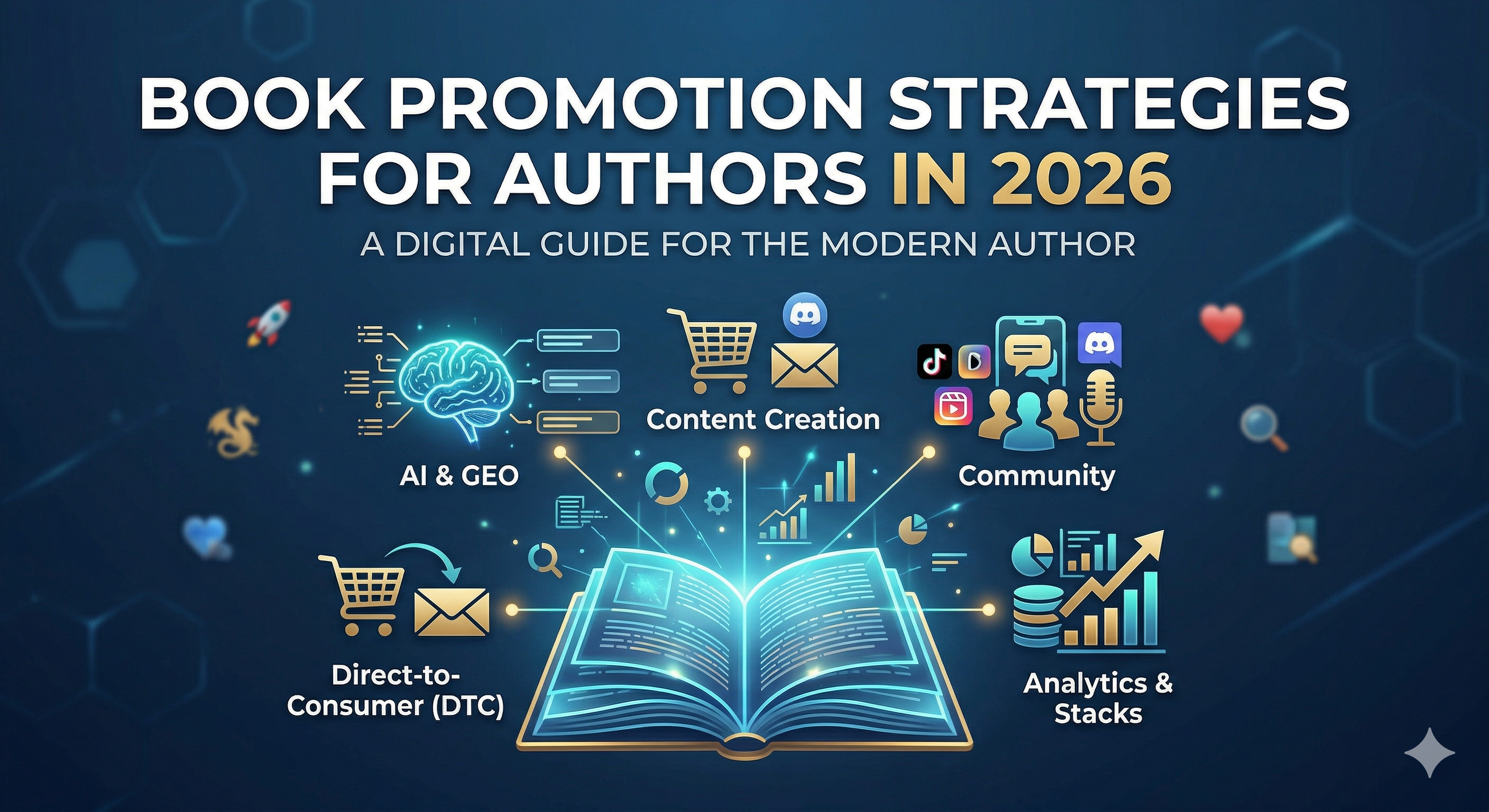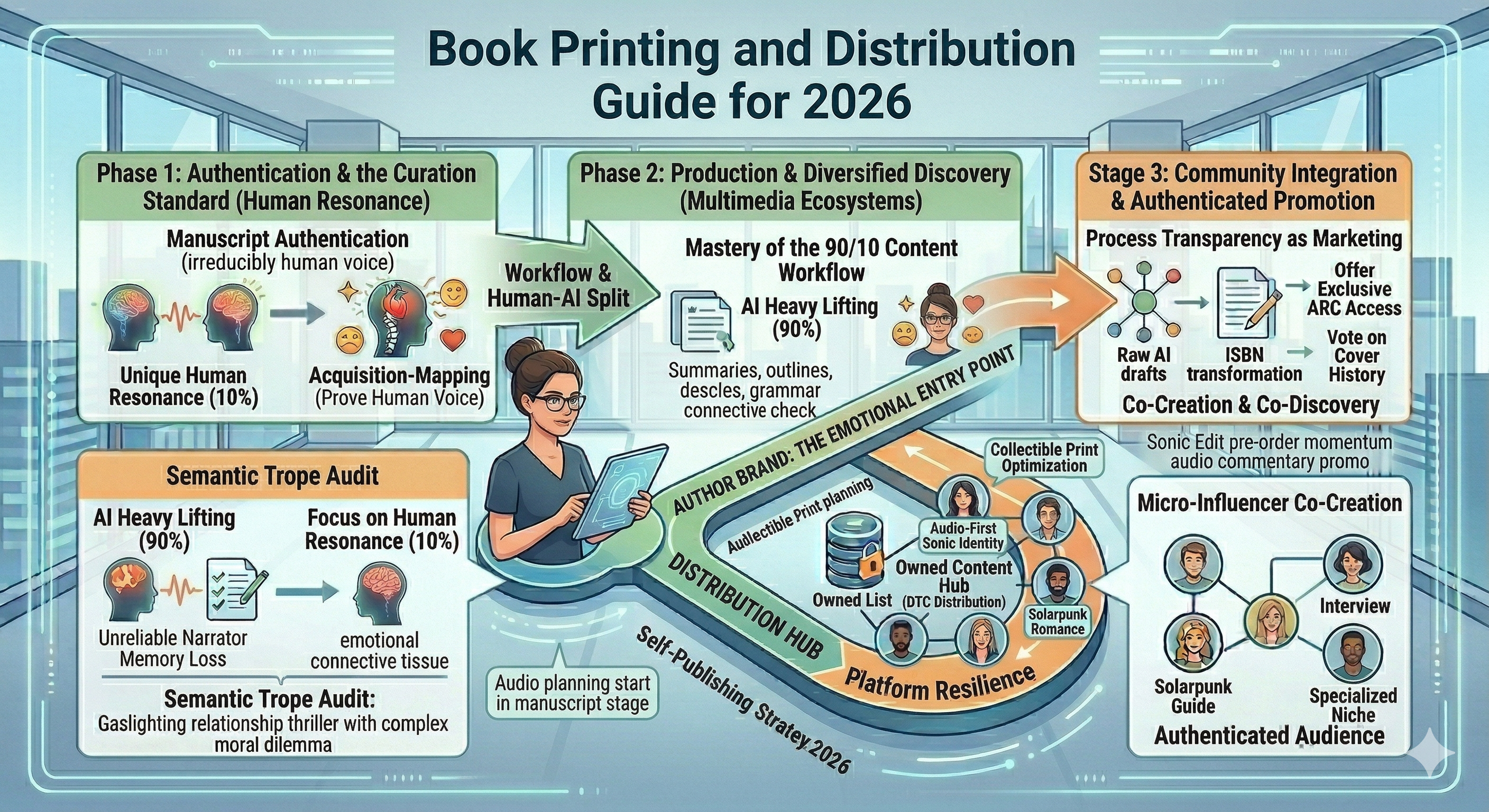
Book Promotion Strategies Guide 102: Complete Strategy to Successfully Publish and Market Your Book in 2026
Introduction: Why Most Books Fail — and How to Prevent It
Publishing a book is exciting. However, many authors face the same problem after launch: low sales, limited visibility, and poor reader engagement.
The truth is simple. Writing a great book is only half the journey. Without strong book promotion strategies, even the best story can remain unnoticed.
In 2026, the publishing world is more competitive than ever. Thousands of new books are released every day across online platforms and physical stores. Therefore, authors need a clear, structured marketing plan.
This guide provides a complete, step-by-step strategy to help you successfully publish and promote your book. Whether you are self-publishing or working with a traditional publisher, these proven methods will help you build visibility, credibility, and consistent sales.
Step 1: Build a Strong Foundation Before Publishing
Successful book promotion strategies begin long before your book launch.
Define Your Target Audience
You cannot market to everyone. Instead, identify:
-
Age group
-
Interests
-
Reading habits
-
Preferred platforms
-
Problems your book solves
When you clearly understand your readers, your marketing becomes focused and effective.
Create a Professional Author Brand
Your brand builds trust. Readers are more likely to buy from authors who appear consistent and credible.
Focus on:
-
A professional author photo
-
A clear author bio
-
A defined niche
-
Consistent messaging
-
A strong online presence
Branding is not just design. It is how readers remember you.
Build an Email List Early
Email marketing remains one of the most powerful book promotion strategies in 2026.
Start collecting emails months before launch by offering:
-
Free sample chapters
-
Bonus content
-
A reader checklist
-
Exclusive updates
Your email list becomes your direct line to readers — without relying only on social media algorithms.
Step 2: Optimize Your Book for Online Discovery
Visibility is critical. Therefore, your book must be optimized for search engines and marketplace platforms.
Keyword Research for Book Listings
Choose keywords readers actually search for.
Use them naturally in:
-
Book title (if possible)
-
Subtitle
-
Book description
-
Backend keywords
-
Author website pages
Strong keyword optimization improves ranking on online marketplaces and search engines.
Write a High-Converting Book Description
Your description should:
-
Hook readers in the first 2–3 lines
-
Highlight benefits, not just features
-
Address reader pain points
-
End with a clear call to action
Think of it as your sales pitch.
Choose Categories Wisely
Selecting the right categories improves ranking chances.
Instead of broad categories, choose niche ones where competition is lower but relevant.
This strategy increases visibility and helps you earn bestseller tags more easily.
Step 3: Pre-Launch Book Promotion Strategies
Promotion should begin at least 60–90 days before release.
Create Buzz Before Release
Generate anticipation by:
-
Sharing cover reveals
-
Posting countdown updates
-
Publishing teaser content
-
Hosting giveaways
Excitement builds curiosity. Curiosity drives sales.
Build an Advance Review Team
Reviews influence buying decisions. Therefore:
-
Send advance copies to early readers
-
Encourage honest feedback
-
Provide clear review guidelines
Aim to have multiple reviews ready on launch day.
Use Social Media Strategically
Do not post randomly. Instead:
-
Share educational content
-
Discuss your writing journey
-
Post reader testimonials
-
Use relevant hashtags
Consistency matters more than frequency.
Step 4: Execute a Powerful Launch Strategy
Launch week sets the tone for long-term sales.
Offer a Limited-Time Promotion
Consider:
-
Discounted launch pricing
-
Bundle offers
-
Exclusive bonuses
-
Free companion resources
Limited-time offers create urgency.
Leverage Multiple Channels Simultaneously
Combine:
-
Email marketing
-
Social media posts
-
Paid ads
-
Influencer partnerships
-
Author interviews
Coordinated promotion increases impact.
Host Virtual Events
In 2026, virtual launches remain effective.
You can organize:
-
Live Q&A sessions
-
Webinar discussions
-
Instagram or Facebook Live sessions
-
Online book readings
Events strengthen connection and trust.
Step 5: Long-Term Book Marketing Strategy
Many authors stop promoting after launch. That is a mistake.
Book promotion strategies should continue for months or even years.
Run Targeted Advertising Campaigns
Paid ads can accelerate growth when used correctly.
Focus on:
-
Clear audience targeting
-
Strong ad copy
-
Compelling visuals
-
Regular performance tracking
Start small, test, and scale gradually.
Collaborate with Other Authors
Cross-promotion expands reach.
You can:
-
Host joint giveaways
-
Share newsletter features
-
Bundle books in the same genre
-
Appear on each other’s podcasts
Collaboration builds community and credibility.
Repurpose Content
Maximize every piece of content.
For example:
-
Turn blog posts into social media threads
-
Convert interviews into short videos
-
Transform reader questions into FAQ content
Repurposing saves time and increases exposure.
Benefits of Strong Book Promotion Strategies
When done correctly, strategic promotion delivers long-term advantages.
Increased Book Sales
Targeted marketing brings the right readers to your book.
Stronger Author Brand
Consistent visibility builds authority in your niche.
Higher Reader Engagement
Active promotion creates conversation, feedback, and loyalty.
More Publishing Opportunities
Successful marketing attracts:
-
Literary agents
-
Media invitations
-
Speaking opportunities
-
Collaboration requests
Promotion does not just sell books. It builds a career.
Best Practices for Book Promotion in 2026
The publishing industry continues to evolve. Therefore, modern strategies must adapt.
Focus on Value-Driven Content
Readers respond to useful information. Share insights related to your book’s theme.
Prioritize Short-Form Video
Short video content continues to grow in popularity. Use it for:
-
Book summaries
-
Behind-the-scenes writing moments
-
Quick reader tips
Build a Community, Not Just an Audience
Engage with comments. Reply to messages. Ask questions.
Community creates long-term loyalty.
Track and Analyze Performance
Measure:
-
Email open rates
-
Ad conversion rates
-
Website traffic
-
Sales trends
Data-driven decisions improve results over time.
Common Book Promotion Mistakes to Avoid
Even talented authors make avoidable errors.
Waiting Until Launch Day to Promote
Promotion should begin months in advance.
Ignoring Professional Editing and Cover Design
Poor quality presentation reduces marketing impact.
Overposting Without Strategy
Posting frequently without purpose wastes effort.
Relying Only on One Platform
Diversify your marketing channels to reduce risk.
Expecting Immediate Results
Book marketing requires patience and consistency.
Avoiding these mistakes can dramatically improve your success rate.
Why Choose a Professional Publishing and Marketing Company
While many authors try to manage everything alone, professional guidance can save time and prevent costly mistakes.
A reputable publishing and marketing company offers:
-
Market research expertise
-
Keyword optimization
-
Professional cover design
-
Strategic launch planning
-
Advertising management
-
Ongoing promotional support
Most importantly, professionals understand industry trends and reader behavior.
Working with experts allows you to focus on writing while they handle strategy and execution.
In a competitive 2026 publishing landscape, professional support can significantly increase your chances of success.
Complete Book Promotion Strategy Checklist for 2026
To summarize, here is a practical roadmap:
Before Publishing
-
Define target audience
-
Build author brand
-
Create website and email list
-
Research keywords
-
Develop content plan
Pre-Launch
-
Recruit advance reviewers
-
Reveal cover strategically
-
Schedule promotional posts
-
Prepare launch emails
Launch Week
-
Offer limited-time discounts
-
Run coordinated promotions
-
Host virtual events
-
Encourage reviews
Post-Launch
-
Run targeted ads
-
Collaborate with authors
-
Repurpose content
-
Track and optimize performance
Consistency across all stages ensures steady growth.