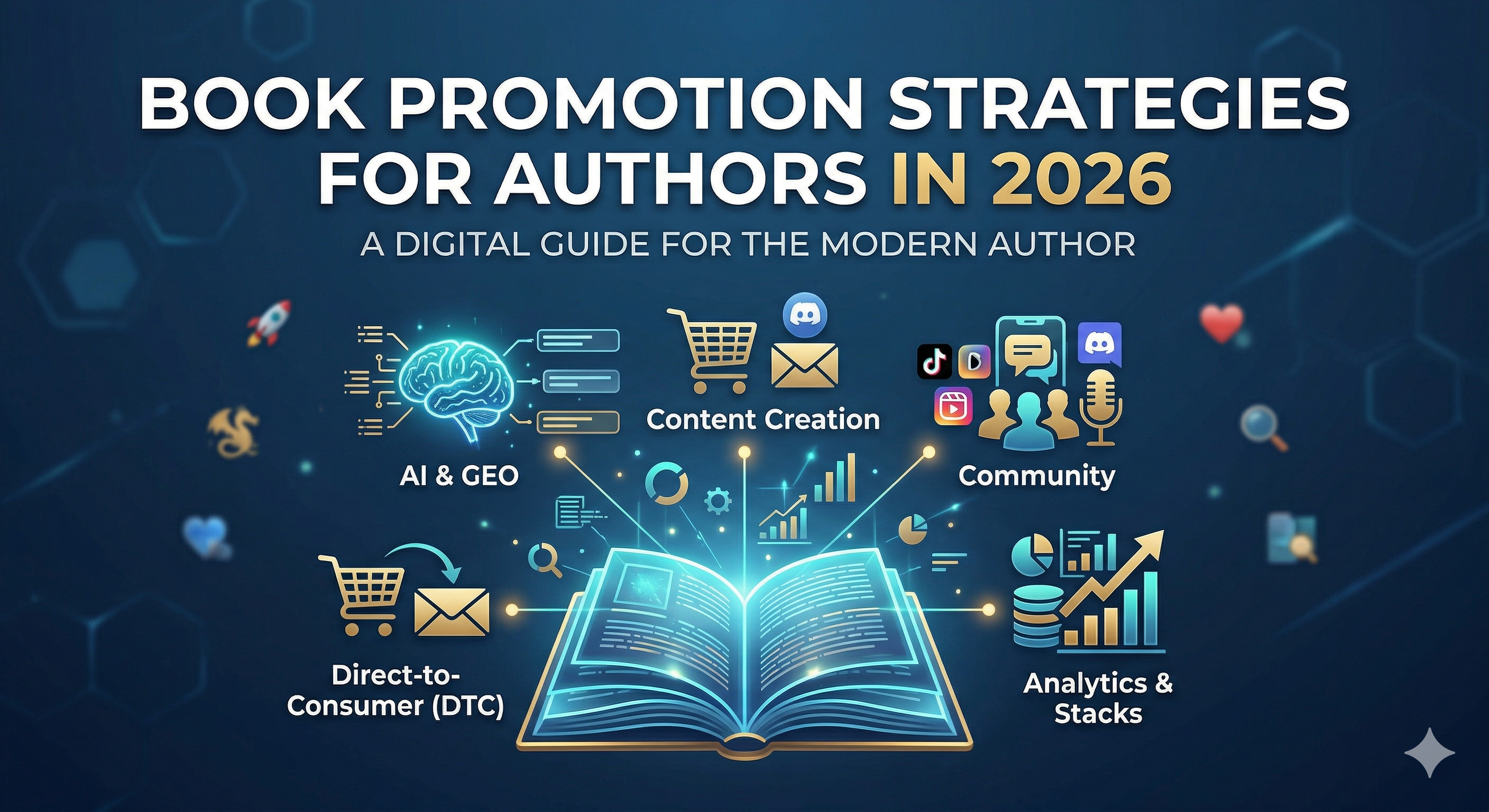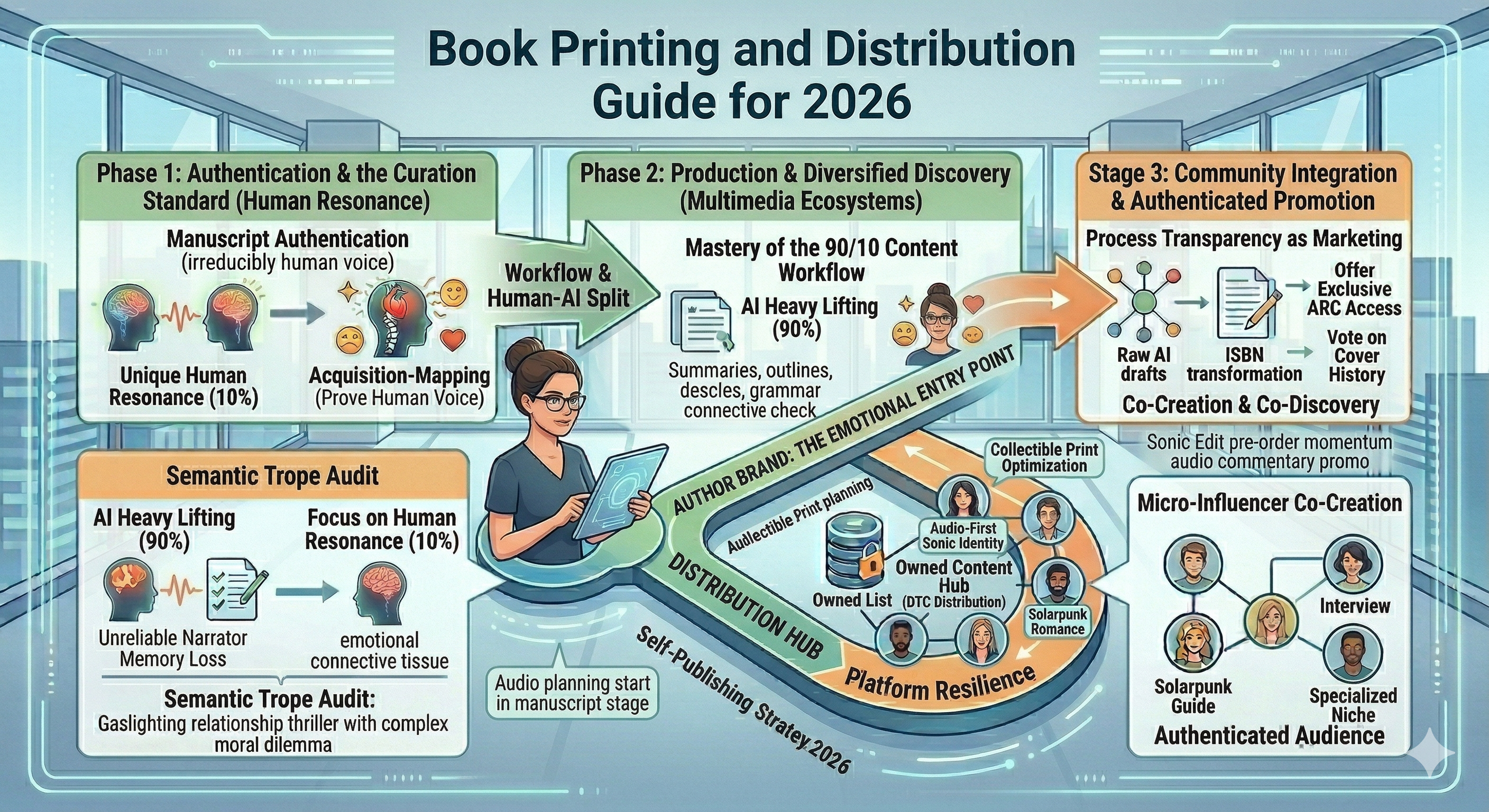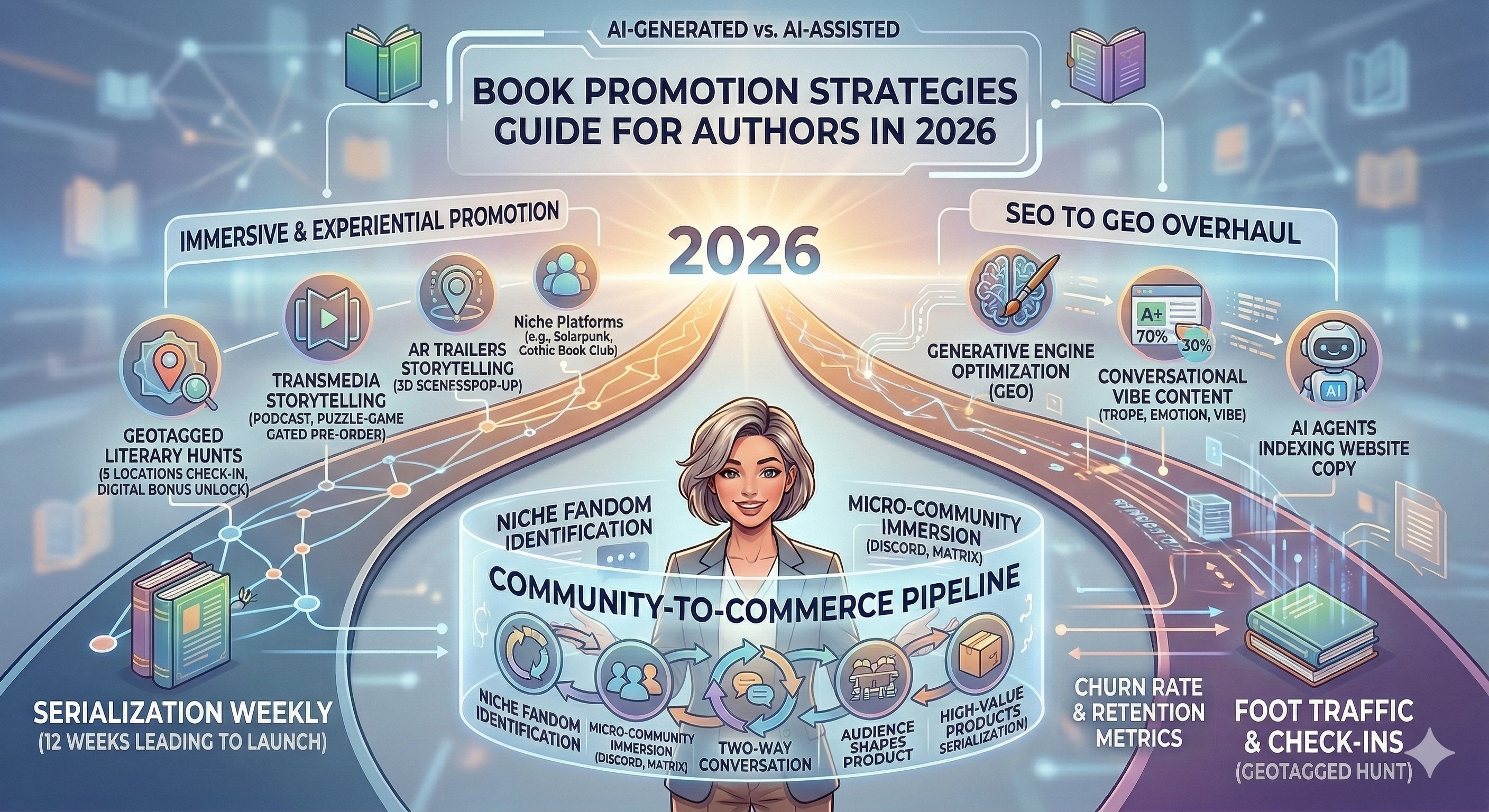
Book Promotion Strategies Guide 132: Complete Strategy to Successfully Publish and Market Your Book in 2026
Introduction: Why Book Promotion Matters More Than Ever
Publishing a book is a major accomplishment. However, many authors quickly discover that writing the book is only half the journey. The real challenge begins after publication—getting readers to notice and buy the book.
Thousands of new books are released every day across online marketplaces and bookstores. Without proper promotion, even a well-written book can remain invisible.
This is where effective book promotion strategies become essential.
A structured promotion plan helps authors reach the right audience, build credibility, and increase book sales. In 2026, marketing tools, digital platforms, and reader behavior continue to evolve. Authors must adapt to these changes to stay competitive.
This guide explains the complete strategy for promoting your book successfully. From building your author platform to running targeted marketing campaigns, these steps will help you turn your book into a visible and profitable product.
Understanding Book Promotion Strategies
Book promotion strategies are planned actions designed to increase the visibility and sales of a book. These strategies involve marketing, branding, audience engagement, and distribution efforts.
Effective promotion focuses on three key goals:
-
Increasing awareness about the book
-
Attracting the right target readers
-
Converting interest into book purchases
Successful authors treat their books like professional products. They develop clear marketing plans and consistently promote their work across multiple platforms.
Step-by-Step Book Promotion Strategy for 2026
Step 1: Identify Your Target Audience
The first step in any book promotion strategy is identifying who the book is written for.
A clear understanding of your readers helps you design better marketing campaigns and messages.
Ask the following questions:
-
What age group will read this book?
-
What genre does it belong to?
-
What problems or interests does it address?
-
Where do these readers spend time online?
For example:
-
Business readers often search professional platforms and podcasts
-
Young adult readers discover books through social media
-
Fiction readers often rely on reviews and recommendations
Knowing your audience helps focus your promotional efforts in the right direction.
Step 2: Build a Strong Author Platform
An author platform is your online presence and personal brand as a writer. Readers want to connect with authors, not just books.
Key components of an author platform include:
-
Author website
-
Social media profiles
-
Email newsletter
-
Author bio and portfolio
Your website should include:
-
Information about your books
-
Author background
-
Blog or updates
-
Contact information
An email list is one of the most powerful promotional tools. It allows you to communicate directly with readers about book launches, promotions, and future releases.
Step 3: Optimize Your Book Listing
Your book’s online listing plays a critical role in promotion. A well-optimized listing improves discoverability and increases conversion rates.
Important elements include:
-
Compelling book title
-
Professional book cover
-
Engaging book description
-
Relevant keywords
-
Proper categories
Your book description should clearly explain:
-
What the book is about
-
Who it is for
-
What readers will gain from it
A strong description can significantly influence buying decisions.
Step 4: Leverage Social Media Marketing
Social media platforms have become powerful tools for book promotion.
Authors can use them to:
-
Share book updates
-
Connect with readers
-
Build communities
-
Promote special offers
Popular platforms for book promotion include:
-
Instagram
-
Facebook
-
Twitter
-
LinkedIn
-
TikTok
Content ideas for social media posts:
-
Writing journey updates
-
Behind-the-scenes content
-
Reader testimonials
-
Short excerpts from the book
-
Author Q&A sessions
Consistency is important. Posting regularly helps build trust and maintain reader interest.
Step 5: Use Content Marketing
Content marketing is one of the most effective long-term book promotion strategies.
Instead of directly selling the book, you provide useful or interesting content related to your book’s topic.
Examples include:
-
Blog articles
-
Educational posts
-
Podcasts
-
Interviews
-
Guest blog contributions
For example:
A self-help author might publish articles about productivity or personal development. These topics attract readers who are likely to buy the book.
Content marketing helps position you as an expert and increases organic discovery.
Step 6: Collect Reviews and Testimonials
Book reviews play a major role in building credibility and influencing buyers.
Many readers check reviews before deciding to purchase a book.
Ways to collect reviews include:
-
Sending advance review copies
-
Asking early readers for feedback
-
Contacting book bloggers
-
Encouraging honest reviews from readers
Even a small number of positive reviews can significantly improve a book’s visibility and trust factor.
Step 7: Run Promotional Campaigns
Promotional campaigns help generate short-term spikes in visibility and sales.
Examples include:
-
Discount promotions
-
Limited-time offers
-
Book launch campaigns
-
Giveaway contests
-
Advertising campaigns
A book launch campaign is especially important. The first few weeks after publication can determine the book’s long-term performance.
Effective launch strategies include:
-
Announcing the release across platforms
-
Offering introductory pricing
-
Running targeted ads
-
Hosting virtual launch events
Step 8: Collaborate with Influencers and Communities
Another powerful book promotion strategy is collaboration.
Authors can partner with:
-
Book reviewers
-
Influencers
-
Podcast hosts
-
Online communities
-
Reading groups
These partnerships help introduce your book to established audiences.
For example:
-
A business book author might appear on entrepreneurship podcasts
-
A fiction writer may collaborate with book bloggers
Such collaborations expand reach and increase credibility.
Benefits of Strong Book Promotion Strategies
Implementing structured promotion strategies provides several advantages for authors.
Increased Visibility
Promotion ensures your book reaches more potential readers across different platforms.
Higher Book Sales
Strategic marketing attracts interested readers who are more likely to purchase the book.
Stronger Author Brand
Consistent promotion helps build your reputation as an author and expert in your niche.
Long-Term Reader Engagement
Effective promotion builds loyal readers who follow your future work.
Greater Publishing Opportunities
Successful promotion can attract publishers, agents, and media attention.
Best Practices for Promoting Your Book
To maximize the results of your promotion efforts, consider the following best practices.
Start Promotion Before Publication
Promotion should begin months before the book release. Early buzz helps generate anticipation and initial sales momentum.
Focus on Consistency
Marketing success rarely happens overnight. Consistent effort across multiple channels produces better results.
Track Your Marketing Results
Monitor which strategies generate the best results. This helps refine your future campaigns.
Use Multiple Promotion Channels
Avoid relying on a single platform. Combining social media, content marketing, reviews, and email marketing produces stronger outcomes.
Keep Engaging with Readers
Reader engagement builds loyalty. Responding to comments and messages helps strengthen relationships with your audience.
Common Book Promotion Mistakes to Avoid
Many authors struggle with promotion because they make avoidable mistakes.
Waiting Until the Book Is Published
Promotion should begin well before the release date. Waiting until the book is published limits its initial exposure.
Ignoring Target Audience Research
Marketing without understanding your readers often leads to ineffective campaigns.
Over-Promotion Without Value
Constantly pushing sales messages can discourage readers. Balance promotional posts with useful and engaging content.
Poor Book Presentation
Low-quality book covers, weak descriptions, or unedited manuscripts can reduce reader trust and sales.
Lack of Long-Term Strategy
Promotion should not stop after the launch. Continuous marketing ensures steady book visibility and sales.
Why Authors Choose Professional Publishing and Marketing Services
Promoting a book requires time, expertise, and consistent effort. Many authors prefer working with professional publishing and marketing companies to manage this process.
Professional services offer several advantages.
Expert Marketing Strategy
Publishing companies understand industry trends and reader behavior. They can create customized promotion plans.
Professional Design and Optimization
Experts ensure that book covers, descriptions, and metadata are optimized for maximum visibility.
Access to Marketing Networks
Established publishing services have connections with reviewers, media platforms, and promotional channels.
Time Savings for Authors
Authors can focus on writing new books while professionals manage marketing campaigns.
Higher Chances of Success
A structured and professionally executed marketing strategy significantly increases the likelihood of reaching a larger audience.