Children’s Book Publishing Guide 115: Complete Strategy to Successfully Publish and Market Your Book in 2026
Publishing a children’s book is exciting—but it can also feel overwhelming. You may have a great story idea, lovable characters, and a powerful message. Yet you might still wonder:
-
How do I publish my children’s book?
-
Should I self-publish or choose traditional publishing?
-
How do I market to parents, schools, and bookstores?
-
What works in 2026?
This Children’s Book Publishing Guide gives you a complete, step-by-step strategy to successfully publish and market your book in 2026. Whether you're writing a picture book, early reader, or middle-grade novel, this guide will help you make smart decisions and avoid costly mistakes.
Let’s get started.
Understanding the Children’s Book Market in 2026
Before you publish, you must understand the market.
Children’s publishing continues to grow in 2026. Parents are investing in:
-
Educational books
-
Diverse and inclusive stories
-
Interactive and illustrated formats
-
Value-based storytelling
At the same time, competition is strong. Thousands of new children’s titles are released each year. That means quality and strategy matter more than ever.
Types of Children’s Books
Different age groups require different writing styles and formats.
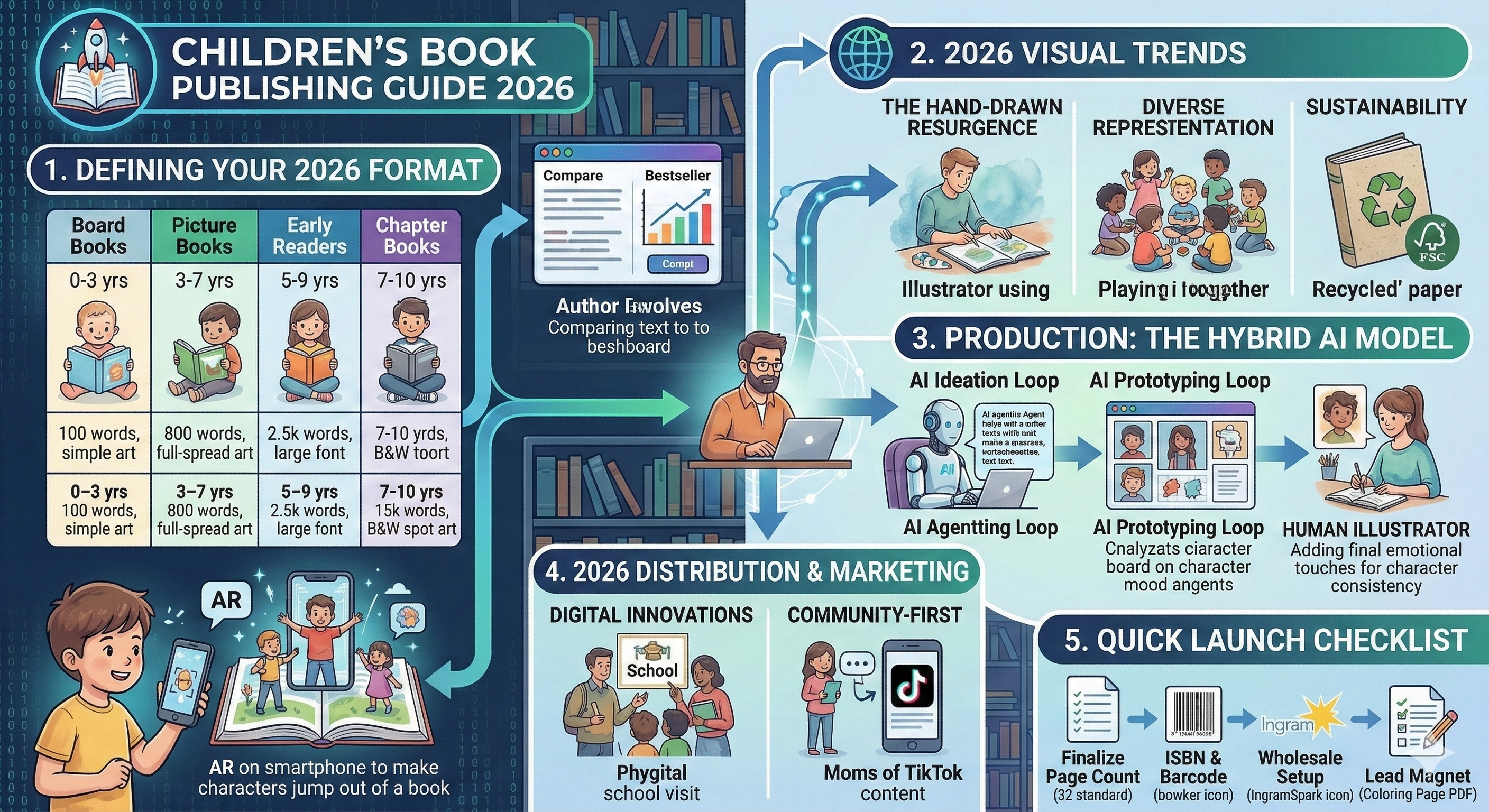
Picture Books (Ages 3–7)
-
500–800 words
-
Strong illustrations
-
Simple, clear language
-
Emotional or educational theme
Early Readers (Ages 5–9)
-
1,000–3,000 words
-
Short chapters
-
Larger fonts
-
Vocabulary-building focus
Middle Grade (Ages 8–12)
-
20,000–50,000 words
-
Deeper plots
-
Character-driven stories
-
Life lessons and adventure
Knowing your audience helps you write, design, and market effectively.
Step-by-Step Children’s Book Publishing Guide
Step 1: Write with a Clear Audience in Mind
Your story must connect with children—not adults.
Ask yourself:
-
What age group am I targeting?
-
What problem does my story solve?
-
What lesson or emotion will kids take away?
Keep language simple. Use short sentences. Show emotions through action.
Most importantly, read your story aloud. If it sounds natural and engaging, you’re on the right track.
Step 2: Edit and Proofread Professionally
Children’s books require clean, precise writing.
Small grammar errors reduce credibility, especially when selling to schools or libraries.
Professional editing ensures:
-
Age-appropriate language
-
Strong pacing
-
Clear message
-
Consistent tone
Proofreading is essential before illustration and formatting begin.
Step 3: Invest in High-Quality Illustrations
In children’s publishing, illustrations sell the book.
Your artwork must:
-
Match the tone of the story
-
Appeal to your target age group
-
Be colorful and expressive
-
Look professional and print-ready
Avoid low-quality or mismatched images. Parents instantly judge books by covers and illustrations.
For picture books especially, illustration quality can determine success.
Step 4: Design a Compelling Book Cover
Your cover is your first marketing tool.
A strong children’s book cover should:
-
Be bright and eye-catching
-
Clearly show the main character
-
Use readable fonts
-
Instantly signal the age group
Remember: online buyers see only a small thumbnail. Your cover must stand out even in small size.
Step 5: Choose Your Publishing Path
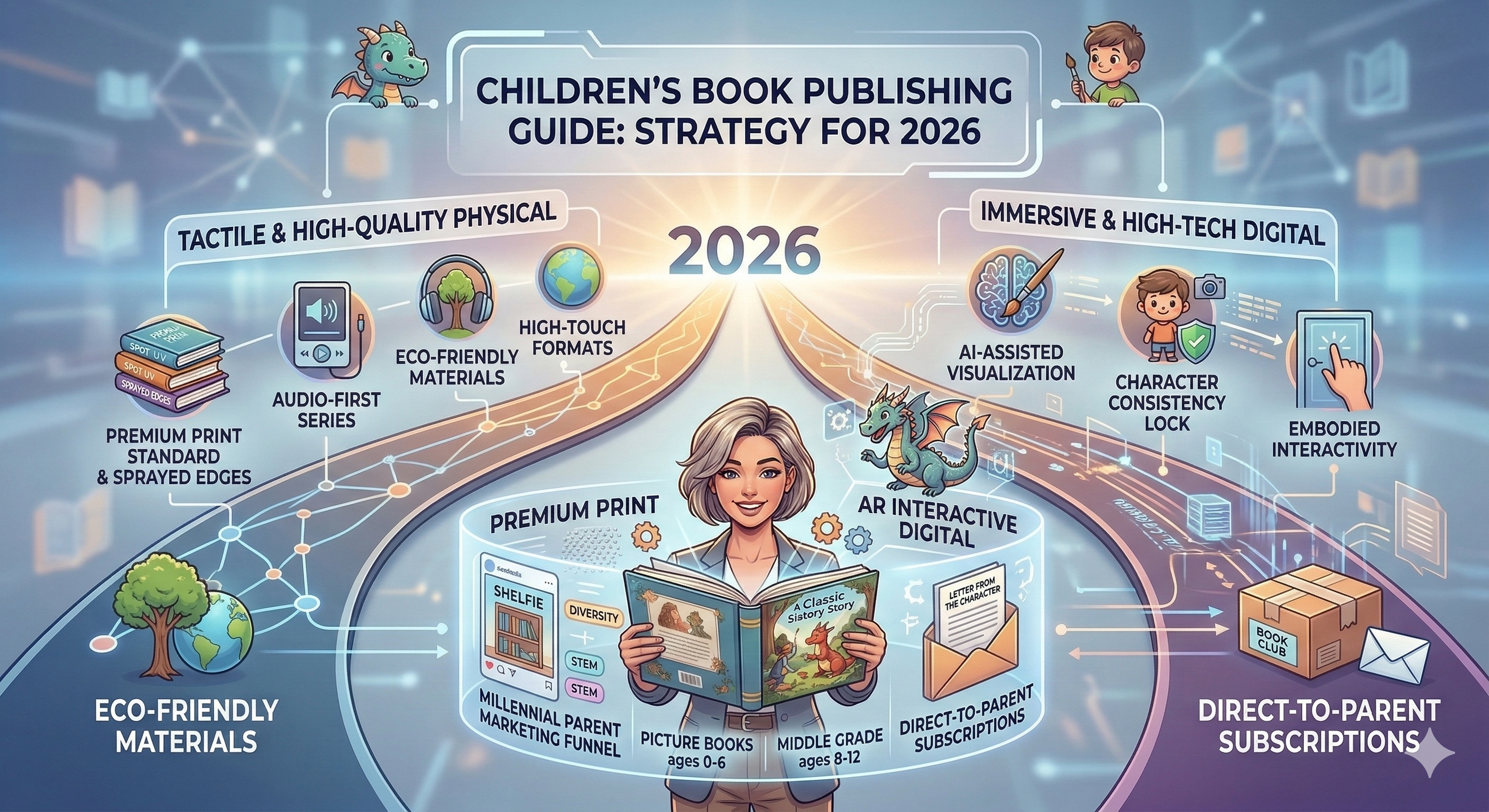
In 2026, authors have two main options.
Traditional Publishing
Pros:
-
Professional backing
-
Distribution support
-
Industry credibility
Cons:
-
Long approval process
-
Less creative control
-
Lower royalty percentage
Self-Publishing
Pros:
-
Full control
-
Faster publishing
-
Higher royalty rates
Cons:
-
You manage marketing
-
Upfront investment required
Many children’s authors now prefer hybrid or supported self-publishing for flexibility and faster market entry.
Step 6: Secure ISBN and Legal Requirements
Every published book needs:
-
ISBN
-
Copyright registration
-
Proper imprint information
This makes your book professional and legally protected.
Schools and bookstores prefer books with official ISBNs and publishing details.
Step 7: Format for Print and Digital
Your children’s book must be properly formatted for:
-
Paperback
-
Hardcover
-
eBook versions
Picture books require special layout attention. Image placement, bleed margins, and text spacing must be correct.
Poor formatting can ruin even a beautifully illustrated book.
Marketing Strategy for Children’s Books in 2026
Publishing is only half the journey. Marketing brings sales.
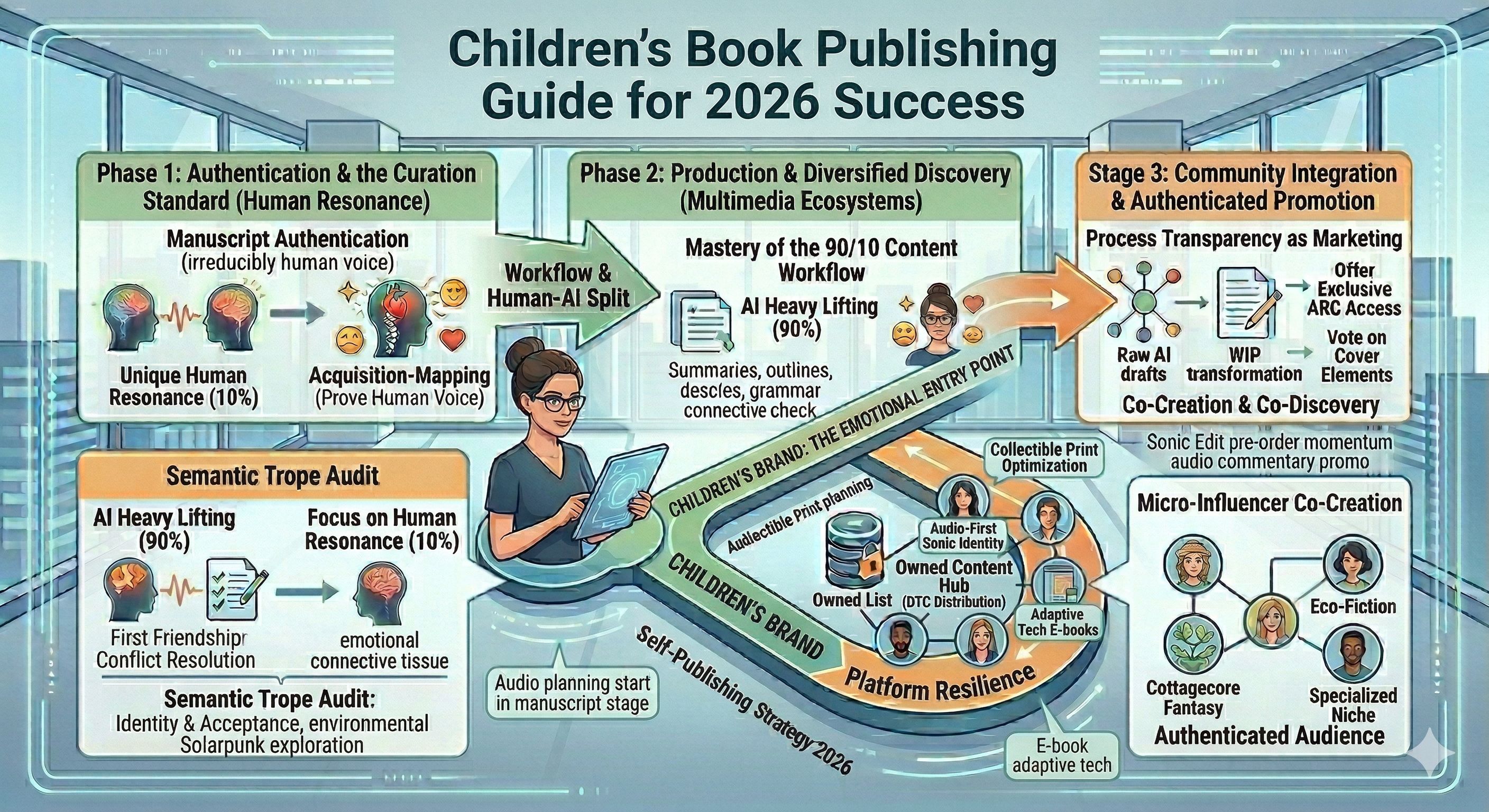
Build an Author Brand Early
Start before launch.
Create:
-
A professional author website
-
Social media presence
-
Email list
Parents trust authors who appear consistent and credible.
Share behind-the-scenes content, illustration previews, and storytelling videos.
Leverage Schools and Libraries
Schools are powerful marketing channels.
Strategies include:
-
Author visits
-
Reading sessions
-
Book fairs
-
Educational tie-in worksheets
Offer value beyond the book. Teachers appreciate learning support materials.
Use Online Marketplaces
List your book on:
-
Major online retailers
-
Print-on-demand platforms
-
eBook platforms
Optimize your book description with keywords like:
-
children’s picture book
-
bedtime story book
-
educational kids book
-
moral story for children
This improves discoverability.
Encourage Reviews
Reviews influence buying decisions.
Encourage:
-
Parent reviews
-
Teacher testimonials
-
Blogger features
Send review copies before launch to build momentum.
Run Targeted Ads
In 2026, digital advertising is highly targeted.
You can run ads aimed at:
-
Parents with young children
-
Homeschooling communities
-
Teachers
-
Gift buyers
Start with a small budget and test what works.
Benefits of Following a Structured Publishing Strategy
Using a clear Children’s Book Publishing Guide offers many advantages.
1. Saves Time
You avoid trial-and-error mistakes.
2. Reduces Costs
Smart planning prevents expensive redesigns and reprints.
3. Improves Book Quality
Professional editing and design increase sales potential.
4. Builds Long-Term Brand Value
A strong first book creates opportunities for future series.
Best Practices for Children’s Book Success
Here are proven best practices for 2026:
-
Focus on emotional storytelling
-
Keep language age-appropriate
-
Use strong, memorable characters
-
Consider creating a book series
-
Offer activity pages or bonus content
-
Print on high-quality paper
Series books perform especially well because children love familiar characters.
Common Mistakes to Avoid
Even talented writers make these errors.
Writing for Adults Instead of Children
If parents love it but kids lose interest, your book won’t sell.
Skipping Professional Editing
Typos damage credibility.
Using Cheap Illustrations
Low-quality art reduces perceived value.
Ignoring Marketing
A great book without marketing stays invisible.
Pricing Too High
Children’s books must remain affordable for families.
Avoid these mistakes to protect your investment.
Why Choose a Professional Publishing Company?
While self-publishing is accessible, managing everything alone can be stressful.
A professional publishing service offers:
-
Experienced editors
-
Skilled illustrators
-
Professional book designers
-
Print and distribution support
-
Marketing guidance
This ensures your book meets industry standards.
Instead of learning everything through costly mistakes, you benefit from expert guidance.
Most importantly, your book competes confidently in a crowded 2026 market.
Creating Long-Term Success Beyond One Book
Children’s authors succeed when they think long term.
Consider:
-
Creating a character series
-
Developing merchandise
-
Offering school programs
-
Writing companion books
Build a brand—not just a single title.
Consistency builds trust with parents and educators.