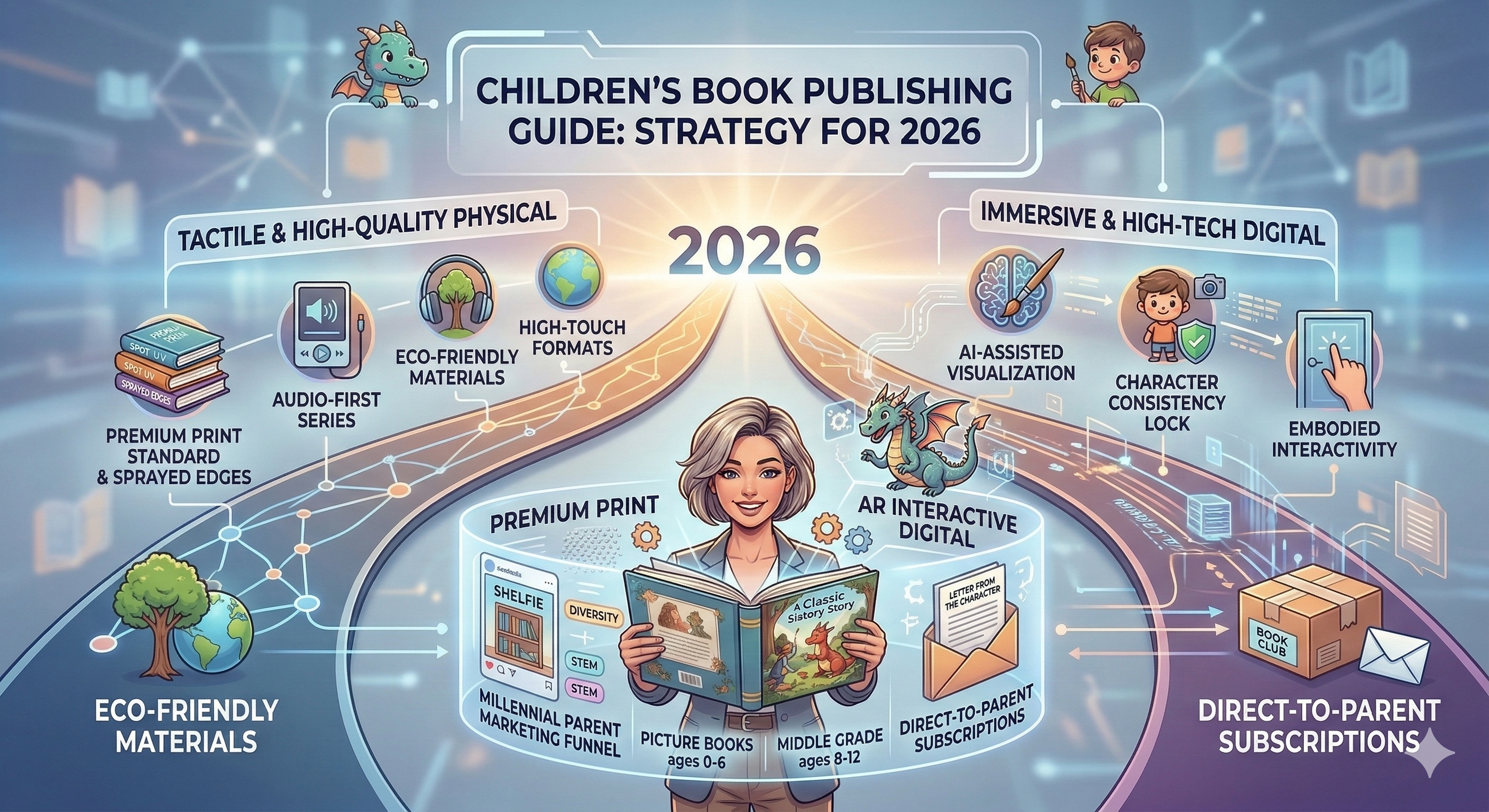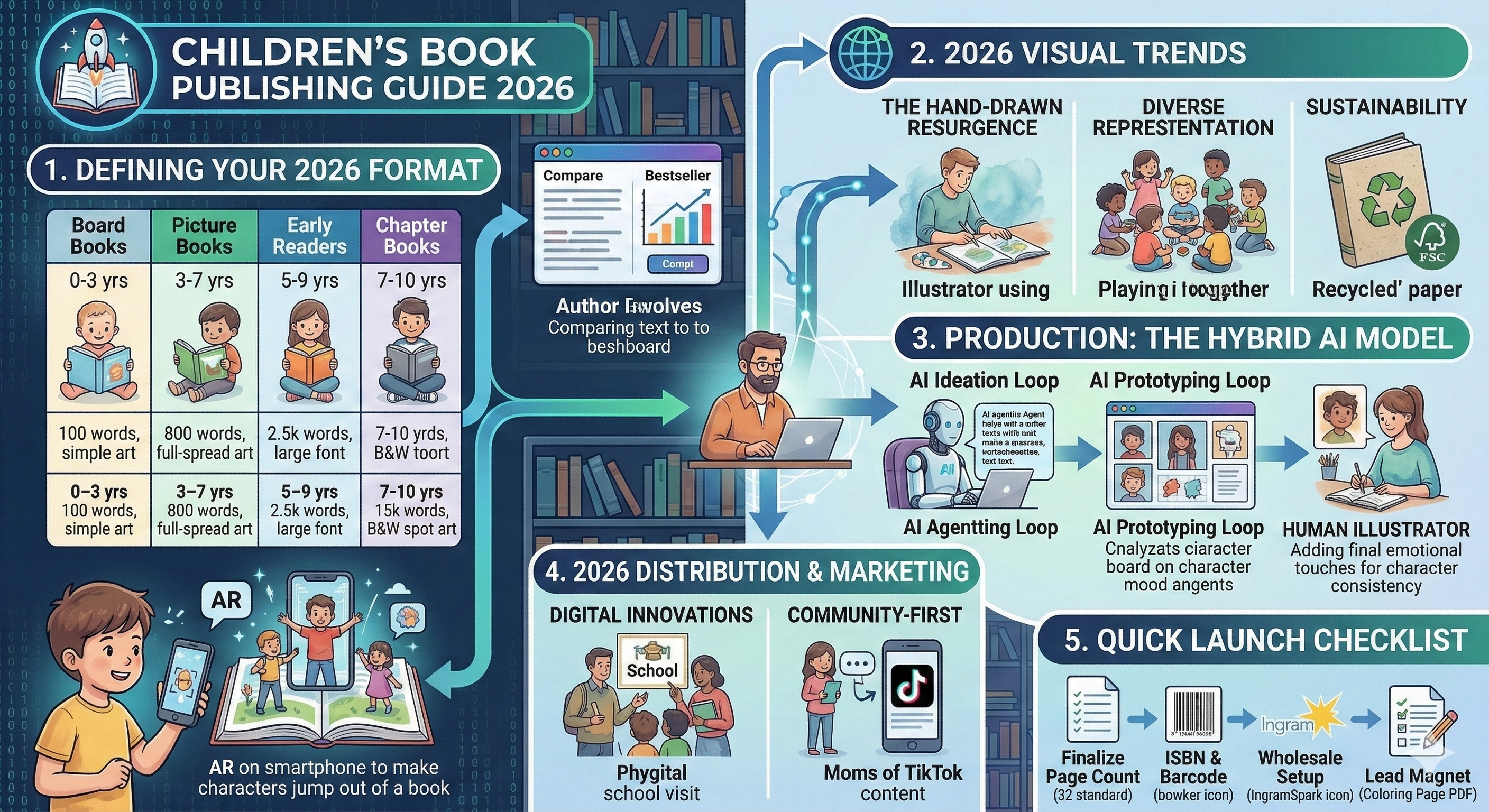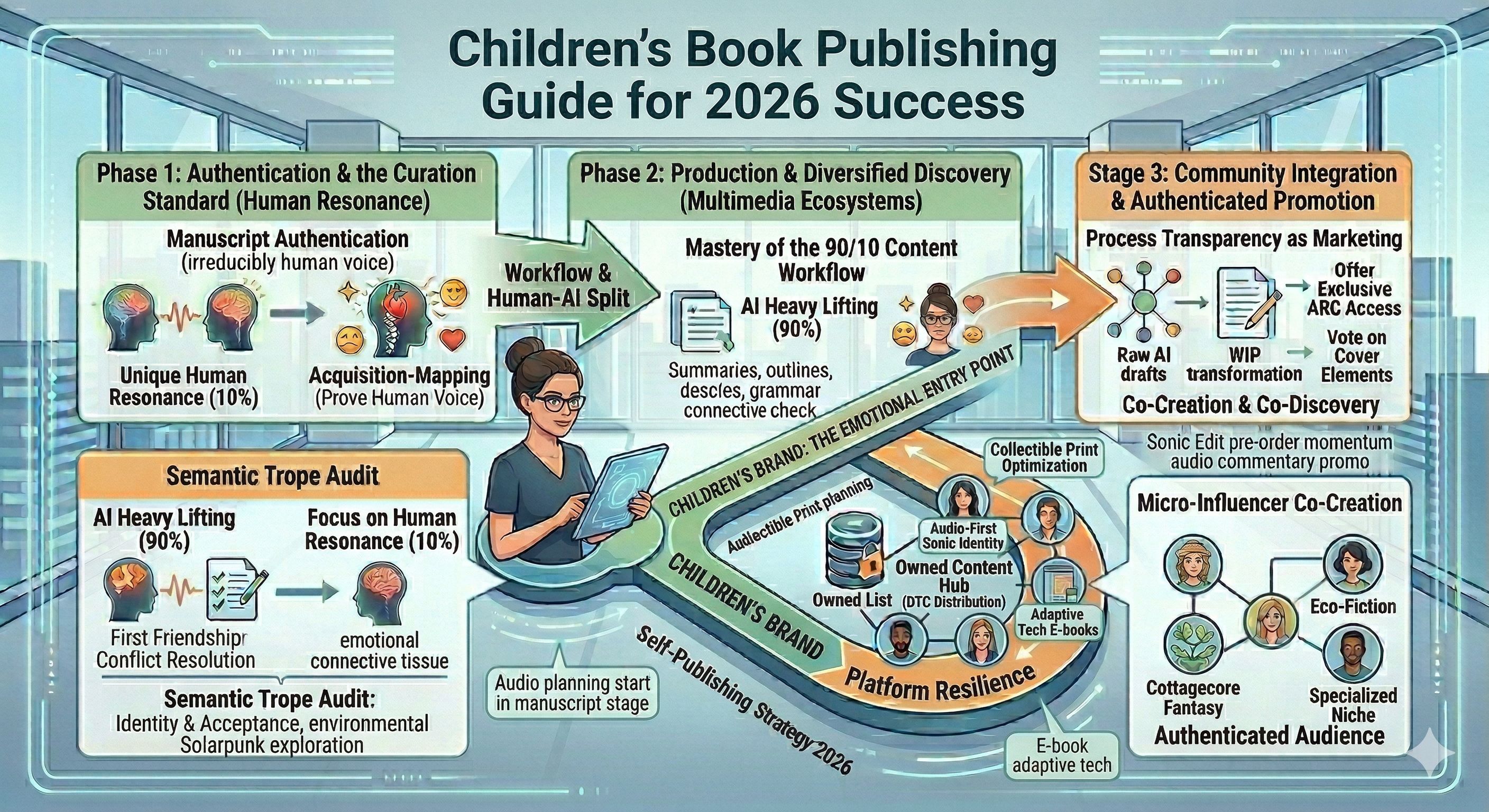
Children’s Book Publishing Guide 145: Complete Strategy to Successfully Publish and Market Your Book in 2026
Introduction: Turning Your Story into a Published Children’s Book
Writing a children’s book is exciting—but publishing and marketing it can feel overwhelming. Many authors struggle with illustration, formatting, choosing the right publishing method, and reaching the right audience.
That’s where a clear strategy helps.
This children’s book publishing guide 2026 walks you through every step—from idea to launch. Whether you’re a first-time author or improving your next book, this guide gives you practical, actionable steps to succeed.
Step 1: Understand Your Target Audience
Before writing or publishing, define who your book is for.
Age Groups in Children’s Books
Each age group has different expectations:
- 0–3 years: Board books with simple visuals
- 4–6 years: Picture books with basic stories
- 7–9 years: Early readers with short chapters
- 10–12 years: Middle-grade fiction
Why This Matters
Your audience determines:
- Vocabulary and sentence length
- Illustration style
- Book length and format
- Marketing approach
Tip: Be specific. “Kids” is too broad—choose a clear age group.
Step 2: Write a Compelling and Age-Appropriate Story
A great children’s book is simple but meaningful.
Key Elements of a Strong Story
- Clear beginning, middle, and end
- Relatable characters
- A strong message or lesson
- Engaging and rhythmic language
Best Practices
- Use repetition for younger readers
- Keep sentences short and easy
- Show emotions through actions
- Read your story out loud to test flow
Step 3: Invest in High-Quality Illustrations
Illustrations are critical in children’s books. They are not optional—they are essential.
What Makes Good Illustrations?
- Bright, engaging visuals
- Consistent character design
- Alignment with the story tone
- Emotional expression
Options for Illustrations
- Hire a freelance illustrator
- Work with a publishing company
- Collaborate with an artist
Tip: Always review portfolios before hiring.
Step 4: Edit and Proofread Your Manuscript
Even simple children’s books need professional editing.
Types of Editing
- Developmental editing: Story structure and flow
- Copy editing: Grammar and clarity
- Proofreading: Final error check
Why Editing Matters
- Improves readability
- Builds credibility
- Prevents negative reviews
Step 5: Format Your Book for Publishing
Formatting is often overlooked but crucial.
Key Formatting Elements
- Font size and spacing
- Text placement with illustrations
- Page layout consistency
- Print vs. digital compatibility
Formats to Consider
- Paperback
- Hardcover
- eBook (for tablets and apps)
Tip: Children’s books often require fixed layouts, especially picture books.
Step 6: Choose the Right Publishing Method
There are three main publishing options:
1. Traditional Publishing
- You submit to publishers
- They handle production and distribution
- Highly competitive
2. Self-Publishing
- Full control over your book
- Higher profit margins
- Requires effort in marketing
3. Hybrid Publishing
- Shared cost and support
- Faster than traditional
- More guidance than self-publishing
Best Choice in 2026: Many authors prefer self or hybrid publishing for speed and control.
Step 7: Design a Professional Book Cover
Your book cover is the first thing parents and children notice.
What Makes a Good Cover?
- Eye-catching colors
- Clear title and readable font
- Child-friendly design
- Genre-appropriate visuals
Common Mistakes
- Overcrowded design
- Poor font choice
- Low-quality images
Step 8: Print and Distribution Strategy
Once your book is ready, decide how to distribute it.
Printing Options
- Print-on-demand (low risk)
- Bulk printing (higher margins)
Distribution Channels
- Online marketplaces
- Bookstores
- Schools and libraries
- Author website
Tip: Start with print-on-demand to test demand.
Step 9: Build a Marketing Plan for 2026
Publishing is only half the job. Marketing drives sales.
Effective Marketing Strategies
- Social media storytelling
- Author branding
- School visits and readings
- Parent communities
- Email newsletters
Digital Trends in 2026
- Short-form video content
- Interactive storytelling
- Influencer collaborations
Benefits of Following a Structured Publishing Strategy
Using a clear strategy gives you a major advantage.
Key Benefits
- Saves time and money
- Improves book quality
- Increases visibility
- Builds long-term author brand
Best Practices for Children’s Book Publishing
To succeed, follow these proven practices:
- Keep stories simple and engaging
- Focus on visual storytelling
- Maintain consistency in design
- Test your book with real readers
- Invest in professional services
Common Mistakes to Avoid
Many authors fail due to avoidable errors.
Avoid These Pitfalls
- Skipping professional editing
- Using low-quality illustrations
- Ignoring target audience needs
- Poor formatting and layout
- Weak marketing strategy
Reality Check: Even a great story can fail without proper presentation and promotion.
Why Choose a Professional Publishing Company
While DIY is possible, professional help can save you time and improve results.
What a Publishing Company Offers
- Expert editing and design
- Access to skilled illustrators
- Professional formatting
- Printing and distribution support
- Marketing guidance
When to Consider It
- If you’re a first-time author
- If you want faster results
- If you want a polished, market-ready book