Editing & Proofreading Guide 154: Complete Strategy to Successfully Publish and Market Your Book in 2026
Introduction: Why Editing and Proofreading Matter More Than Ever
Many authors spend months or even years writing a book. However, the real difference between a rejected manuscript and a successful one often comes down to editing and proofreading.
Readers today expect clean, polished content. Even small mistakes can damage credibility, lead to poor reviews, and hurt sales. In 2026, with more competition in both traditional and self-publishing, quality matters more than ever.
The solution is simple but powerful: follow a structured editing and proofreading strategy. This guide will walk you step by step through the process so you can publish a professional, high-quality book.
Step-by-Step Editing and Proofreading Strategy
Step 1: Take a Break Before Editing
Once you finish your manuscript, do not jump into editing immediately. Distance helps you see mistakes more clearly.
Take at least:
- 3–7 days for short manuscripts
- 2–3 weeks for full-length books
When you return, you will notice issues you missed before.
Step 2: Start with Big-Picture Editing (Developmental Editing)
Before fixing grammar, focus on the structure and content.
Ask yourself:
- Does the story flow logically?
- Are there plot holes or gaps?
- Are the characters consistent and engaging?
- Does each chapter serve a purpose?
For non-fiction:
- Is the information clear and useful?
- Are ideas organized properly?
- Does each section support the main topic?
This stage is about improving the core of your book.
Step 3: Improve Clarity and Style (Line Editing)
Next, focus on how your content is written.
Check for:
- Long, confusing sentences
- Repetitive phrases
- Weak word choices
- Passive voice
Rewrite sentences to make them:
- Clear
- Concise
- Engaging
For example:
- Weak: “The book was written in a way that was very interesting.”
- Strong: “The book was engaging and well-written.”
Step 4: Correct Grammar and Language (Copy Editing)
Now focus on technical accuracy.
Look for:
- Grammar mistakes
- Spelling errors
- Punctuation issues
- Inconsistent formatting
Pay attention to:
- Dialogue punctuation
- Capitalization rules
- Consistent tense
This stage ensures your manuscript is professional and readable.
Step 5: Final Check (Proofreading)
Proofreading is the last step before publishing.
At this stage, you should only fix:
- Typos
- Minor formatting issues
- Small inconsistencies
Do not make major changes here. The goal is to catch final errors.
Tools and Techniques to Improve Accuracy
Even experienced writers miss mistakes. Use multiple methods to improve your results.
Read Aloud
Reading your manuscript aloud helps you:
- Catch awkward sentences
- Identify missing words
- Improve flow
Change the Format
Switching formats can reveal errors.
Try:
- Printing your manuscript
- Changing font style or size
- Reading on a different device
Use Editing Checklists
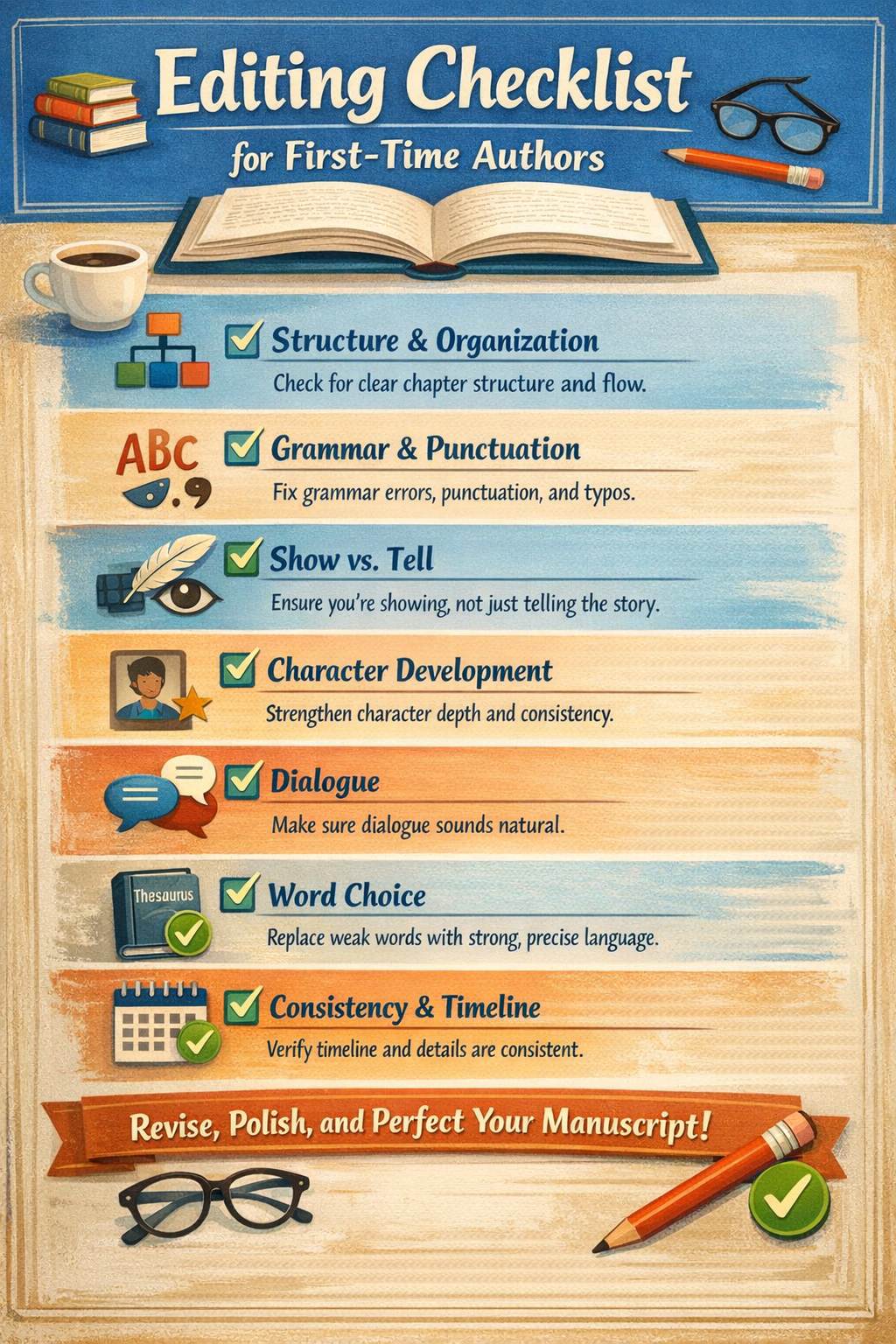
Create a checklist for each stage:
- Structure
- Style
- Grammar
- Proofreading
This keeps your editing process organized.
Edit in Multiple Rounds
Do not try to fix everything at once.
Instead:
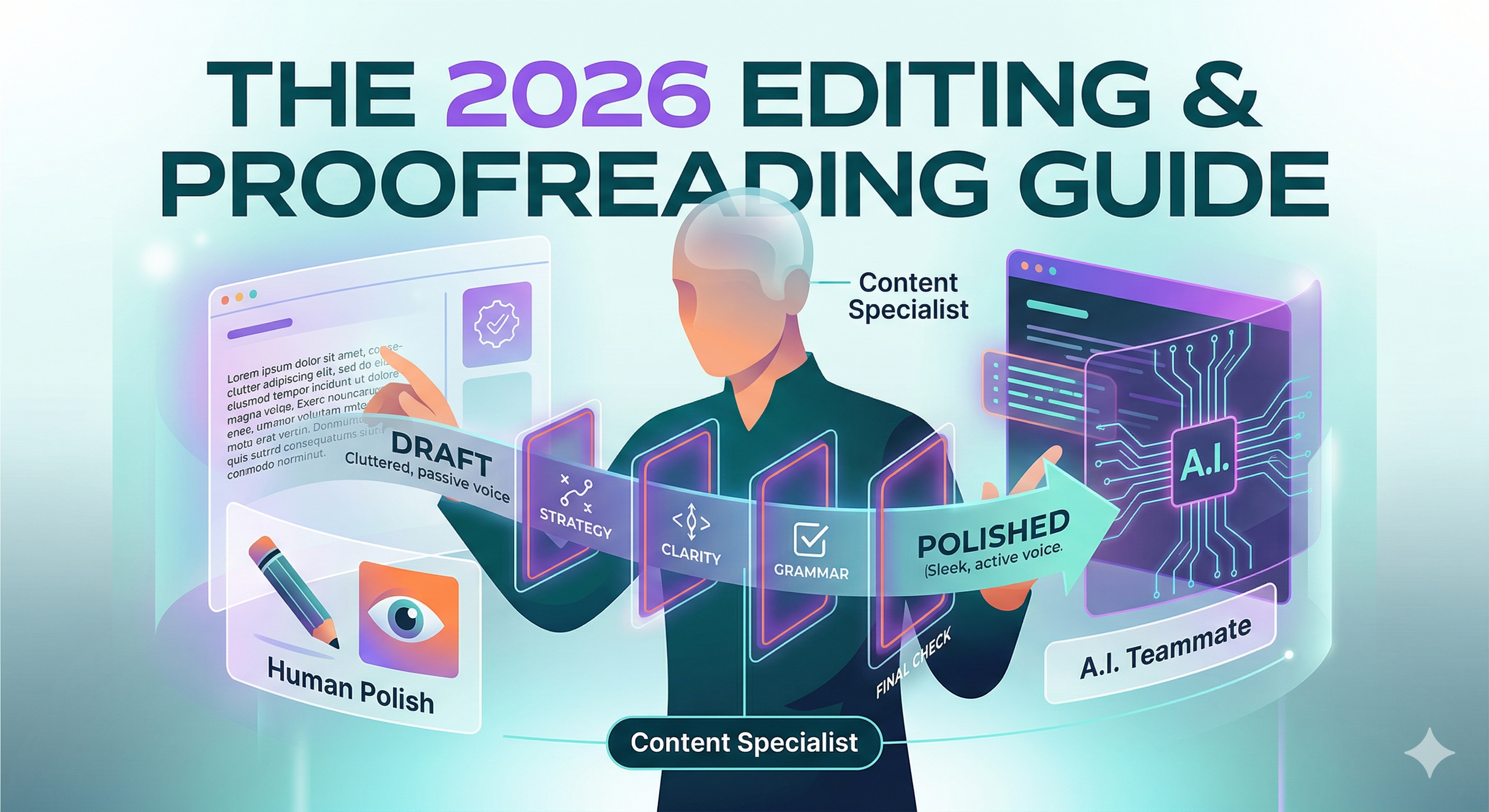
- First round: structure
- Second round: style
- Third round: grammar
- Final round: proofreading
This approach improves focus and accuracy.
Benefits of Proper Editing and Proofreading
A well-edited book offers clear advantages.
Better Reader Experience
Clean writing keeps readers engaged. It builds trust and improves satisfaction.
Stronger Reviews and Ratings
Books with fewer errors receive:
- Higher ratings
- Better reviews
- More recommendations
Higher Sales Potential
Professional books perform better in the market. Readers are more likely to:
- Recommend your book
- Buy future titles
Increased Publishing Opportunities
For traditional publishing:
- Editors expect polished manuscripts
For self-publishing:
- Quality determines success
Best Practices for Editing in 2026
The publishing landscape is evolving. Follow these modern best practices.
Focus on Reader Expectations
Readers prefer:
- Clear language
- Fast-paced content
- Value-driven writing
Always edit with your target audience in mind.
Maintain Consistency
Ensure consistency in:
- Character names
- Tone and voice
- Formatting style
Consistency improves readability and professionalism.
Use Simple Language
Avoid overly complex sentences.
Keep writing:
- Clear
- Direct
- Easy to understand
This improves accessibility and engagement.
Track Changes and Versions
Save multiple versions of your manuscript.
Benefits:
- Easy comparison
- Reduced risk of losing content
- Better control over edits
Common Editing and Proofreading Mistakes to Avoid
Even skilled writers make these mistakes.
Editing Too Early
Editing while writing slows progress. Finish your draft first.
Skipping Developmental Editing
Many authors jump straight to grammar. This leads to weak structure and poor flow.
Over-Editing
Too many edits can:
- Remove your unique voice
- Make writing feel unnatural
Balance clarity with authenticity.
Relying Only on Tools
Automated tools help but are not perfect.
They may miss:
- Context errors
- Tone issues
- Creative inconsistencies
Always review manually.
Ignoring Formatting
Poor formatting affects readability.
Check:
- Paragraph spacing
- Chapter headings
- Alignment
Why Choose a Professional Editing and Proofreading Service
While self-editing is important, professional support can elevate your book.
Expert Feedback
Professional editors:
- Identify deeper issues
- Improve structure and clarity
- Enhance overall quality
Time Efficiency
Editing a full book takes time.
Hiring experts allows you to:
- Focus on writing
- Speed up publishing
Industry Standards
Professionals follow publishing standards.
This ensures your book meets:
- Market expectations
- Publisher requirements
Higher Chances of Success
A professionally edited book:
- Stands out in the market
- Builds author credibility
- Increases long-term success
How to Choose the Right Editing Service
Not all services are equal. Choose carefully.
Check Experience
Look for:
- Industry experience
- Genre expertise
- Proven results
Review Samples
Ask for:
- Before-and-after samples
- Editing examples
This helps you understand their quality.
Understand Services Offered
Make sure they provide:
- Developmental editing
- Line editing
- Copy editing
- Proofreading
Read Client Feedback
Reviews and testimonials show reliability and quality.
Compare Pricing and Value
Avoid choosing based only on cost.
Focus on:
- Quality
- Expertise
- Long-term value