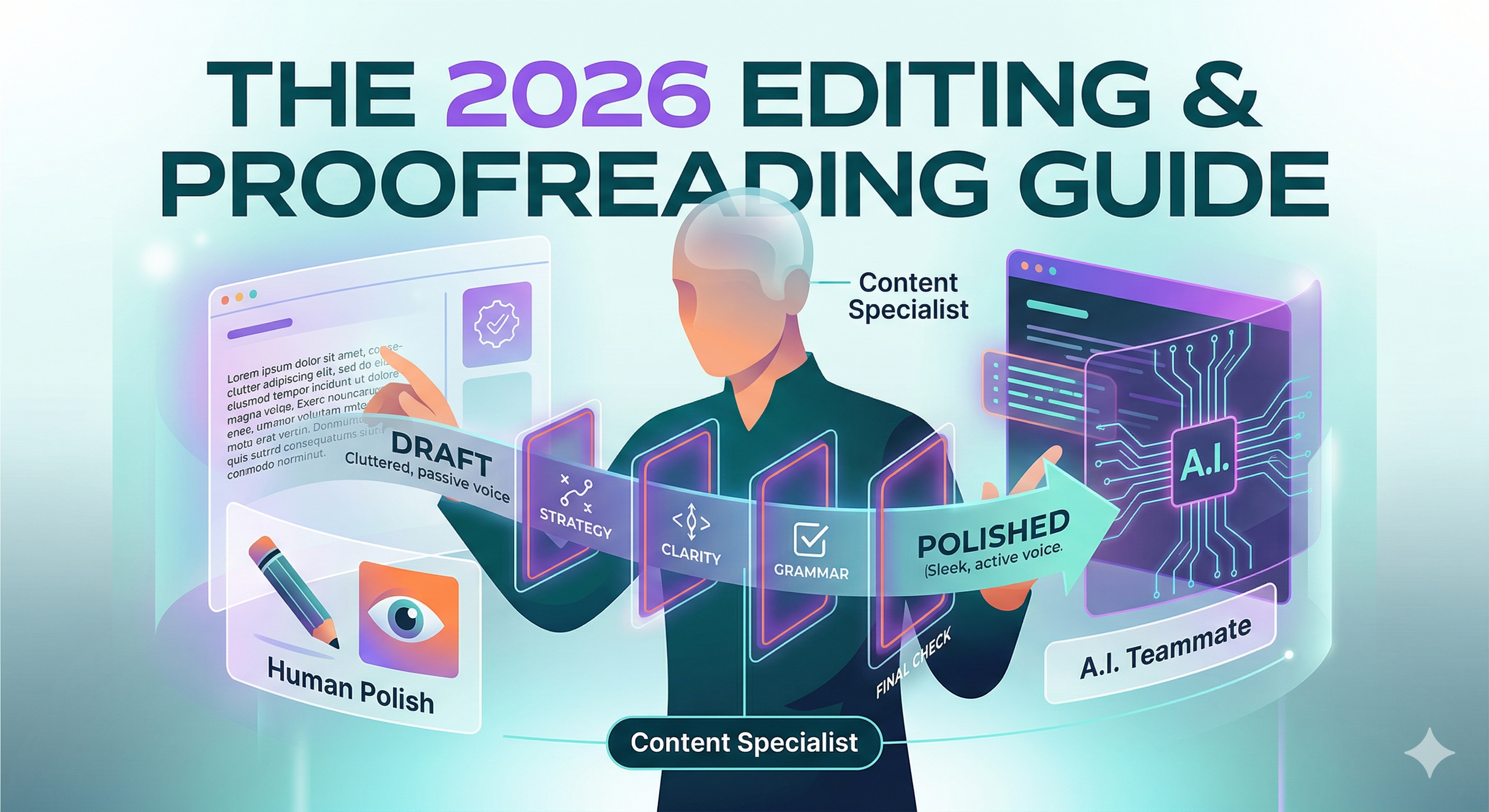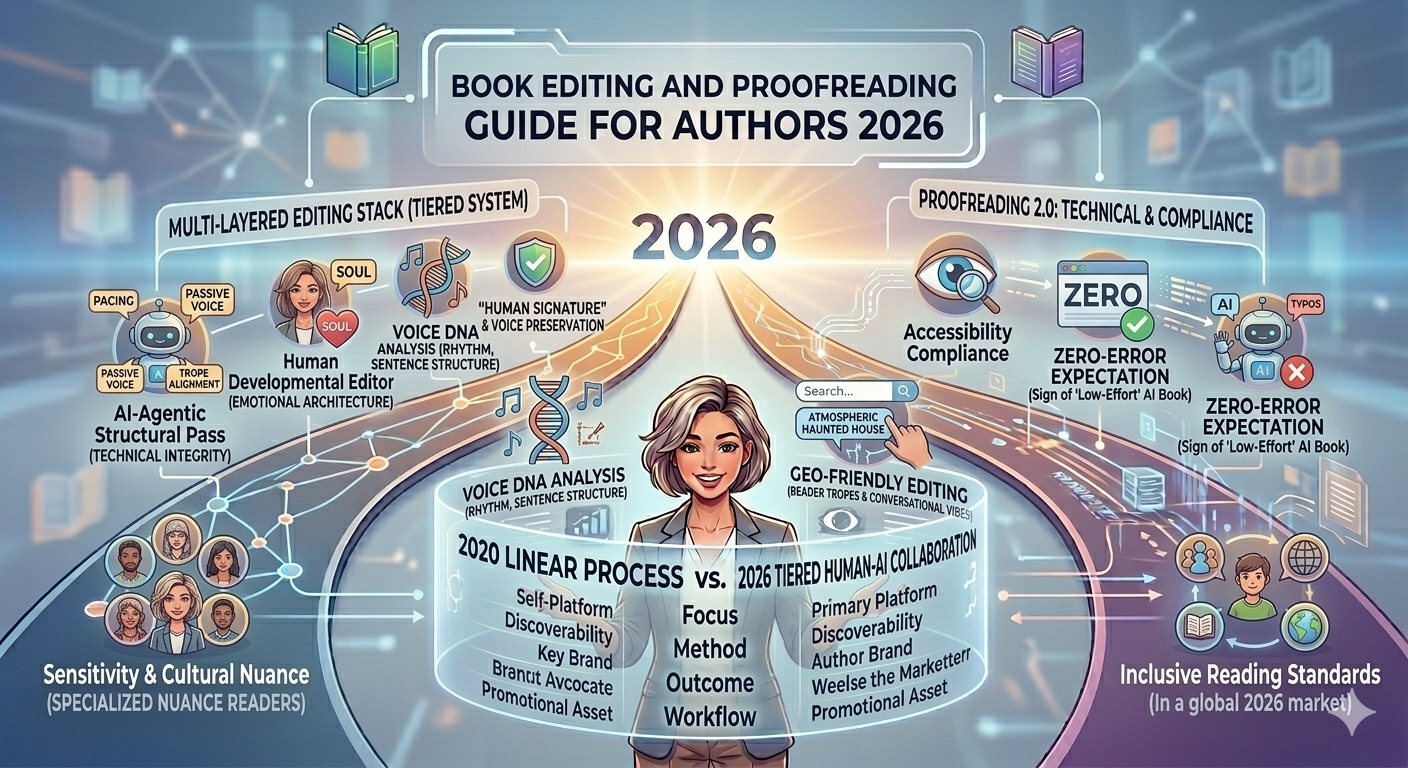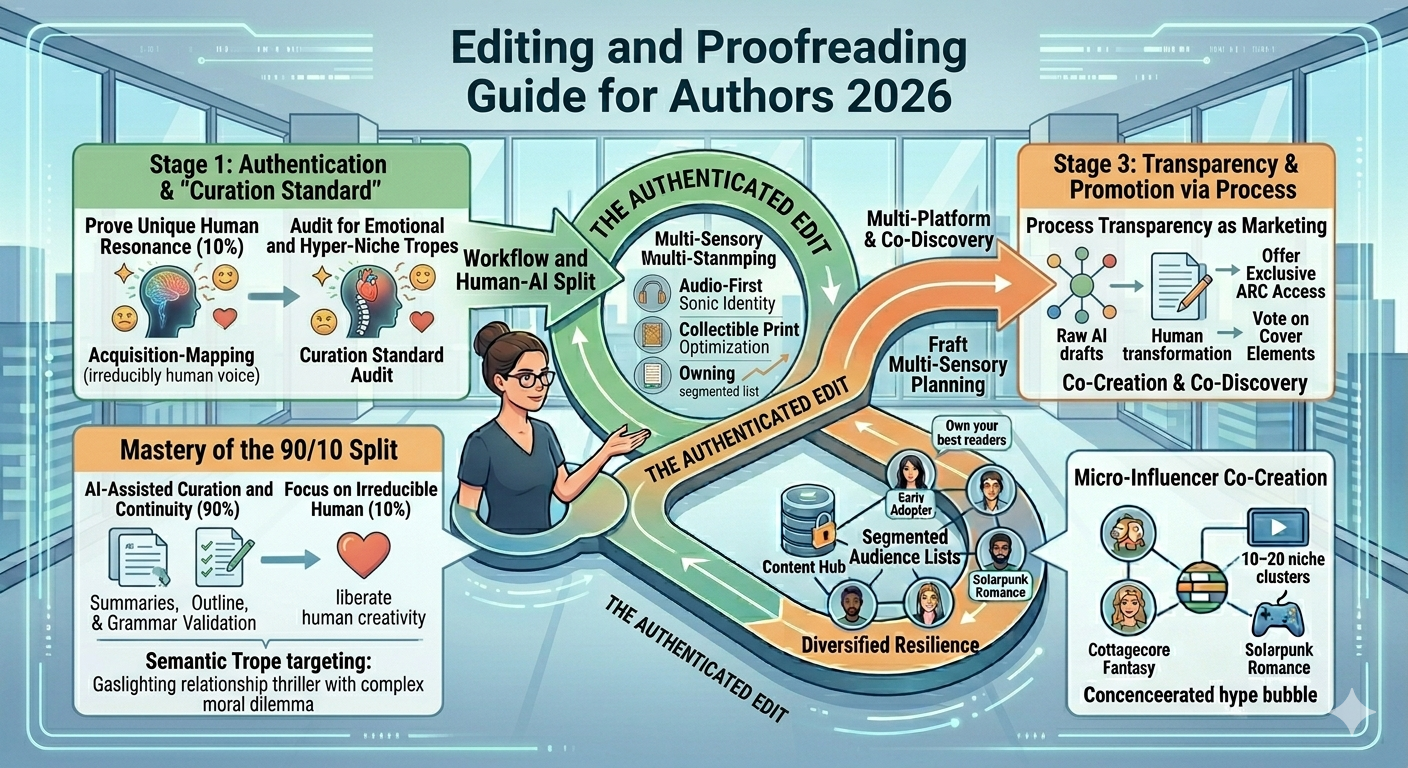
Editing and Proofreading Guide for Authors 2026
Introduction: Why Editing and Proofreading Matter More Than Ever
Many authors finish writing their book and think the hard part is over. In reality, writing is only half the job. Poor editing can ruin even the best story or idea. Readers quickly lose trust when they see grammar mistakes, unclear sentences, or inconsistent content.
This Editing and Proofreading Guide is your complete strategy to refine your manuscript and prepare it for successful publishing and marketing in 2026. Whether you are self-publishing or working with a publisher, strong editing ensures your book stands out in a competitive market.
Understanding Editing vs Proofreading
Before diving into the process, it is important to know the difference.
What is Editing?
Editing focuses on improving the overall quality of your content. It includes:
- Structure and flow
- Clarity and readability
- Tone and consistency
- Removing repetition
What is Proofreading?
Proofreading is the final step. It focuses on:
- Grammar and spelling errors
- Punctuation issues
- Formatting consistency
- Minor corrections
Simple rule: Editing improves content, proofreading fixes errors.
Step-by-Step Editing and Proofreading Strategy
Step 1: Take a Break Before Editing
After finishing your manuscript, step away for a few days.
This helps you:
- See mistakes clearly
- Think like a reader
- Avoid emotional attachment to weak sections
Even a short break improves your editing quality.
Step 2: Start with Big Picture Editing
Focus on structure first, not grammar.
Check the following:
- Does the story or message flow logically?
- Are chapters well organized?
- Is there a clear beginning, middle, and end?
Ask yourself:
- Is anything confusing?
- Are there unnecessary sections?
- Does each chapter add value?
Fix these issues before moving forward.
Step 3: Improve Clarity and Readability
Now refine your writing style.
Tips:
- Use short sentences
- Avoid complex words
- Replace passive voice with active voice
Example:
- Weak: The book was written by the author.
- Strong: The author wrote the book.
Also:
- Remove filler words
- Break long paragraphs
- Use simple language
Step 4: Line Editing for Quality
Line editing focuses on sentence-level improvement.
Look for:
- Repetition of words
- Awkward phrasing
- Inconsistent tone
Improve:
- Word choice
- Sentence flow
- Emotional impact
This step makes your writing engaging and professional.
Step 5: Check Consistency
Consistency builds trust with readers.
Review:
- Character names and details
- Dates and timelines
- Formatting style
- Voice and tone
For non-fiction:
- Ensure facts and data are consistent
Small inconsistencies can confuse readers.
Step 6: Proofreading for Final Errors
Now focus on minor mistakes.
Check:
- Grammar
- Spelling
- Punctuation
- Formatting
Effective techniques:
- Read aloud
- Use printed copy
- Check one error type at a time
Proofreading requires patience and attention.
Step 7: Use Editing Tools Wisely
Tools can help but should not replace human judgment.
Common uses:
- Grammar checks
- Spell checks
- Readability suggestions
Important:
- Do not accept all suggestions blindly
- Always review changes manually
Tools assist, but you control quality.
Step 8: Get Feedback from Others
Fresh eyes catch mistakes you miss.
Options:
- Beta readers
- Writing groups
- Professional editors
Ask for feedback on:
- Clarity
- Engagement
- Confusing sections
Constructive feedback improves your book significantly.
Benefits of Proper Editing and Proofreading
Investing time in editing offers major advantages.
1. Better Reader Experience
Clean and clear writing keeps readers engaged.
2. Higher Credibility
Well-edited books look professional and trustworthy.
3. Stronger Reviews
Readers notice quality and leave better feedback.
4. Improved Sales
Professional books sell more consistently.
5. Easier Marketing
A polished book is easier to promote and recommend.
Best Practices for Editing in 2026
The publishing world is evolving. Follow these modern practices.
Focus on Reader Experience
Write for clarity, not complexity.
Edit in Multiple Rounds
Do not try to fix everything at once.
Use Digital and Manual Methods
Combine tools with human review.
Keep Style Consistent
Maintain a uniform tone throughout.
Track Changes
Keep records of edits to avoid confusion.
Common Editing and Proofreading Mistakes to Avoid
Many authors make avoidable errors.
1. Editing While Writing
This slows down creativity and productivity.
2. Skipping Structural Editing
Fixing grammar without fixing flow is ineffective.
3. Overediting
Too many changes can remove your unique voice.
4. Ignoring Feedback
External input is valuable and necessary.
5. Relying Only on Tools
Automated tools cannot understand context fully.
6. Rushing the Process
Editing requires time and focus.
Why You Should Consider Professional Editing Services
While self-editing is important, professional services offer deeper expertise.
Advantages:
Expert Knowledge
Professionals understand industry standards.
Objective Review
They provide unbiased feedback.
Time Saving
Faster and more efficient editing process.
Higher Quality Output
Improves chances of publishing success.
Types of Professional Editing Services
Developmental Editing
Focuses on structure and content.
Copy Editing
Improves grammar and clarity.
Proofreading
Final error checking before publishing.
Choosing the right service depends on your needs and budget.
How Editing Impacts Book Marketing
Editing is not just about quality—it affects marketing success.
Better First Impressions
Readers judge quickly based on writing quality.
Positive Word of Mouth
Clean books get recommended more.
Strong Author Brand
Consistency builds long-term trust.
Reduced Negative Reviews
Fewer errors mean fewer complaints.
In 2026, reader expectations are higher than ever. Quality directly impacts visibility and sales.
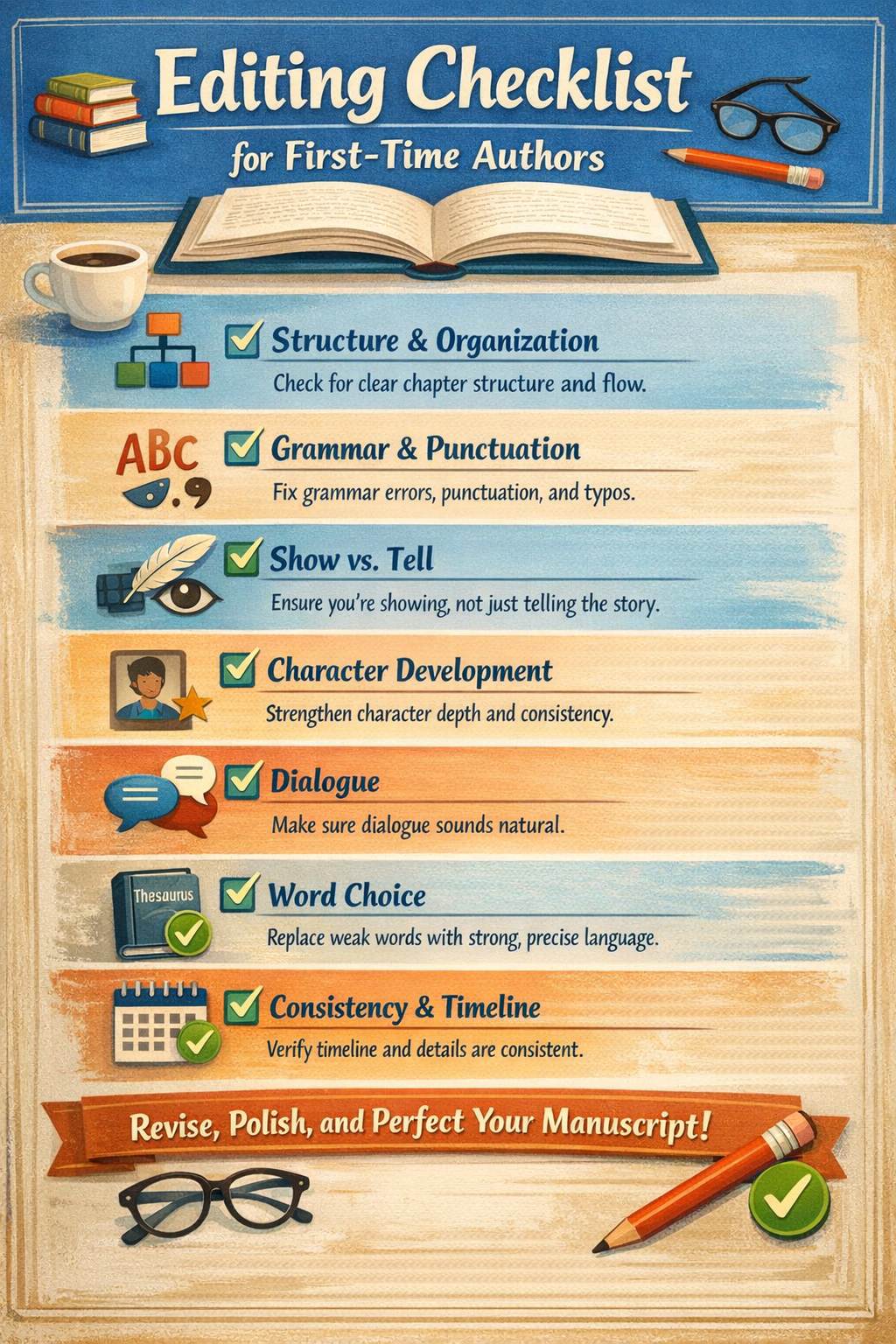
Editing Checklist for Authors
Use this quick checklist before publishing:
- Structure is clear and logical
- Content flows smoothly
- Sentences are simple and clear
- No repetition or filler words
- Consistent tone and style
- Grammar and spelling are correct
- Formatting is uniform