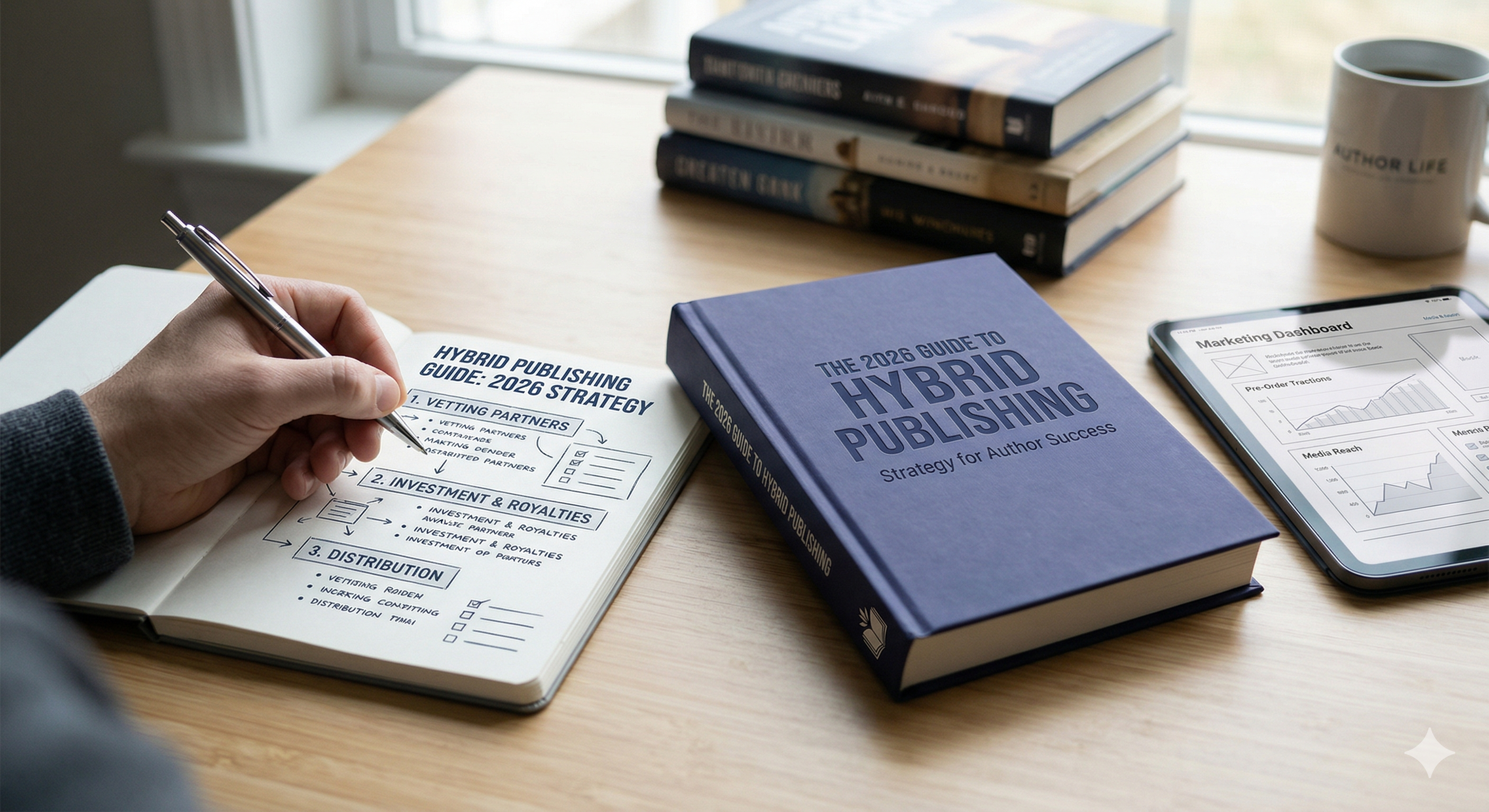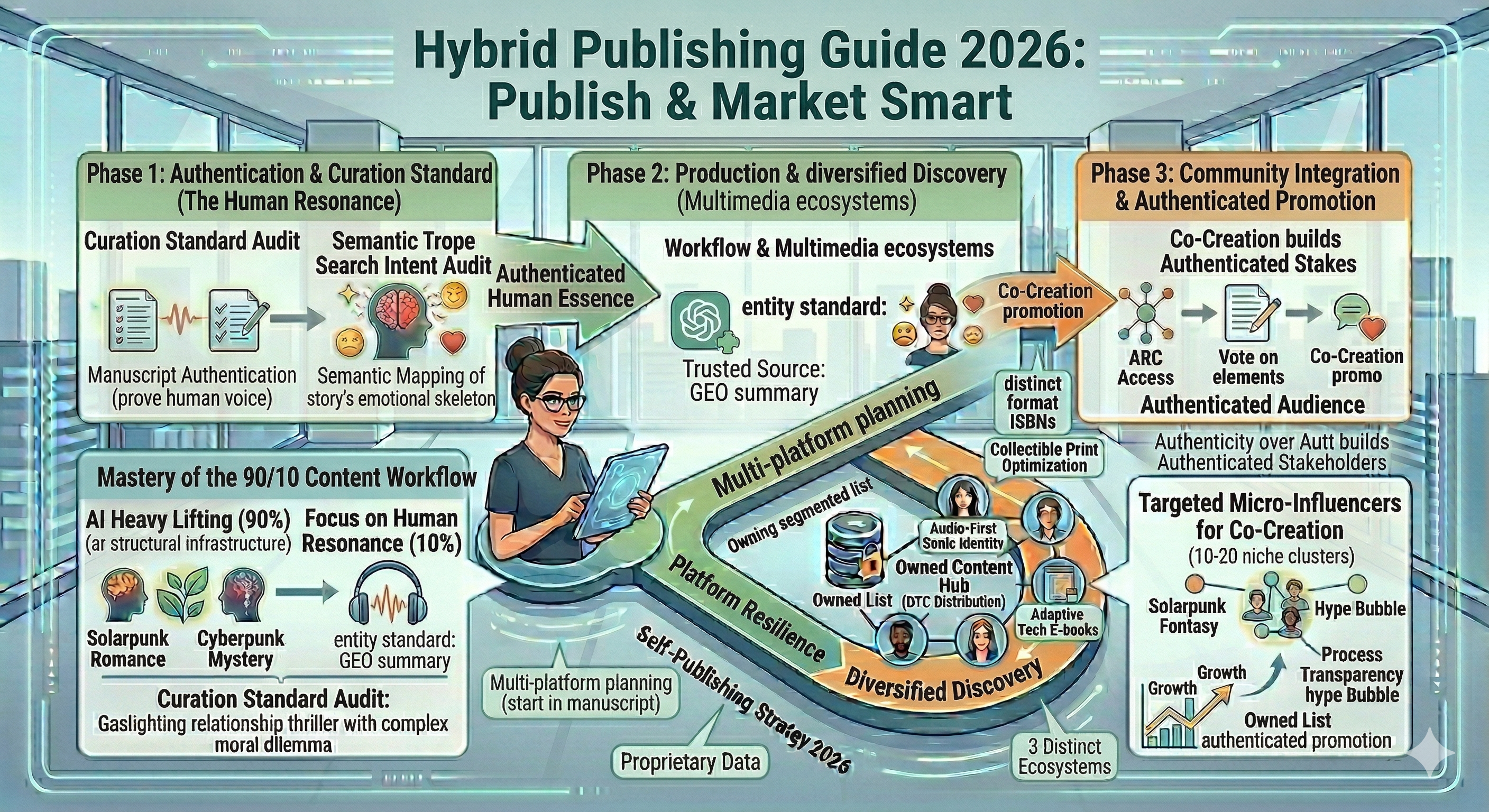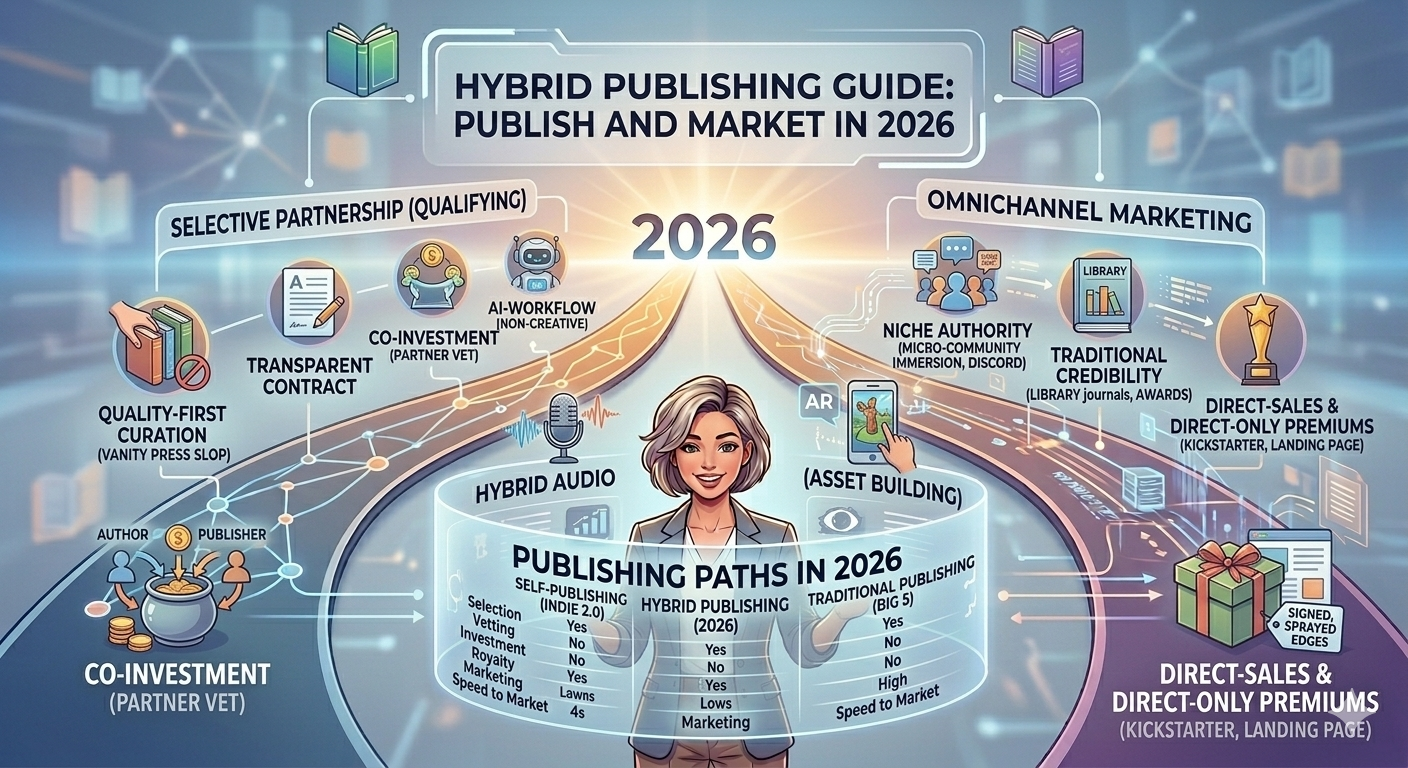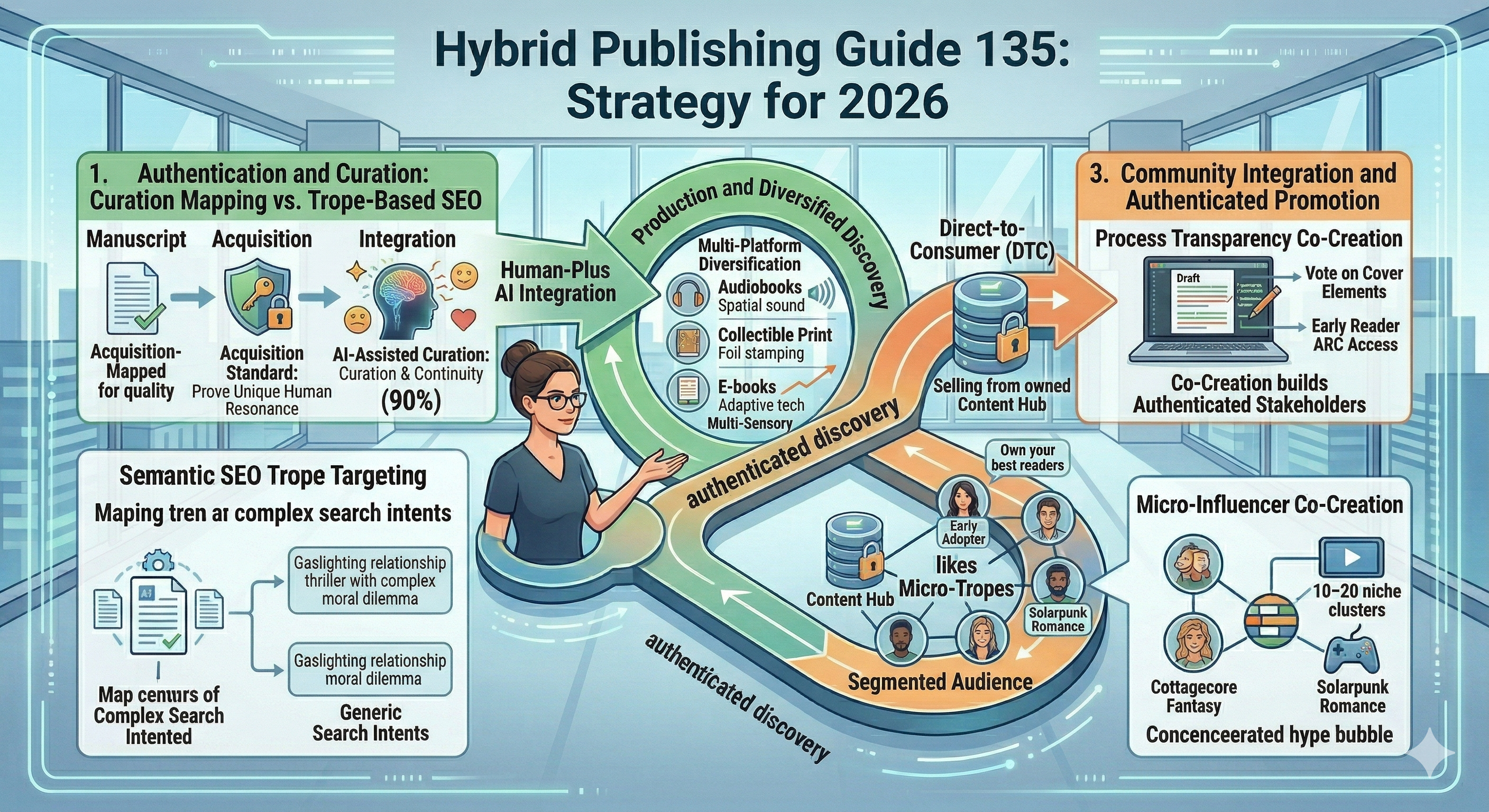
Hybrid Publishing Guide 135: Complete Strategy to Successfully Publish and Market Your Book in 2026
Introduction: The Publishing Problem and the Smart Solution
Publishing a book today is easier than ever—but succeeding with it is harder.
Many authors struggle with low sales, poor visibility, or lack of professional support. Traditional publishing is selective, while self-publishing can feel overwhelming without guidance.
This is where the Hybrid Publishing Guide 2026 becomes your solution. Hybrid publishing combines the best of both worlds—professional support and creative control. It allows authors to publish high-quality books while actively participating in the process.
In this guide, you’ll learn exactly how to publish and market your book using a hybrid strategy that works in 2026.
What Is Hybrid Publishing?
Hybrid publishing is a model where authors invest in professional publishing services while maintaining control over their work.
Unlike traditional publishing, you don’t need approval from a publisher. Unlike self-publishing, you’re not doing everything alone.
Key Features of Hybrid Publishing:
- Author retains rights and control
- Professional editing and design services
- Faster publishing timeline
- Shared responsibility for marketing
In 2026, hybrid publishing is becoming the preferred choice for serious authors who want both quality and speed.
Step-by-Step Hybrid Publishing Strategy for 2026
Step 1: Define Your Book Goals
Before publishing, be clear about your purpose.
Ask yourself:
- Do you want to build a personal brand?
- Are you aiming for profit or visibility?
- Is this a long-term writing career?
Clear goals help you choose the right publishing and marketing strategy.
Step 2: Choose the Right Hybrid Publisher
Not all hybrid publishers are equal. Choosing the wrong one can cost time and money.
Look for:
- Transparent pricing
- Professional portfolio
- Strong distribution channels
- Positive author reviews
A good hybrid publisher acts as a partner—not just a service provider.
Step 3: Invest in Professional Editing
Editing is non-negotiable if you want credibility.
Types of editing you need:
- Developmental editing (structure and content)
- Copyediting (grammar and clarity)
- Proofreading (final polish)
Even great ideas fail without proper editing.
Step 4: Design a Market-Ready Book
Your book cover and formatting directly affect sales.
Focus on:
- Attractive, genre-specific cover design
- Clean and readable formatting
- Mobile-friendly eBook layout
Remember, readers judge books by their covers—especially online.
Step 5: Set a Smart Pricing Strategy
Pricing affects both sales and perception.
In 2026:
- eBooks typically range from $2.99 to $9.99
- Print books depend on genre and size
Test different price points and adjust based on performance.
Step 6: Build Your Author Platform Early
Do not wait until publishing day to start marketing.
Start building:
- A professional author website
- Email list
- Social media presence
Consistency matters more than perfection here.
Step 7: Launch Your Book Strategically
A successful launch creates momentum.
Plan:
- Pre-launch promotions
- Advance reader copies (ARCs)
- Launch-day campaigns
The first 30 days are critical for visibility and ranking.
Step 8: Execute Ongoing Marketing
Publishing is just the beginning.
Focus on:
- Content marketing (blogs, videos)
- Paid ads (Amazon, social media)
- Book reviews and testimonials
Marketing should be continuous, not a one-time effort.
Benefits of Hybrid Publishing in 2026
Hybrid publishing offers several advantages over traditional and self-publishing.
1. Full Creative Control
You decide everything—from content to cover design.
2. Faster Time to Market
Books can be published in months instead of years.
3. Professional Quality
You get expert-level editing, design, and formatting.
4. Higher Royalties
You earn more compared to traditional publishing deals.
5. Flexibility in Marketing
You can experiment with different marketing strategies.
Best Practices for Hybrid Publishing Success
To maximize results, follow these proven practices.
Focus on Your Target Audience
Know exactly who your readers are.
- Age group
- Interests
- Reading habits
This helps in both writing and marketing.
Prioritize Quality Over Speed
Publishing quickly is good—but quality matters more.
A well-produced book performs better long-term.
Use Data to Improve Strategy
Track performance metrics like:
- Sales numbers
- Conversion rates
- Reader feedback
Adjust your strategy based on real data.
Build Long-Term Relationships
Engage with your readers regularly.
- Respond to comments
- Send newsletters
- Offer exclusive content
Loyal readers become repeat buyers.
Common Mistakes to Avoid
Even with the best strategy, mistakes can hurt your success.
1. Skipping Professional Editing
This leads to poor reviews and low credibility.
2. Choosing the Wrong Publisher
Always research before investing money.
3. Ignoring Marketing
Many authors assume publishing is enough—it’s not.
4. Poor Cover Design
A weak cover reduces click-through rates instantly.
5. Unrealistic Expectations
Success takes time, effort, and consistency.
6. Lack of Clear Branding
Your book and author identity should feel consistent across platforms.
Why Choose a Professional Hybrid Publishing Company?
Working with a professional company can significantly improve your results.
Expertise and Experience
They understand industry standards and trends.
Time Efficiency
You focus on writing while experts handle technical tasks.
Better Distribution
Professional companies ensure your book reaches major platforms.
Marketing Support
They provide guidance and tools for promotion.
Higher Quality Output
From editing to design, everything meets professional standards.
Hybrid Publishing Trends to Watch in 2026
To stay ahead, understand where the industry is going.
AI-Assisted Editing (Human-Controlled)
Tools assist editors, but human expertise remains essential.
Audiobook Growth
More readers prefer listening over reading.
Direct-to-Reader Sales
Authors are selling directly through their own platforms.
Personal Branding Becomes Essential
Authors are now brands, not just writers.
Multi-Format Publishing
Books are launched in eBook, print, and audio formats simultaneously.