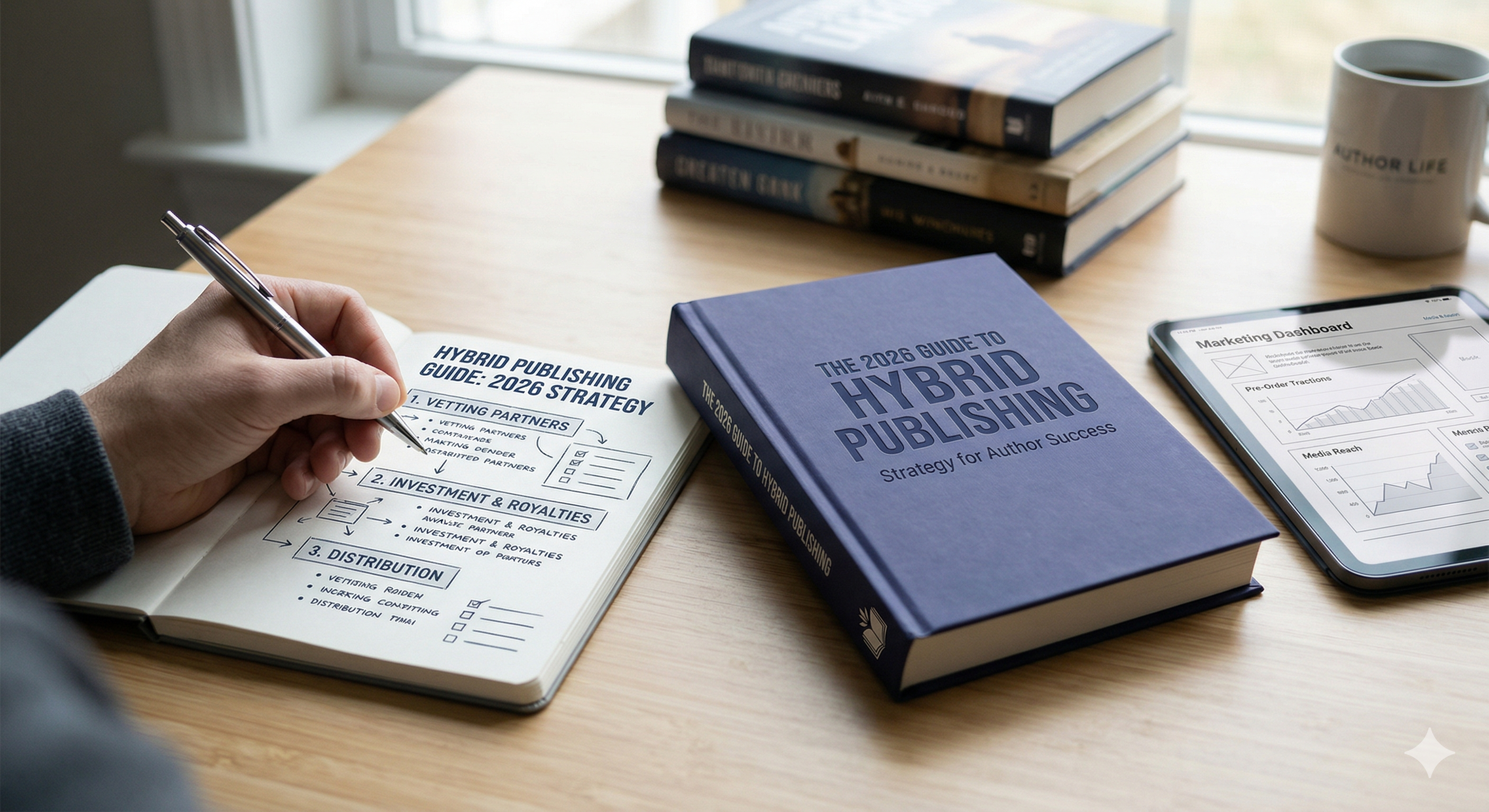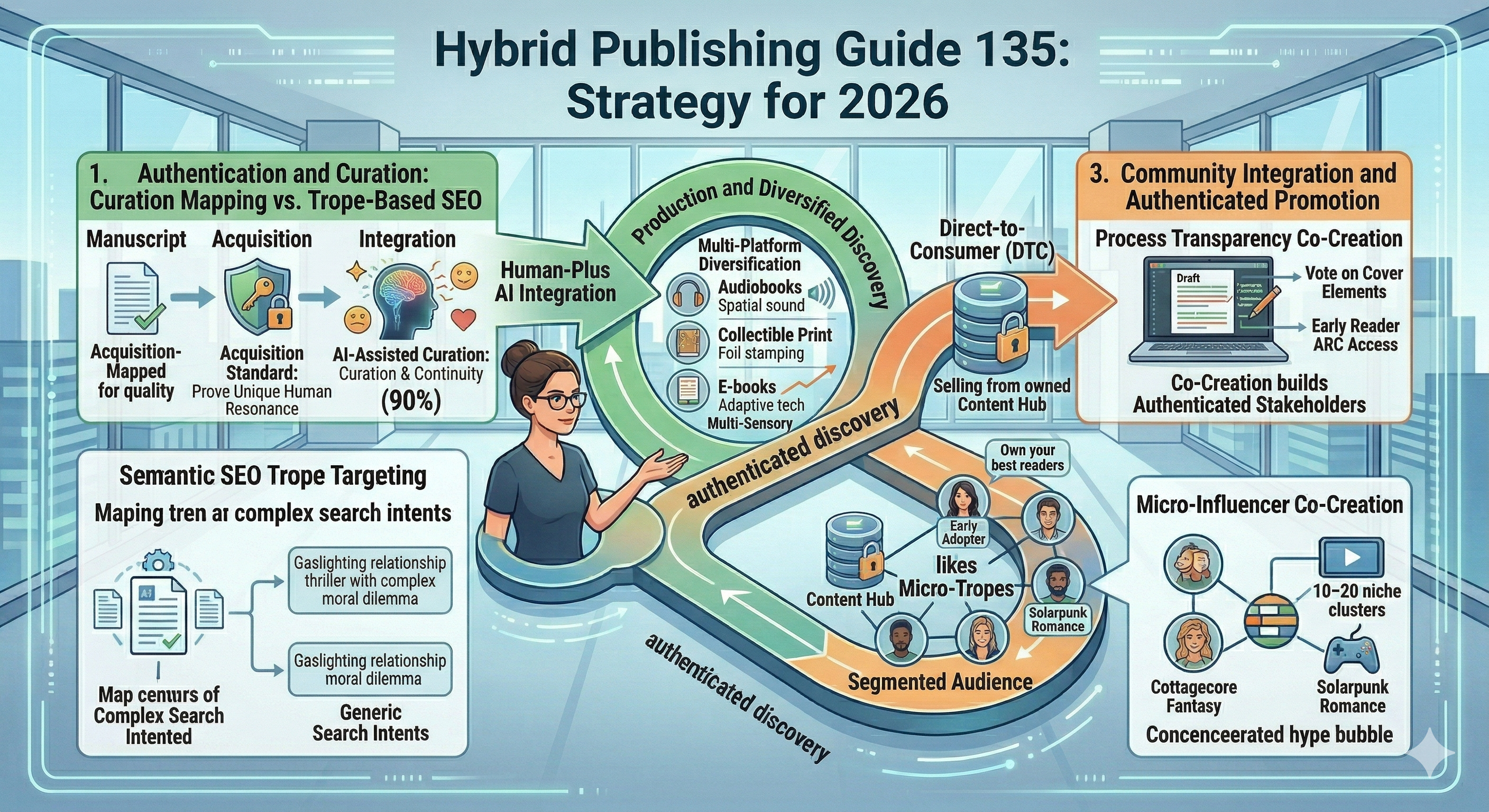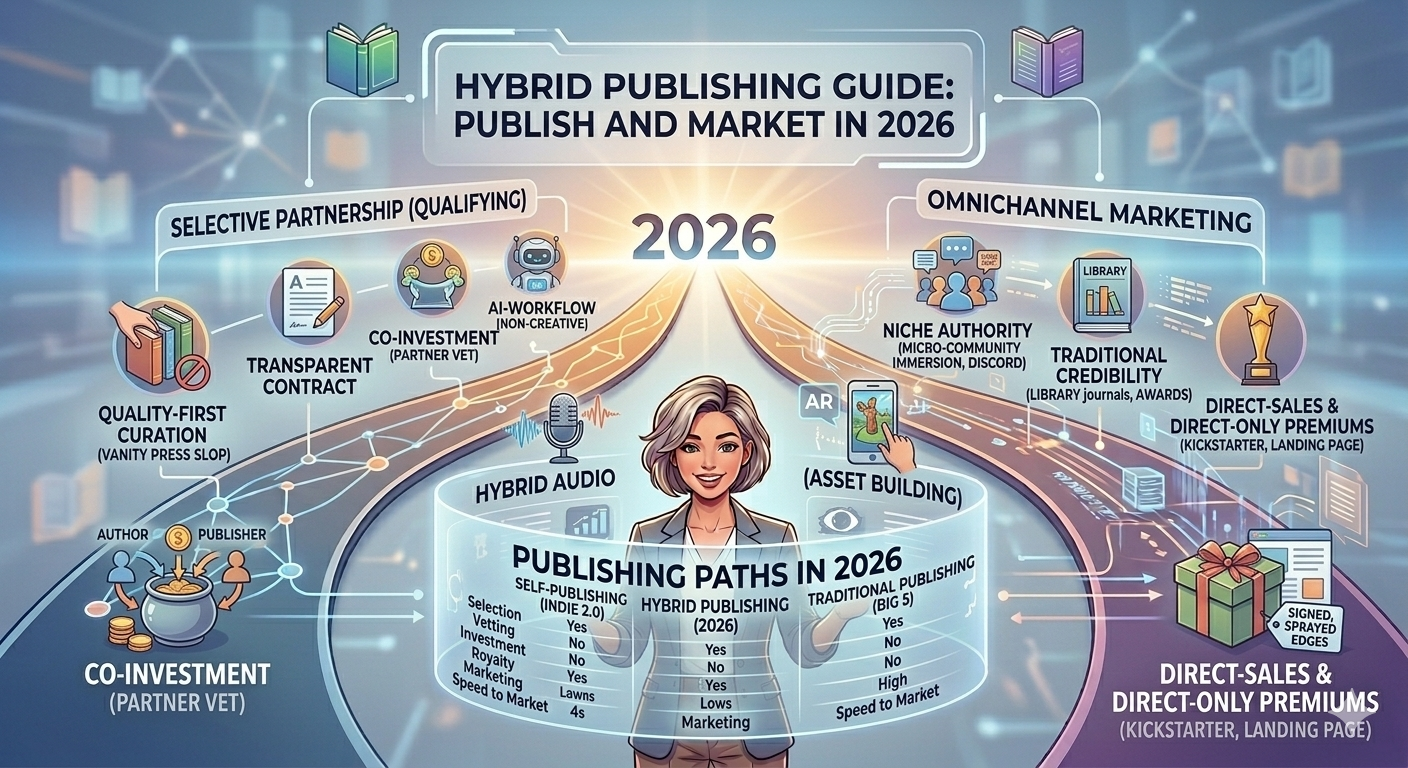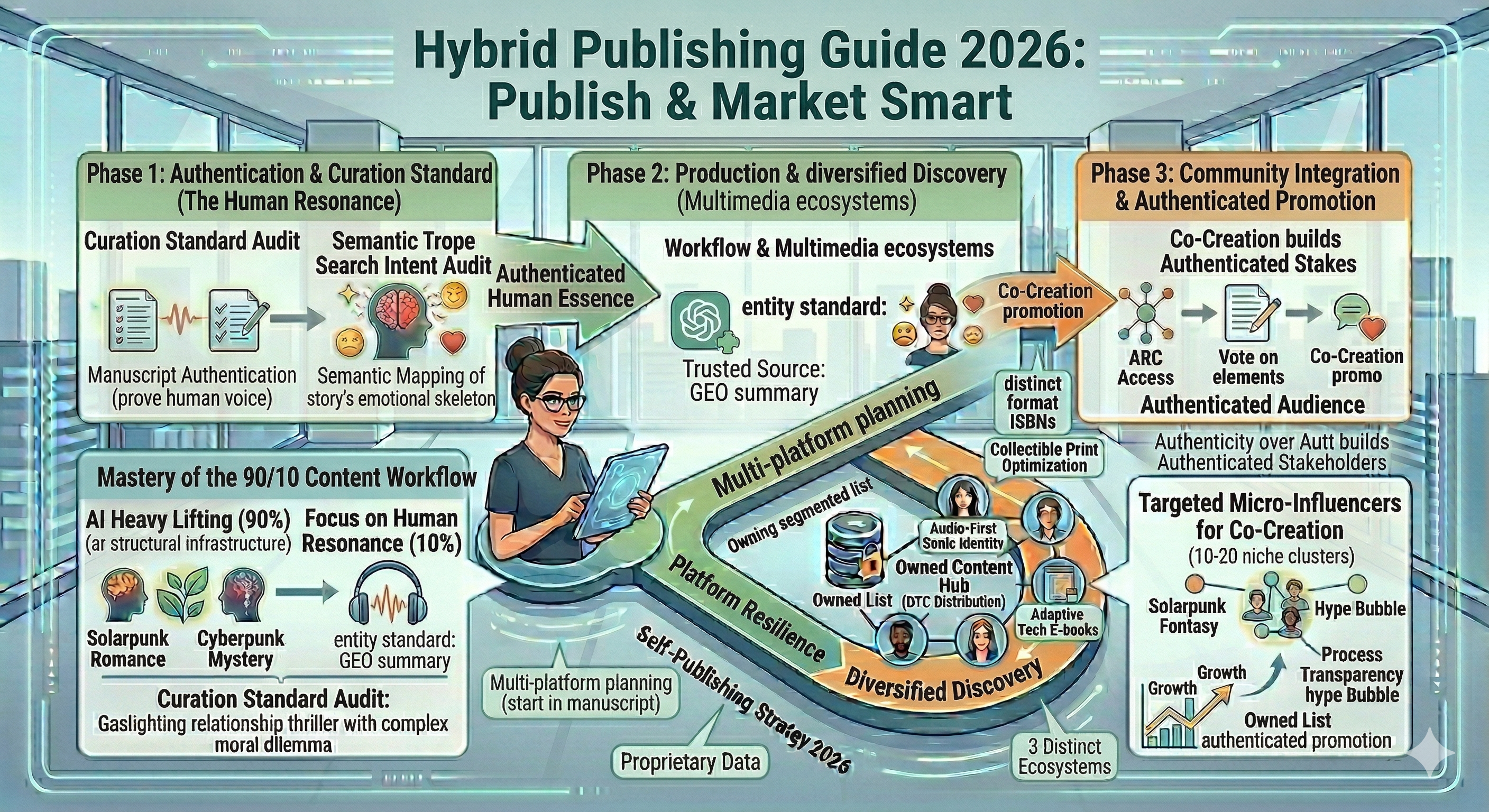
Hybrid Publishing Guide 150: Complete Strategy to Successfully Publish and Market Your Book in 2026
Introduction: The Challenge of Publishing in 2026
Publishing a book today is easier than ever—but succeeding with it is harder than ever.
Traditional publishing is selective and slow. Self-publishing gives control but demands time, skills, and marketing effort. Many authors get stuck between these two options, unsure which path will actually work.
This is where the Hybrid Publishing Guide 2026 comes in.
Hybrid publishing combines the best of both worlds—professional support with author control. It offers a practical, scalable way to publish and market your book without sacrificing quality or ownership.
In this guide, you’ll learn exactly how hybrid publishing works and how to use it to launch your book successfully in 2026.
What Is Hybrid Publishing?
Hybrid publishing is a model where authors invest in professional publishing services while keeping creative control and higher royalties.
Unlike traditional publishing:
- You don’t wait months for approval
- You don’t give up rights completely
Unlike self-publishing:
- You don’t do everything alone
- You get expert-level production and support
Key Features of Hybrid Publishing
- Author retains rights
- Faster publishing timelines
- Professional editing and design
- Distribution support
- Marketing guidance
In short, it’s a structured, supported version of self-publishing.
Step-by-Step Hybrid Publishing Strategy for 2026
Step 1: Define Your Publishing Goals
Before you start, be clear about your purpose.
Ask yourself:
- Do you want income or authority?
- Are you targeting a niche audience or mass market?
- Is this your first book or part of a series?
Your answers will guide:
- Pricing
- Marketing strategy
- Distribution choices
Clarity at this stage prevents costly mistakes later.
Step 2: Prepare a High-Quality Manuscript
Hybrid publishing does not mean skipping quality.
You still need:
- Strong structure
- Clear writing
- Engaging content
Before submission:
- Edit your draft thoroughly
- Get feedback from beta readers
- Fix obvious errors
A better manuscript reduces editing costs and improves final results.
Step 3: Choose the Right Hybrid Publisher
Not all hybrid publishers are equal.
Look for:
- Transparent pricing
- Clear service packages
- Strong portfolio
- Real distribution channels
Evaluate Based On:
- Editing quality
- Cover design standards
- Print and eBook options
- Marketing services offered
Avoid companies that:
- Promise unrealistic sales
- Hide fees
- Offer vague services
Choose a partner, not just a service provider.
Step 4: Professional Editing and Design
This is where hybrid publishing adds real value.
Editing Includes:
- Developmental editing (structure and flow)
- Copyediting (grammar and clarity)
- Proofreading (final polish)
Design Includes:
- Cover design (critical for sales)
- Interior formatting (print and digital)
A professionally designed book:
- Builds trust
- Improves readability
- Increases conversion rates
Step 5: ISBN, Copyright, and Legal Setup
Every book needs proper identification and protection.
Key elements:
- ISBN registration
- Copyright ownership
- Metadata setup
Metadata includes:
- Title
- Keywords
- Categories
- Description
Good metadata improves discoverability on platforms.
Step 6: Multi-Platform Distribution
Hybrid publishers help you distribute your book widely.
Common platforms:
- Online bookstores
- Print-on-demand services
- Global distribution networks
Distribution Strategy:
- Publish both eBook and paperback
- Optimize pricing for each format
- Choose relevant categories
Wide distribution ensures:
- More visibility
- Higher sales potential
Step 7: Build a Strong Pre-Launch Strategy
Marketing starts before your book is published.
Pre-Launch Activities:
- Build an email list
- Create social media presence
- Share behind-the-scenes content
- Collect early reviews
This builds anticipation and ensures:
- Immediate traction at launch
- Better algorithm ranking
Step 8: Launch Your Book Effectively
A strong launch can define your book’s success.
Launch Plan:
- Announce release across platforms
- Run limited-time promotions
- Engage your audience directly
Focus on:
- First-week sales
- Reviews
- Visibility
This helps your book gain momentum quickly.
Step 9: Post-Launch Marketing Strategy
Publishing is just the beginning.
Ongoing Marketing:
- Content marketing (blogs, videos)
- Social media engagement
- Email campaigns
- Paid advertising
Also consider:
- Speaking opportunities
- Collaborations
- Guest appearances
Consistency is key to long-term success.
Benefits of Hybrid Publishing in 2026
1. Full Creative Control
You decide:
- Title
- Cover
- Content
- Pricing
This flexibility allows you to align your book with your vision.
2. Faster Time to Market
Traditional publishing can take 12–24 months.
Hybrid publishing:
- Cuts timelines significantly
- Allows you to publish within months
Speed is critical in today’s fast-moving market.
3. Higher Royalties
You earn more per sale compared to traditional models.
This makes hybrid publishing:
- More profitable in the long run
- Better for serious authors
4. Professional Quality
You get:
- Expert editing
- High-quality design
- Market-ready production
This improves your credibility as an author.
5. Scalable Growth
Hybrid publishing works well for:
- First-time authors
- Entrepreneurs
- Series writers
You can scale your publishing strategy over time.
Best Practices for Hybrid Publishing Success
Focus on Your Target Audience
Know who your book is for.
Define:
- Age group
- Interests
- Problems your book solves
Targeted books perform better than general ones.
Invest in Cover Design
Your cover is your first impression.
A strong cover:
- Attracts attention
- Builds trust
- Increases clicks
Never compromise on this.
Optimize Your Book Listing
Your book page should include:
- Compelling title
- Keyword-rich description
- Relevant categories
This improves discoverability and conversions.
Collect and Use Reviews
Reviews influence buying decisions.
Encourage:
- Early readers
- Email subscribers
- Launch audience
More reviews = more trust.
Stay Consistent with Marketing
Marketing is not a one-time effort.
Maintain:
- Regular content posting
- Audience engagement
- Promotional campaigns
Consistency builds long-term success.
Common Mistakes to Avoid
Choosing the Wrong Publisher
Many authors rush this step.
Avoid:
- Low-quality services
- Hidden costs
- Lack of transparency
Always research before committing.
Ignoring Marketing
Even the best book won’t sell without visibility.
Do not rely only on:
- The publisher
- Organic discovery
You must actively promote your book.
Overpricing Your Book
Pricing affects sales.
Too high:
- Reduces conversions
Too low:
- Reduces perceived value
Find a balanced pricing strategy.
Skipping Editing
Poor editing leads to:
- Bad reviews
- Low credibility
Never publish without professional editing.
Expecting Instant Success
Publishing is a long-term game.
Success requires:
- Patience
- Consistency
- Continuous improvement
Why Choose a Professional Hybrid Publishing Company?
Working with professionals simplifies the entire process.
What You Get:
- End-to-end publishing support
- Industry expertise
- Time savings
- Better results
Key Advantages:
- Structured workflow
- Proven strategies
- Access to tools and networks
Instead of learning everything from scratch, you leverage experience.
This allows you to focus on:
- Writing
- Building your brand
- Engaging your audience