Hybrid Publishing Guide 165: Complete Strategy to Successfully Publish and Market Your Book in 2026
Introduction: The Challenge and the Smart Solution
Publishing a book today is easier than ever—but also more confusing. Authors often struggle to choose between traditional publishing and self-publishing. Each option has its pros and cons, and making the wrong choice can cost time, money, and momentum.
This is where a hybrid publishing guide becomes essential.
Hybrid publishing combines the best of both worlds. It offers professional support like traditional publishing while giving authors more control, like self-publishing. In 2026, this model is growing fast because it aligns with modern author needs—speed, ownership, and quality.
In this guide, you’ll learn a complete, step-by-step strategy to publish and market your book successfully using hybrid publishing.
What Is Hybrid Publishing?
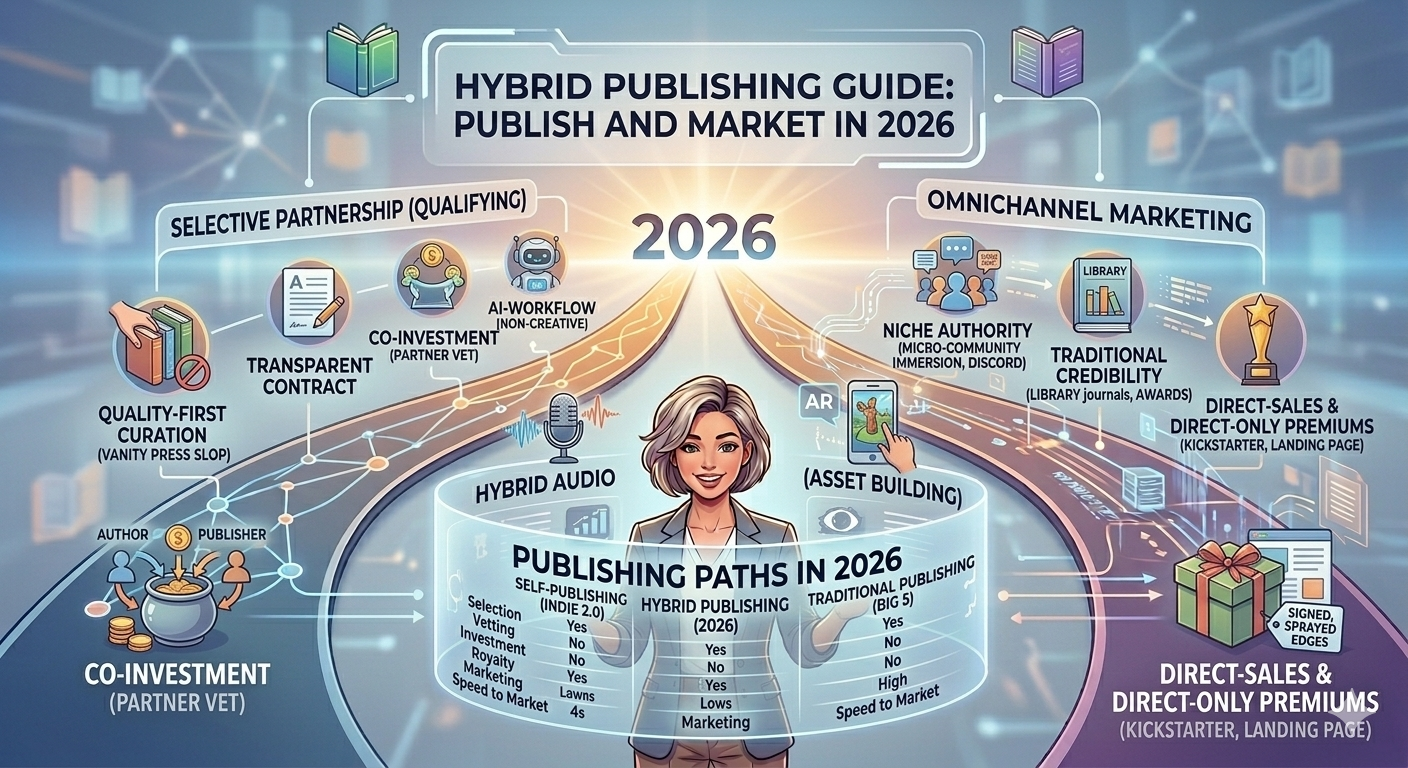
Hybrid publishing is a model where authors invest in publishing services while working with a professional company. In return, they receive high-quality production, distribution support, and higher royalties.
Unlike traditional publishing:
- You don’t need approval from a publisher
- You retain more creative control
- You earn a larger share of profits
Unlike self-publishing:
- You get expert editing, design, and marketing
- You avoid technical and strategic mistakes
- Your book looks professional from day one
Step-by-Step Hybrid Publishing Strategy for 2026
Step 1: Define Your Book Goals
Before you publish, be clear about your purpose.
Ask yourself:
- Do you want to build a personal brand?
- Are you aiming for passive income?
- Is this book for authority in your field?
Your goal will shape everything—from pricing to marketing strategy.
Step 2: Prepare a High-Quality Manuscript
Content quality is non-negotiable.
Focus on:
- Clear structure and flow
- Simple and engaging language
- Strong opening and conclusion
Then move to professional editing:
- Developmental editing (big picture)
- Copyediting (grammar and clarity)
- Proofreading (final polish)
A hybrid publishing company usually offers all these services.
Step 3: Invest in Professional Book Design
Readers judge your book by its cover and layout.
Key elements:
- Eye-catching cover design
- Clean typography
- Proper spacing and formatting
Your interior layout should match industry standards for both print and eBooks.
Step 4: Choose the Right Hybrid Publishing Partner
Not all hybrid publishers are equal. Choose carefully.
Look for:
- Transparent pricing
- Clear service packages
- Strong portfolio of published books
- Distribution support (Amazon, bookstores)
Avoid companies that:
- Promise unrealistic sales
- Lack clear contracts
- Hide royalty structures
Step 5: Format for Multiple Platforms
In 2026, multi-format publishing is essential.
Your book should be available in:
- Paperback
- Hardcover
- eBook
- Audiobook (optional but powerful)
Each format increases reach and revenue potential.
Step 6: Set a Smart Pricing Strategy
Pricing affects both sales and perception.
Tips:
- Research similar books in your niche
- Avoid pricing too high for new authors
- Use promotional pricing during launch
Hybrid publishers often guide pricing based on market data.
Step 7: Build a Pre-Launch Marketing Plan
Marketing should start before your book is published.
Key actions:
- Create an author website
- Build an email list
- Share content on social media
- Offer free chapters or previews
A strong pre-launch builds anticipation and early sales.
Step 8: Launch Your Book Strategically
A successful launch creates momentum.
Focus on:
- Coordinated release across platforms
- Early reviews from readers
- Social media campaigns
- Email announcements
Consider:
- Launch discounts
- Limited-time offers
- Influencer collaborations
Step 9: Continue Post-Launch Marketing
Publishing is just the beginning.
Long-term strategies:
- Run ads (Amazon, social media)
- Attend events or webinars
- Use content marketing (blogs, videos)
- Collect and showcase reviews
Consistency is key to sustained sales.
Benefits of Hybrid Publishing
1. Full Creative Control
You decide:
- Book title
- Cover design
- Content direction
This ensures your vision stays intact.
2. Faster Publishing Timeline
Traditional publishing can take years.
Hybrid publishing:
- Cuts time to months
- Speeds up editing and production
- Gets your book to market quickly
3. Higher Royalties
You earn more per sale compared to traditional publishing.
This makes hybrid publishing a strong long-term investment.
4. Professional Quality
You get access to:
- Skilled editors
- Experienced designers
- Marketing experts
Your book competes at a professional level.
5. Better Market Reach
Hybrid publishers often provide:
- Global distribution
- Online platform access
- Retail availability
This expands your audience significantly.
Best Practices for Hybrid Publishing Success
Focus on Your Audience
Write for a specific group, not everyone.
Understand:
- Their problems
- Their interests
- Their reading habits
Build Your Author Brand
Your book is part of a bigger picture.
Develop:
- A consistent online presence
- A clear message
- A recognizable style
Invest in Marketing Early
Don’t wait until launch day.
Start marketing while writing your book.
Collect Reviews Quickly
Reviews build trust and improve visibility.
Encourage:
- Early readers
- Beta readers
- Loyal followers
Track Performance
Monitor:
- Sales data
- Reader feedback
- Marketing results
Adjust your strategy based on what works.
Common Mistakes to Avoid
Choosing the Wrong Publisher
Many authors rush this decision.
Avoid:
- Companies with vague services
- Hidden fees
- Poor communication
Skipping Professional Editing
Even great writers need editors.
Poor editing leads to:
- Bad reviews
- Low credibility
- Reduced sales
Ignoring Marketing
Publishing alone does not sell books.
Without marketing:
- Your book stays invisible
- Sales remain low
Overpricing Your Book
High prices can discourage readers.
Balance value with affordability.
Expecting Instant Success
Book success takes time.
Stay consistent with:
- Promotion
- Content creation
- Audience engagement
Why Choose a Professional Hybrid Publishing Company
Working with a professional company saves time and reduces risk.
Expertise and Guidance
You get step-by-step support from experienced professionals.
High-Quality Production
Your book meets industry standards in:
- Writing
- Design
- Formatting
Efficient Process
Professionals streamline:
- Editing
- Design
- Publishing
This avoids delays and mistakes.
Marketing Support
Many companies offer:
- Launch strategies
- Promotional campaigns
- Branding assistance
Long-Term Growth
A good publishing partner helps you:
- Build your author career
- Plan future books
- Expand your reach