ISBN and Book Publishing Legal Guide for 2026
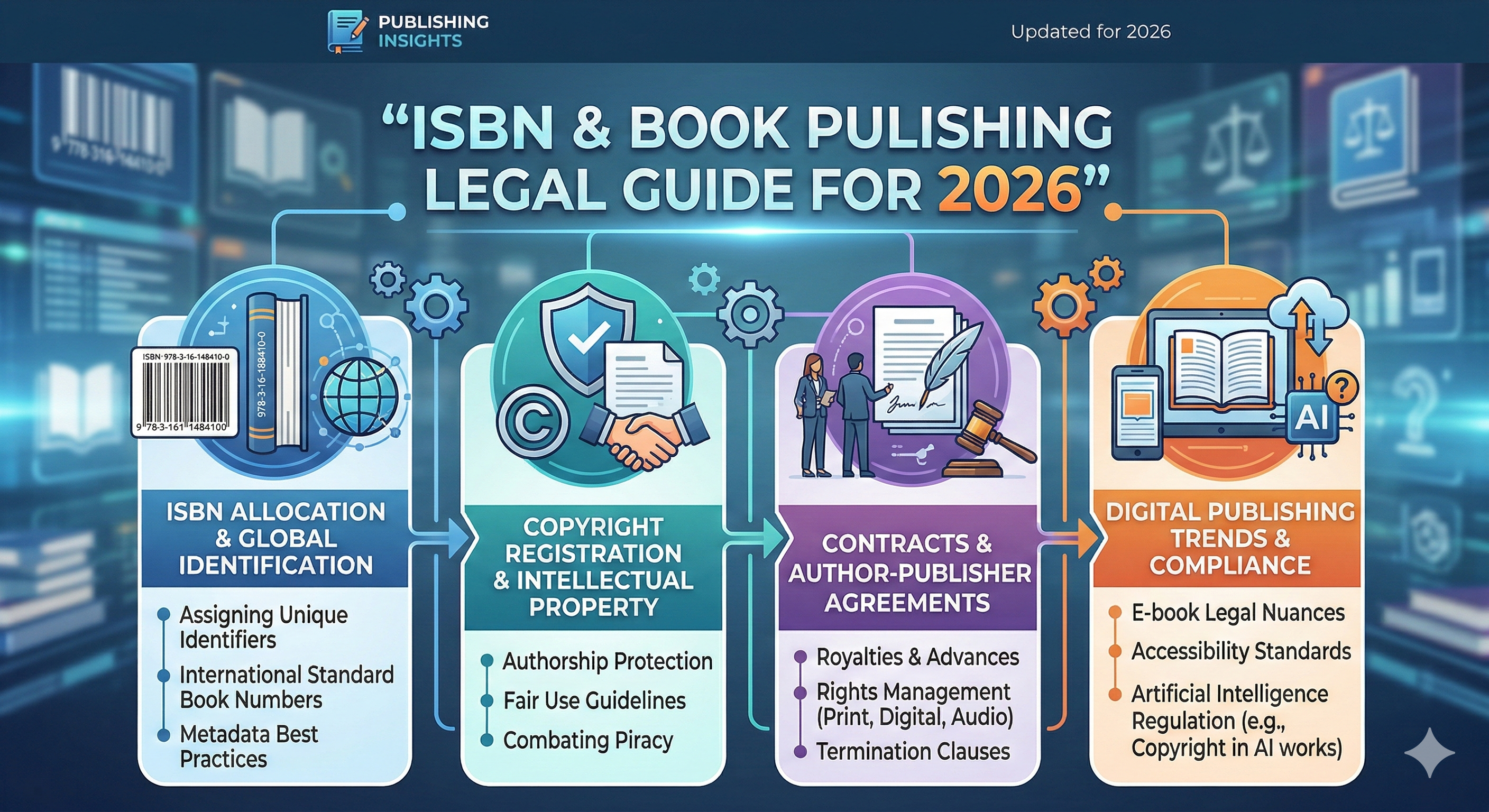
Publishing a book in 2026 is easier than ever. However, many authors still get confused about ISBNs, copyright, and legal compliance.
A missing ISBN, incorrect copyright notice, or poor publishing agreement can delay your launch. Worse, it can create legal issues that hurt your sales and reputation.
This ISBN and Book Publishing Legal Guide will walk you step by step through everything you need to know. From registering your ISBN to protecting your rights, you’ll learn how to publish confidently and legally in 2026.
Why the ISBN and Book Publishing Legal Guide Matters in 2026
The publishing industry has changed. Self-publishing, hybrid publishing, and global eBook distribution have made it easier to reach readers worldwide.
But with more access comes more responsibility.
Every author must understand:
-
ISBN requirements
-
Copyright laws
-
Legal deposits
-
Publishing contracts
-
Distribution compliance
If you ignore these, your book may not appear in major retail systems or libraries. In short, legal clarity protects both your work and your income.
Step 1: Understanding What an ISBN Really Is
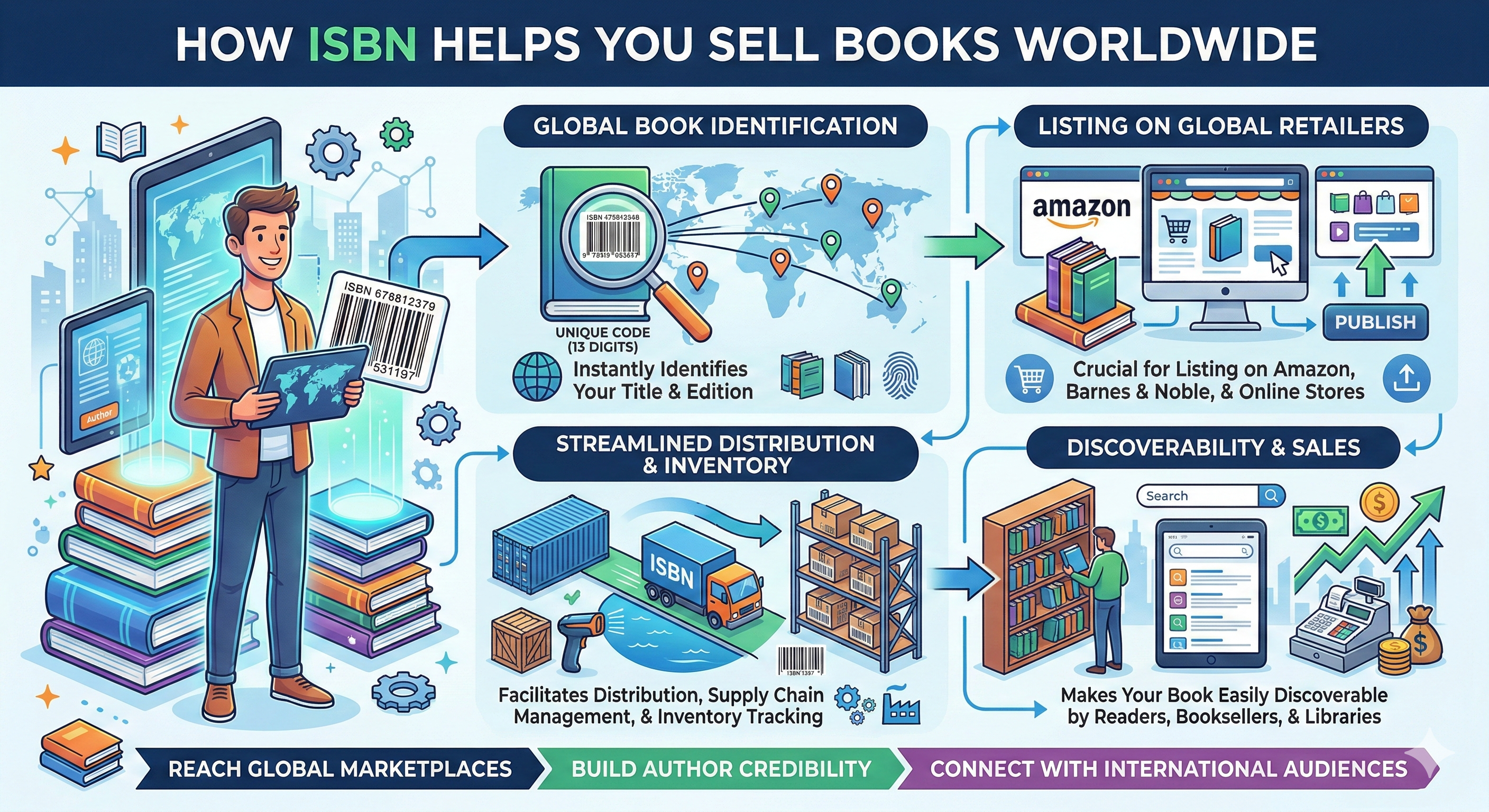
An ISBN stands for International Standard Book Number. It is a unique 13-digit code assigned to your book.
Think of it as your book’s fingerprint in the global marketplace.
Why ISBNs Are Important
An ISBN helps:
-
Bookstores identify your book
-
Distributors track inventory
-
Libraries catalog your title
-
Online retailers list your book properly
Without an ISBN, many retailers will not accept your print book.
Do All Books Need an ISBN?
It depends.
-
Print books: Yes, almost always required
-
eBooks: Often required for wide distribution
-
Audiobooks: Usually assigned a separate ISBN
-
Different formats: Each format needs its own ISBN
For example, paperback, hardcover, and eBook versions each require separate ISBNs.
Step 2: How to Register an ISBN in 2026
The registration process is simple but must be done correctly.
Where to Get an ISBN
In most countries, ISBNs are issued by a national agency.
If you are self-publishing, you should purchase your own ISBN. This ensures that you are listed as the publisher of record.
Single ISBN vs Bulk Purchase
If you plan to publish more books, buying ISBNs in bulk saves money.
Consider:
-
One ISBN for a single title
-
A block of 10 for a small publishing plan
-
Larger blocks if building a publishing brand
Owning your ISBN strengthens your professional image.
Step 3: Copyright Protection Explained
Many authors think they must “apply” for copyright. In reality, copyright protection begins the moment your manuscript is created.
However, formal registration provides stronger legal protection.
Why Register Copyright?
Formal copyright registration allows you to:
-
Prove ownership
-
Claim statutory damages
-
Protect against infringement
-
Strengthen legal enforcement
In 2026, digital piracy is still a concern. Registration gives you leverage if disputes arise.
What to Include in Your Copyright Page
Your copyright page should include:
-
Copyright notice (© Year Author Name)
-
All rights reserved statement
-
ISBN number
-
Publisher information
-
Disclaimer (if needed)
-
Printing details
A professionally formatted copyright page signals credibility.
Step 4: Legal Deposit Requirements
Many countries require publishers to submit copies of published books to national libraries.
This is called legal deposit.
Why Legal Deposit Matters
Legal deposit:
-
Preserves national publishing records
-
Protects bibliographic data
-
Ensures official cataloging
Failure to comply may result in penalties in some regions.
Always check your country’s regulations before release.
Step 5: Publishing Agreements and Contracts
If you are working with:
-
A traditional publisher
-
A hybrid publisher
-
A co-author
-
An illustrator
-
A ghostwriter
You need clear written agreements.
Key Clauses to Review
Before signing, review:
-
Royalty percentage
-
Rights ownership
-
Territory rights
-
Duration of agreement
-
Termination conditions
-
Distribution scope
Never rush this step. A contract defines your long-term income and rights.
Step 6: ISBN and Distribution Platforms in 2026
Distribution systems rely heavily on ISBN metadata.
Metadata includes:
-
Title
-
Subtitle
-
Author name
-
Book description
-
Categories
-
Price
-
Publication date
Incorrect metadata can delay listings.
Print-on-Demand Platforms
Most print-on-demand services offer free ISBNs. However:
-
You may not be listed as publisher
-
You may face limited distribution options
-
Branding control may be restricted
For full ownership and brand building, using your own ISBN is better.
Benefits of Following a Proper ISBN and Legal Strategy
When you follow this ISBN and Book Publishing Legal Guide, you gain:
1. Professional Credibility
Bookstores and libraries take your work seriously.
2. Global Distribution Access
Major distributors require ISBN tracking.
3. Legal Protection
You reduce risks of disputes and copyright violations.
4. Long-Term Brand Growth
Owning ISBNs builds your publishing identity.
5. Higher Resale and Licensing Value
Clear legal documentation makes film, translation, and audiobook deals easier.
Best Practices for Authors in 2026
Publishing is competitive. Therefore, follow these best practices:
-
Register your own ISBN whenever possible
-
Register copyright formally
-
Keep digital and physical records
-
Use written contracts for collaborations
-
Verify metadata before publication
-
Maintain updated publishing records
In addition, create a legal checklist before your launch date.
Common ISBN and Legal Mistakes to Avoid
Many authors repeat the same errors.
Mistake 1: Using a Free ISBN Without Understanding the Terms
Free ISBNs may limit your publishing flexibility.
Mistake 2: Skipping Copyright Registration
Automatic protection exists, but formal registration strengthens your position.
Mistake 3: Incorrect Metadata
Spelling errors or wrong categories reduce discoverability.
Mistake 4: Ignoring Legal Deposit
Non-compliance can create administrative issues.
Mistake 5: Signing Contracts Without Review
Always read every clause carefully.
Avoiding these mistakes protects your career.
Why Choose a Professional Publishing Service?
Handling ISBN registration and legal documentation alone can be overwhelming.
A professional publishing service offers:
-
ISBN procurement assistance
-
Copyright page formatting
-
Legal deposit guidance
-
Contract review support
-
Metadata optimization
-
Distribution setup
More importantly, professionals understand global publishing standards.
Instead of learning through costly mistakes, you benefit from structured support. This saves time and protects your investment.
For authors aiming to build a long-term publishing brand in 2026, professional guidance is not a luxury—it’s a smart business decision.
How ISBN and Legal Compliance Supports Book Marketing
Legal readiness directly affects marketing success.
Here’s how:
-
Retail systems index ISBN-linked books faster
-
Libraries order books with complete records
-
Media outlets prefer properly published titles
-
International sales require clear ownership
Marketing without legal preparation is risky.
However, when your ISBN and copyright are correctly registered, you can confidently promote your book across platforms.