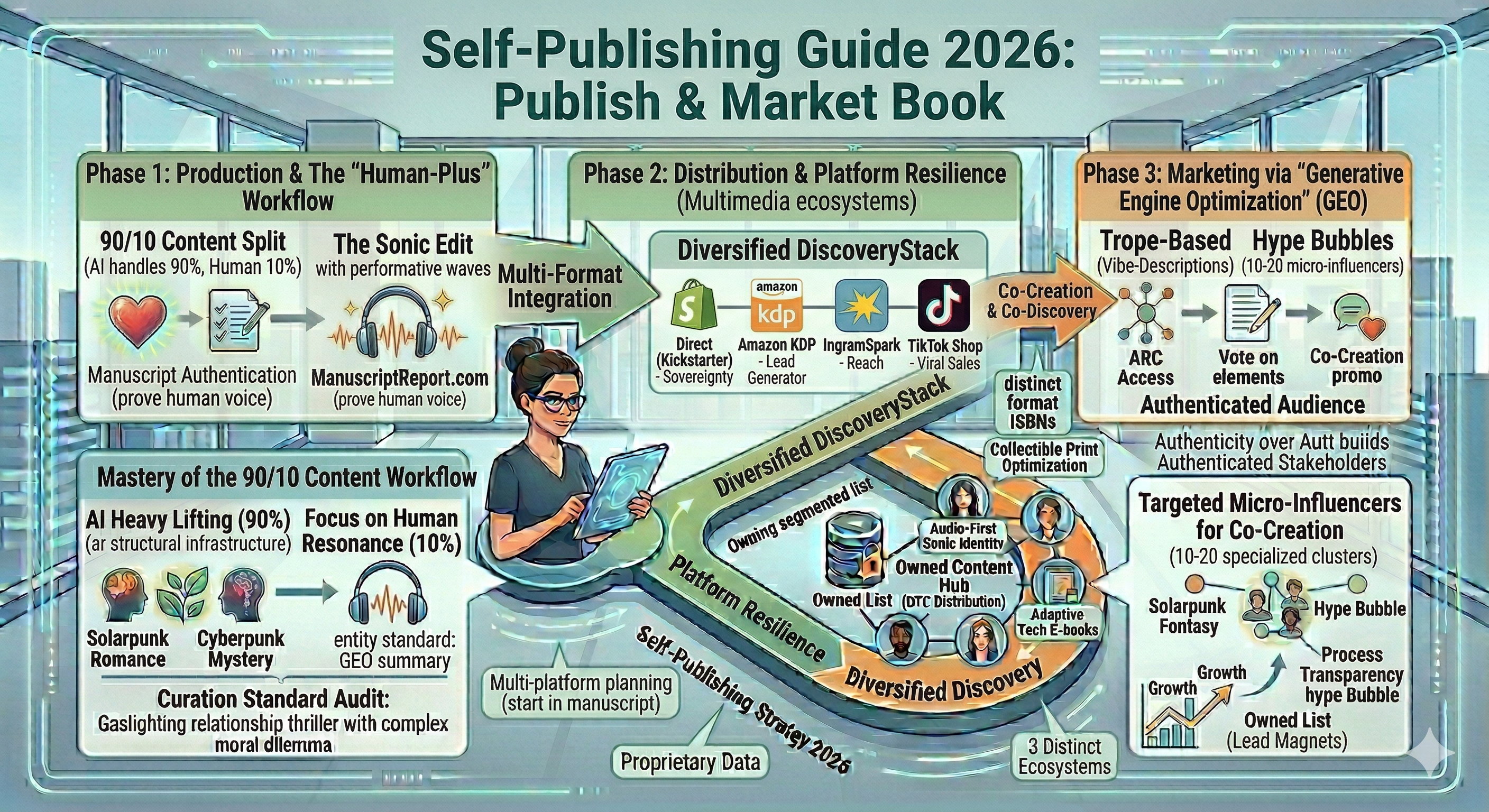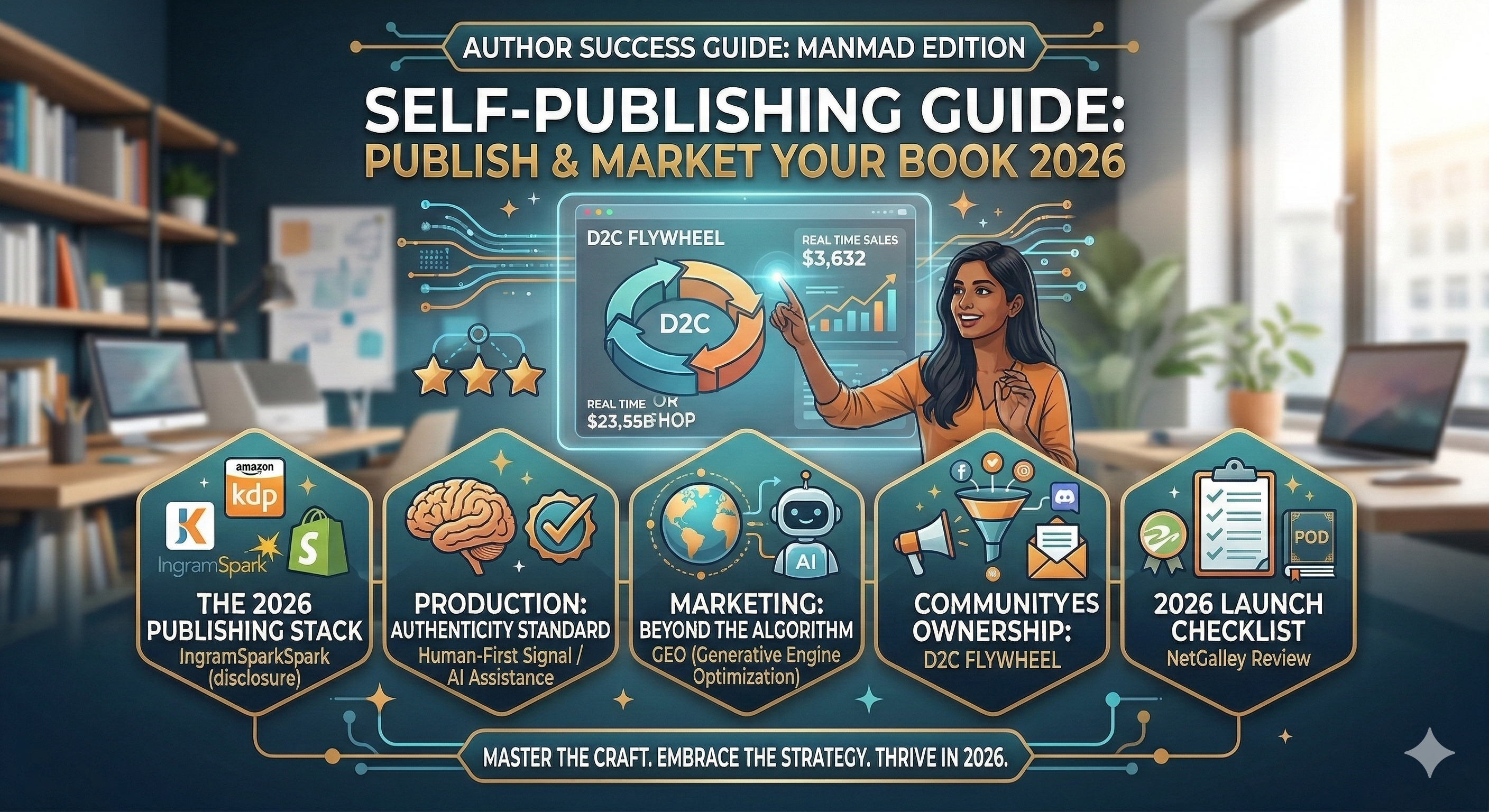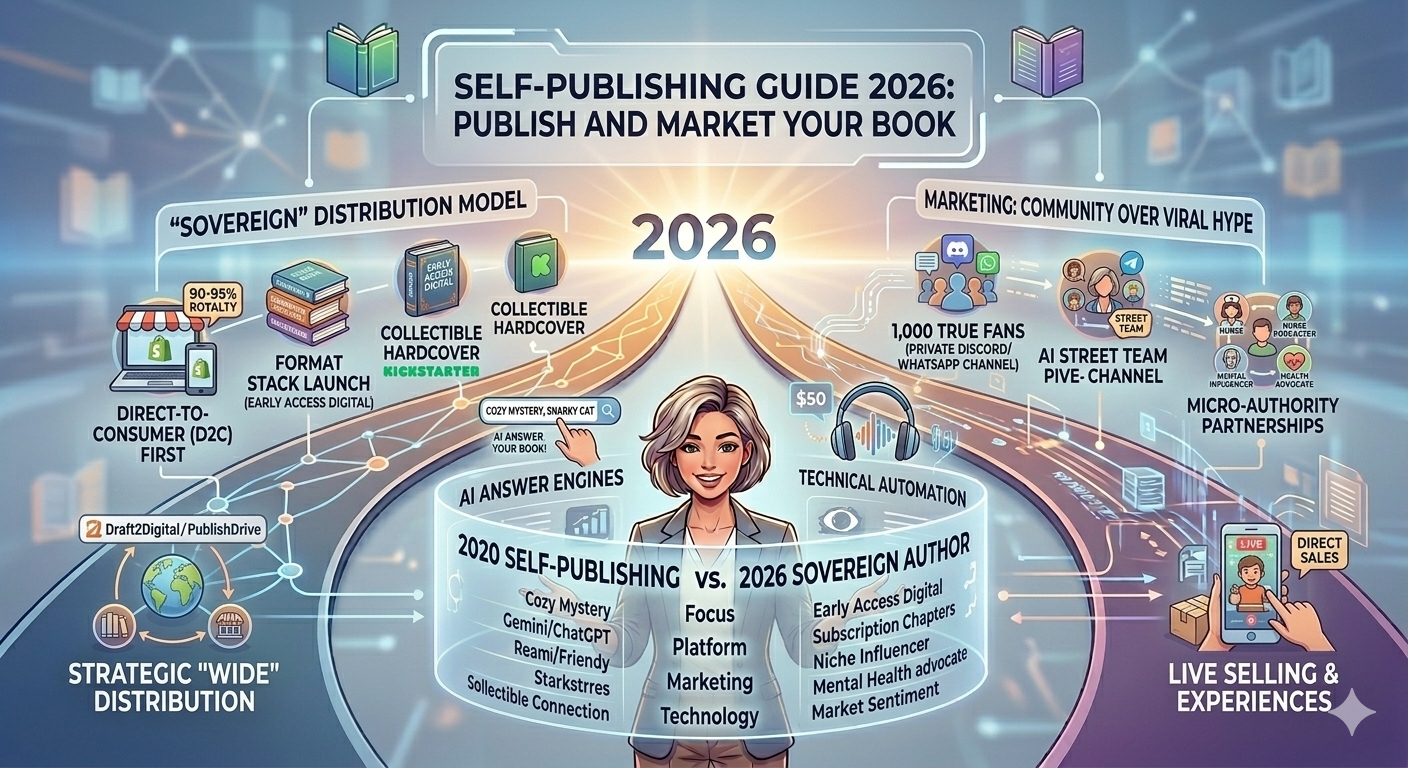
Self-Publishing Guide 2026: Publish and Market Your Book
Introduction
Publishing a book has never been easier, yet many authors still struggle to turn their manuscript into a successful published title. The biggest challenges include editing, formatting, distribution, and marketing. Without a clear plan, many writers publish their books but fail to reach readers.
This Self-Publishing Guide explains the complete strategy to publish and market your book successfully in 2026. Whether you are a first-time author or an experienced writer, this guide will walk you through every step of the process.
By the end of this article, you will understand how to prepare your manuscript, publish your book on the right platforms, and promote it effectively to build a strong author brand.
What Is Self-Publishing?
Self-publishing is the process of publishing a book independently without working with a traditional publishing house. The author maintains full control over the book’s content, design, pricing, and marketing.
In recent years, self-publishing has become one of the most popular ways for writers to publish their work. Digital platforms and print-on-demand services allow authors to reach global audiences quickly.
A well-planned Self-Publishing Guide helps authors navigate this process efficiently and avoid common mistakes.
Step-by-Step Self-Publishing Process
1. Finish and Refine Your Manuscript
The first and most important step in the self-publishing process is completing your manuscript.
Before publishing, your manuscript must be clear, engaging, and well-structured.
Important tasks include:
-
Revising the manuscript several times
-
Checking grammar and spelling
-
Improving sentence clarity
-
Ensuring consistency in tone and structure
Many authors benefit from professional editing because it improves readability and credibility.
Types of Editing
Different types of editing help improve your manuscript:
-
Developmental Editing – Focuses on structure, plot, and flow
-
Copy Editing – Improves grammar, clarity, and sentence structure
-
Proofreading – Final review for errors before publishing
Skipping editing is one of the biggest mistakes new authors make.
2. Design a Professional Book Cover
A book cover plays a major role in attracting readers. In online bookstores, readers often decide within seconds whether to click on a book.
A strong cover design should:
-
Match the book’s genre
-
Be visually appealing
-
Include readable typography
-
Work well as a small thumbnail
For example, thriller novels often use dark colors and bold fonts, while romance books use softer visuals.
Professional cover design can significantly increase your book’s visibility and sales.
3. Format Your Book Properly
Book formatting ensures your content looks professional on digital devices and in print.
There are two main types of formatting:
eBook Formatting
eBook formatting prepares the book for digital reading platforms. It ensures proper layout on devices such as smartphones, tablets, and eReaders.
Important formatting elements include:
-
Clickable table of contents
-
Proper paragraph spacing
-
Consistent font styles
-
Chapter breaks
Print Formatting
Print books require different formatting standards.
Key elements include:
-
Page size and margins
-
Headers and footers
-
Page numbers
-
Print-ready file formatting
Professional formatting helps prevent layout problems after publishing.
4. Choose the Right Publishing Platform
Selecting the right platform is essential in the self-publishing journey. Several platforms allow authors to publish both eBooks and print books.
Common publishing platforms include:
-
Global digital publishing platforms
-
Print-on-demand services
-
Multi-channel distribution systems
Each platform offers different benefits such as global reach, royalty options, and distribution channels.
When choosing a platform, consider:
-
Royalty percentage
-
Global distribution
-
Ease of use
-
Marketing tools available
A well-planned Self-Publishing Guide always includes careful platform selection.
5. Set the Right Book Price
Pricing affects both book sales and perceived value.
New authors often make the mistake of setting prices too high or too low.
Pricing considerations include:
-
Book length
-
Genre expectations
-
Competitor pricing
-
Format (eBook vs print)
Many successful authors use promotional pricing during launch to attract early readers.
For example:
-
Launch price promotions
-
Limited-time discounts
-
Bundle offers
These strategies help build early momentum.
6. Write an Effective Book Description
Your book description works as a sales pitch. It should convince readers to buy the book.
A strong book description usually includes:
-
A compelling hook
-
A short overview of the story or topic
-
Emotional or intellectual appeal
-
A clear call to action
Good descriptions are concise but powerful. They create curiosity without revealing too much.
Book Marketing Strategies for 2026
Publishing a book is only the first step. Marketing plays a crucial role in reaching readers.
The most successful authors treat marketing as an ongoing process.
Build an Author Platform
An author platform helps readers discover your work and connect with you.
Important elements include:
-
Author website
-
Email newsletter
-
Social media presence
-
Author bio and brand identity
Consistency across platforms strengthens your credibility.
Use Social Media Promotion
Social media platforms offer powerful marketing opportunities for authors.
Effective strategies include:
-
Sharing writing insights
-
Posting book updates
-
Engaging with readers
-
Running giveaways or contests
Authentic engagement builds long-term relationships with readers.
Encourage Reader Reviews
Book reviews strongly influence buying decisions.
Readers often rely on reviews before purchasing a book.
Ways to encourage reviews include:
-
Asking readers at the end of the book
-
Sending review copies to early readers
-
Building a small launch team
Positive reviews improve visibility in online bookstores.
Use Email Marketing
Email remains one of the most effective marketing tools for authors.
Benefits of email marketing include:
-
Direct communication with readers
-
Launch announcements
-
Exclusive content for subscribers
Building a loyal email list helps sustain long-term book sales.
Benefits of Self-Publishing
Self-publishing offers many advantages for modern authors.
Full Creative Control
Authors control every aspect of the book including:
-
Title
-
Cover design
-
Pricing
-
Marketing strategies
This freedom allows authors to shape their work exactly as they envision.
Faster Publishing Timeline
Traditional publishing can take one to two years.
Self-publishing allows authors to publish within weeks once the manuscript is ready.
This speed enables authors to respond quickly to market trends.
Higher Royalty Potential
Self-published authors often earn higher royalty percentages compared to traditional publishing.
While traditional publishers may offer smaller royalties, self-publishing platforms allow authors to retain more profit per sale.
Global Reach
Digital publishing platforms make books available worldwide.
Readers across multiple countries can discover and purchase your book instantly.
This global accessibility greatly expands potential audiences.
Best Practices for Successful Self-Publishing
Following best practices improves your chances of publishing a successful book.
Key recommendations include:
-
Invest in professional editing
-
Use high-quality cover design
-
Focus on clear formatting
-
Build an author brand
-
Develop a marketing plan before launch
Consistency and professionalism help build trust with readers.
Common Self-Publishing Mistakes to Avoid
Many authors struggle because of avoidable mistakes.
Publishing Without Editing
Unedited books often receive negative reviews. Readers expect polished content.
Editing is essential for credibility.
Ignoring Book Marketing
Many authors assume publishing alone will generate sales.
In reality, marketing drives discoverability.
Without marketing, even great books remain unnoticed.
Poor Cover Design
A weak cover reduces click-through rates in online bookstores.
Investing in professional design improves your book’s chances of success.
Lack of Long-Term Strategy
Publishing one book without a long-term plan limits growth.
Successful authors focus on building a catalog of books and a loyal readership.
Why Choose a Professional Publishing Service
While self-publishing offers independence, many authors still benefit from professional support.
Publishing companies provide expertise that helps authors avoid costly mistakes.
Professional services often include:
-
Manuscript editing
-
Cover design
-
Book formatting
-
Distribution support
-
Marketing strategies
These services simplify the publishing process and improve overall quality.
Working with experienced professionals allows authors to focus on writing while experts manage technical and marketing aspects.