Writing Tips for Authors Guide 134: Complete Strategy to Successfully Publish and Market Your Book in 2026
Writing a book is one of the most rewarding creative journeys. However, many aspiring authors struggle with turning their ideas into a polished manuscript that readers want to buy.
The truth is that great ideas alone are not enough. Authors must also understand writing techniques, editing practices, publishing strategies, and book marketing methods.
That is why following proven writing tips for authors can make a huge difference. With the right strategy, you can write a compelling book, publish it professionally, and successfully market it in today's competitive publishing industry.
This complete guide will walk you through the most effective writing strategies, practical techniques, and publishing tips to help you succeed as an author in 2026.
Understanding the Modern Publishing Landscape
Before starting your writing journey, it is important to understand how the publishing industry works today.
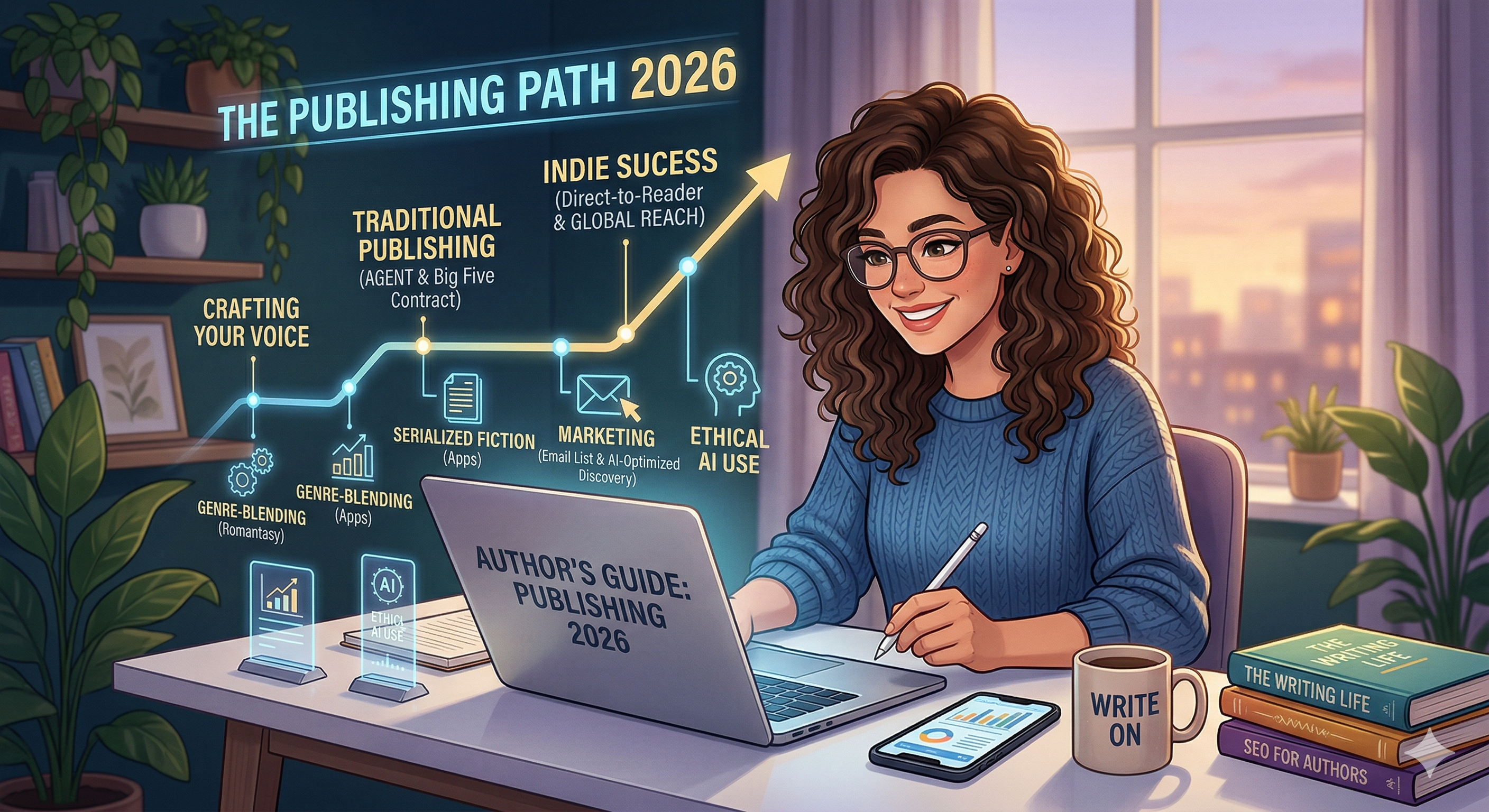
Publishing has changed significantly in the last decade. Authors now have multiple options to publish their work, including:
-
Traditional publishing
-
Self-publishing
-
Hybrid publishing
Each option has its advantages, but the key to success remains the same: a well-written book that connects with readers.
This is why mastering the right writing tips for authors is the foundation of your publishing success.
Step-by-Step Writing Strategy for Authors
Writing a book can feel overwhelming. Breaking the process into clear steps makes it manageable and productive.
Step 1: Define Your Book Idea
Every successful book starts with a strong idea.
Ask yourself these questions:
-
What problem does my book solve?
-
Who is my target reader?
-
What makes my book unique?
Once you answer these questions, you can shape your book around a clear purpose and audience.
Tips for developing your book idea
-
Identify a specific niche
-
Research popular topics in your genre
-
Focus on a unique perspective
-
Solve a reader problem
A clear idea gives direction to your entire writing process.
Step 2: Create a Strong Book Outline
One of the most important writing tips for authors is to create an outline before writing.
An outline acts as a roadmap for your book. It keeps your ideas organized and prevents writer’s block.
Basic outline structure
-
Introduction
-
Key chapters covering the main topic
-
Supporting examples or stories
-
Conclusion and final message
Benefits of outlining include:
-
Faster writing process
-
Better story structure
-
Clear chapter flow
-
Reduced rewriting later
Many successful authors spend significant time planning their outline before writing the first draft.
Step 3: Build a Consistent Writing Routine
Writing a book requires discipline and consistency.
Instead of waiting for inspiration, create a daily writing habit.
Effective writing routine strategies
-
Set a daily word count goal
-
Write at the same time each day
-
Eliminate distractions
-
Use writing sprints
Even writing 500–1000 words per day can help you complete a full manuscript within a few months.
Consistency is often more important than motivation.
Step 4: Focus on Clear and Engaging Writing
Readers prefer books that are easy to understand and enjoyable to read.
One of the best writing tips for authors is to write in a clear and conversational tone.
Improve readability by:
-
Using short paragraphs
-
Avoiding complicated words
-
Writing active sentences
-
Using examples and stories
Clear writing improves reader engagement and increases the chances that readers finish your book.
Step 5: Write the First Draft Without Perfection
Many authors struggle because they try to write perfectly from the beginning.
This slows down progress and creates frustration.
Instead, focus on completing your first draft.
First draft mindset
-
Write freely
-
Ignore small mistakes
-
Focus on ideas
-
Keep moving forward
Editing comes later. Your first goal is simply to finish the manuscript.
Editing and Improving Your Manuscript
Writing the first draft is only the beginning. Editing is where your book truly becomes professional.
Strong editing transforms a rough manuscript into a polished and publishable book.
Self-editing techniques for authors
Start by reviewing your manuscript yourself.
Look for:
-
Grammar and spelling errors
-
Repetitive phrases
-
Unclear sentences
-
Weak sections
Reading your manuscript aloud can help identify awkward writing.
Structural editing
Structural editing focuses on the bigger picture of your book.
Check whether:
-
Chapters flow logically
-
Ideas are well organized
-
The book maintains reader interest
-
The message is clear
Rearranging chapters or rewriting sections can significantly improve the book.
Proofreading
Proofreading is the final stage before publishing.
It ensures that your book is free from small errors such as:
-
Typos
-
Punctuation mistakes
-
Formatting issues
A polished manuscript increases reader trust and credibility.
Benefits of Following Professional Writing Strategies
Using proven writing tips for authors offers several important advantages.
Higher quality manuscripts
Following structured writing techniques improves clarity, organization, and storytelling.
Readers are more likely to enjoy and recommend a well-written book.
Faster writing process
Clear strategies reduce confusion and writer's block.
Authors who plan and follow a system usually complete books much faster.
Better publishing opportunities
Agents, publishers, and readers look for professionally written books.
A strong manuscript improves your chances of getting published and gaining recognition.
Increased book sales
Quality writing leads to better reader reviews, which directly influences book sales.
Satisfied readers often recommend books to others, increasing visibility.
Best Practices for Authors in 2026
The publishing industry continues to evolve, and authors must adapt to modern trends.
Here are some important best practices for authors today.
Understand your target audience
Successful books speak directly to a specific group of readers.
Research your audience by exploring:
-
Popular books in your genre
-
Reader reviews
-
Online book communities
Understanding reader expectations helps you write content that resonates.
Focus on storytelling
Even nonfiction books benefit from storytelling.
Stories help readers:
-
Connect emotionally
-
Remember information
-
Stay engaged longer
Adding examples, personal experiences, and real-life scenarios can make your book much more compelling.
Write with marketing in mind
Modern authors should think about marketing early in the writing process.
Consider:
-
Keywords readers search for
-
Clear book titles
-
Strong book descriptions
-
Shareable ideas
Writing with discoverability in mind can improve your book's success after publication.
Common Writing Mistakes Authors Should Avoid
Many authors unknowingly make mistakes that weaken their manuscripts.
Avoiding these problems can significantly improve your book.
Lack of clear structure
Books without a clear structure confuse readers.
Always create an outline and organize chapters logically.
Overly complicated writing
Using complex language does not make writing better.
Simple and clear writing is more effective and accessible.
Skipping editing
Publishing a book without proper editing damages credibility.
Readers quickly notice grammar mistakes and poor formatting.
Ignoring reader feedback
Beta readers and early reviewers provide valuable insights.
Listening to feedback helps improve your manuscript before publishing.
Trying to do everything alone
Writing, editing, design, publishing, and marketing all require different skills.
Many authors struggle because they attempt to manage everything themselves.
Professional support can significantly improve results.
Why Authors Choose Professional Publishing Services
Publishing a book successfully requires more than writing.
Professional publishing services help authors transform their manuscript into a market-ready book.
Professional editing
Editors improve clarity, grammar, and structure.
This ensures your book meets professional publishing standards.
Book formatting and design
Formatting and layout influence the reading experience.
Professionally designed books look more credible and appealing to readers.
Cover design expertise
Book covers play a major role in attracting readers.
A professional cover can dramatically increase click-through rates and sales.
Marketing and distribution
Publishing companies help authors reach wider audiences through marketing strategies and distribution channels.
This includes:
-
Online bookstores
-
Print distribution
-
Promotional campaigns
Working with experts allows authors to focus on writing while professionals handle the technical and marketing aspects.